Stunning Discovery of Tutankhamun's Tomb 100 Years Later
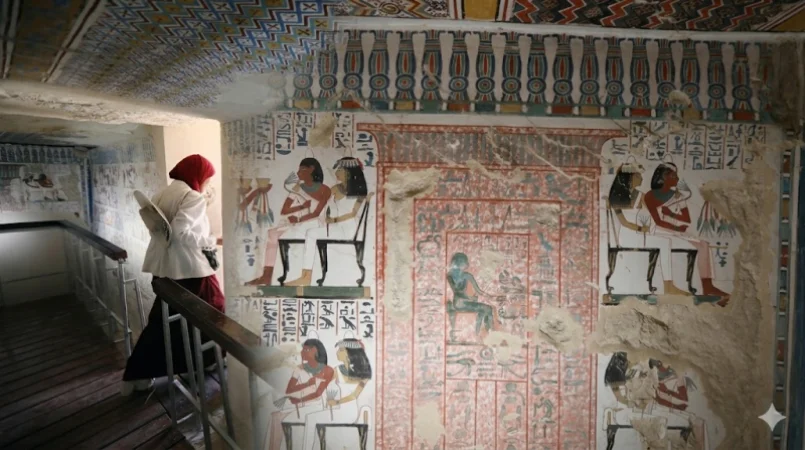
Egyptian authorities have unveiled the plaster cover of Tutankhamun's tomb in Luxor, as reported by Reuters. Among the discoveries presented to the public for the first time are two restored ancient tombs located on the western bank of the city, dating back to the New Kingdom period of ancient Thebes.
The frescoes on the walls of Tutankhamun's tomb depict scenes of daily life and funeral rituals. According to Abdelgafar Vagdi, the director of antiquities in Luxor, this new find is a unique artifact, as most pharaonic tombs have been looted. "Therefore, this is a unique artifact, the only one currently on public display more than 100 years after the discovery of Tutankhamun's tomb," he stated during the exhibition's opening in Luxor.
A section of the plaster wall panel presented to the public was used to protect the entrance of the pharaoh's tomb. It features images reflecting burial rituals and symbols of the pharaoh’s authority. Vagdi stated that seals belonging to Tutankhamun as well as the tomb's guards, whose role was to protect the tomb from looting, were discovered on the wall.
The original plaster covering of Tutankhamun's tomb is considered one of the most significant elements of the pharaoh's burial site. It was first discovered by British archaeologist Howard Carter in 1922. The tomb contained well-preserved household items, jewelry, and other objects intended to accompany the pharaoh into the afterlife.
In 2015, two additional tombs were discovered and presented to the public. These tombs date back to the reigns of pharaohs Thutmose III and Thutmose IV. The interior decorations depict scenes of agriculture, harvest, crafts, baking, pottery, and winemaking.
Նմանատիպ հոդվածներ



Ավելին Society բաժնից
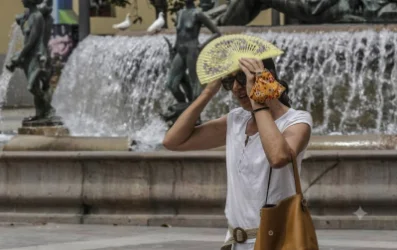
Անոմալ շոգ Իսպանիայում. Բարսելոնան ջերմաստիճանի բոլոր ժամանակների ռեկորդ է սահմանել

2-ամյա երեխան բակում խաղալիս է եղել, երբ գայլը հարձակվել է. նոր մանրամասներ

Մեկի վիճակը ծանր է. մանրամասներ գայլերի հարձակումից տուժածների մասին