Episode of 'Cheremukha' Use in March 1 Case to be Sent to Court, Chief Prosecutor
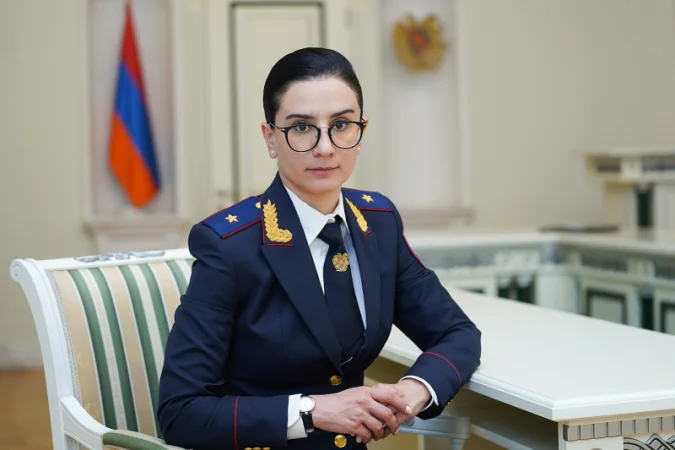
During a discussion at the National Assembly's Standing Committee on State and Legal Issues regarding the Prosecutor General's report on activities for 2025, Chief Prosecutor Anna Vardapetyan announced that an episode concerning the application of the 'Cheremukha' will be sent to court. She made this statement in response to a question from MP Anush Kloyan.
The MP inquired about the investigation process regarding the application of lethal force by the state, referring to the European Court of Human Rights (ECHR) ruling in the case of 'Farmanian v. Armenia'. Vardapetyan pointed out that the decisions of the European Court are mandatory and have served as the basis for new charges and for sending cases to court.
The ECHR noted that the protests in Liberty Square were peaceful until the police actions on the morning of March 1, 2008, which serve as the basis for charges under Article 309 of the Criminal Code. 'The European Court has clearly stated that the rallies held at Liberty Square were peaceful, without any signs of incitement to violence or violent actions until the early morning police actions of March 1, 2008,' Vardapetyan stressed, adding that this circumstance underlies the charges brought under Article 309 of the Criminal Code.
According to the Chief Prosecutor, the events of March 1 should be seen as a series of actions resulting from a chain of events. 'The murder of 10 individuals cannot be separated; it is a consequence of actions that began on the morning of March 1, which involved not just the police, but also the armed forces,' she stated.
She explained that based on precedent-setting decisions from the European Court and the Court of Cassation of Armenia, a legal approach has been formed concerning the transition of governmental authority accompanied by violence, which is considered torture or conduct equated with torture, and does not prescribe a statute of limitations.
Vardapetyan revealed that several cases involving high-ranking police officials have already been sent to court and are currently undergoing examination. Similar logic is being applied to the episodes involving Valery Osipyan and Robert Melkonyan, while former high-ranking police officer Hovhannes Tamamyan has been charged with an episode of torture.
'In the near future, the episode related to the use of 'Cheremukha' will also be sent to court. The European Court makes an important note that the use of such measures without proper preparation and established procedures results in consequences for which not only the direct perpetrators but also those who allowed for its use are responsible,' the Chief Prosecutor noted.
She also added that the cases sent to court will continue to be supplemented with new charges, including those against high-ranking officials of the Ministry of Defense who, according to investigatory data, were involved in the process of using armed forces.
It is worth recalling that mass protests began in Armenia following the presidential elections on February 19, 2008. The protests were led by Armenia's first president, Levon Ter-Petrosyan, who and his supporters disagreed with the election results that declared Serzh Sargsyan as president. Protesters set up tents in Liberty Square in Yerevan and carried out marches and protests in various parts of the capital. On March 1, 2008, mass riots and clashes occurred between protesters and police, resulting in the deaths of 10 individuals, including 2 police officers.
Նմանատիպ հոդվածներ

Ավելին Politics բաժնից
Դոնալդ Թրամփը հրամայել է իջեցնել ԱՄՆ դրոշները
Ռուսաստանը սահմանափակել է երկաթուղային հաղորդակցությունը Ֆինլանդիայի հետ
Իրանը մեկ ժամ անց խախտել է ձեռք բերված պայմանավորվածությունը. Թրամփ