The Date of the Total Lunar Eclipse Announced
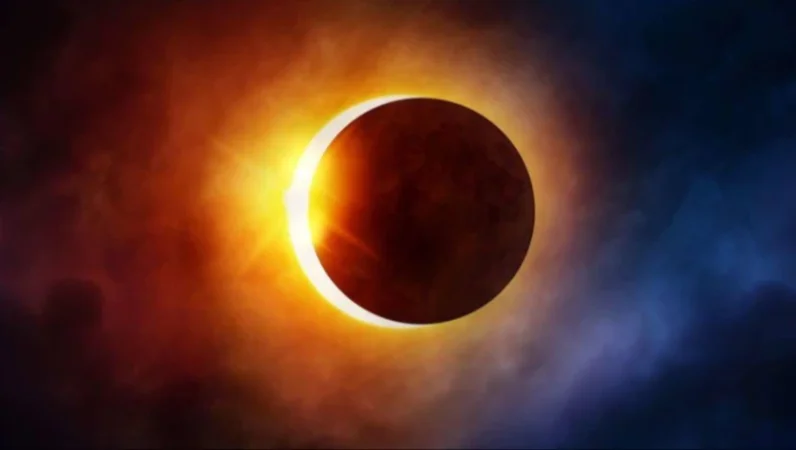
On March 3, the first total lunar eclipse of the year will occur, during which the moon will remain in the Earth's shadow for about an hour and will take on a reddish-copper hue. This information was provided by the press service of Perm Polytechnic University, referring to the institution's astronomy expert, Evgeny Burmistrov.
A total lunar eclipse occurs when the Earth is positioned between the Sun and the Moon, casting its shadow towards the natural satellite. In the case of a partial eclipse, only a portion of the lunar disc is covered by the shadow, while in the total phase, the Moon is entirely within the shadow and changes color. The eclipse progresses through several phases: initially, the Moon enters the penumbral shadow zone, then the partial phase begins, and at the maximum point, it becomes completely dark.
The maximum phase will last for 58 minutes, from 14:04 to 15:03 Moscow time. The total duration will be approximately five and a half hours. The reddish hue is due to sunlight passing through the Earth's atmosphere, scattering blue wavelengths and primarily allowing red spectrum to reach the Moon.
The eclipse will be fully visible in several regions of the Far East of Russia. In the European part of the Earth, including Moscow and St. Petersburg, it will not be observable, as the Moon will be below the horizon during the maximum phase. Observing the lunar eclipse is safe and does not require special protective measures.
Նմանատիպ հոդվածներ




Ավելին Society բաժնից

Արփինե Հովհաննիսյանը թվարկել է 2021-2026 թթ․ ընդդիմության գործունեության արդյունքները

Կառավարությունը «Seaside Startup Summit Armenia 2026»-ի համար հատկացրել է 200 մլն դրամ

ԱՄՆ մեկնել ցանկացողների համար․ հրապարակվել է ներգաղթային վիզայի նոր ուղեցույցը