From Violations to Health Data: Comprehensive Information Will Be Accessible to Police

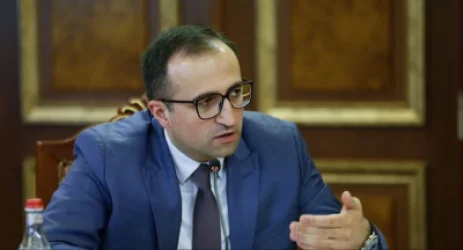
During a discussion of the Ministry of Internal Affairs' operational report for 2025, the digitalization program for Criminal and Community Police functionalities was presented among other issues. Prime Minister Nikol Pashinyan inquired about the digitalization process for Community and Criminal Police.
Minister of Internal Affairs Arpine Sargsyan noted that police officers currently handle numerous papers, notebooks, and documents containing individuals' names and surnames. According to her, it is possible to have complete data regarding a person, but during incidents occurring in real-time, the individual is not recognized with full detail.
“We may have complete data related to a person, but when a situation arises in real-time, we do not recognize that person in all their details. Whether the person is registered for issues regarding mental health, whether they have problems related to alcoholism, or whether they are even in our line of sight, do they have administrative violations or other offenses. The Community Police will be able to have all this information integrated into its system. From our perspective, this will be the main framework, because it will be supplemented by information from the Patrol Service, and thereafter, the Criminal and Community Police will need to understand what additional work needs to be done with individuals,” the minister stated.
The Prime Minister remarked that thus a general platform will be formed where police bodies will have their access frameworks. According to Arpine Sargsyan, it is positive, from an inter-agency perspective, that the most complex platform—the digitalization process of the Community Police—is completely ready, which will also have the capability to utilize artificial intelligence.
She noted that the development of the Criminal Police component is also underway to enhance the efficiency of criminal police officers, adding that the Patrol Police component is fully digitalized.
During the discussion, the increased role of the educational component was also emphasized, along with upcoming programs for the expansion of the Ministry of Internal Affairs' educational complex and approaches to managing human resources. Participants also addressed hybrid threats and the role of the Ministry of Internal Affairs, with the importance of public communication being highlighted.
Նմանատիպ հոդվածներ



Ավելին Society բաժնից

Ծառուկյանն այլևս պատգամավորության թեկնածու չէ․ ԿԸՀ-ն վերադարձրել է նրա վերաբերյալ միջնորդությունը

Meta-ն թույլ է տվել արհեստական բանականությանը առանց ծանուցման օգտագործել Instagram-ի լուսանկարները
Հուսով ենք՝ Հայաստանը կունենա իր նավթազտարանը. Իրանի դեսպան