Changes to the List of Diseases Determining Military Service Eligibility
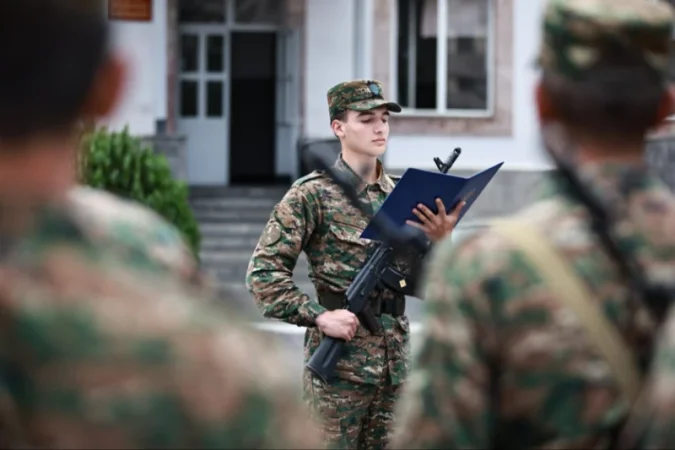
The government has revised the list of diseases determining military service eligibility in a bid to eliminate undue deferrals granted on the basis of minor health issues. The corresponding decision has been approved at a government meeting.
The project is based on the approach that pathological conditions lacking clinical manifestations, do not result in functional impairments, and do not require medical intervention should not hinder military service. This approach is supported by advanced international practices, including standards applied in the armed forces of NATO member countries, Israel, and Austria, as well as guidelines from international professional associations.
The changes are projected to result in a significant increase in the number of conscripts in several areas. Specifically, favorable cases of thyroid dysfunction, small heart anomalies found during random screenings, as well as non-aggressive hemangiomas of the spine and certain hereditary blood factors—heterozygous types of thalassemia—will no longer be grounds for exemption from service or for receiving deferrals.
For these conditions, service with limitations or under special regimes is anticipated since they do not require treatment and do not disrupt the body's vital functions. The proposal also establishes a stricter approach towards high-risk pathologies. For the first time, the list explicitly includes cerebral and spinal venous angiomas, as well as large cysts of the brain that are considered dangerous even in the absence of clinical symptoms due to their potential for compressing brain tissue or causing structural disruptions.
Նմանատիպ հոդվածներ
Armenia's Ministry of Foreign Affairs on the Launch of the 'Trump Road' Construction
Avinyan on Expected Surprises on New Year's Eve and the Metro Station Project
Lists of Services and Medications Published; Updated ARMED App Available, Minister Says
Will a man wear shorts or ride a bike? A man must be lazing around in the village for at least 6 hours – Pashinyan
Ավելին Politics բաժնից

ԵՄ երկրները համաձայնել են բանակցություններ սկսել Ուկրաինայի և Մոլդովայի հետ
ԱՄՆ-ի և Իրանի միջև խաղաղության փաստաթղթի տեքստը համաձայնեցվել է
ՍԿԱՆԴԱԼԱՅԻՆ ՁԱՅՆԱԳՐՈՒԹՅՈՒՆ․ Հլա լսի հմի դու Գագոյի թիմո՞ւմ ես