Serzh Sargsyan Issues Statement

The third President of Armenia, Serzh Sargsyan, addressed the government of Armenia's publication of documents related to the negotiation process of the Nagorno-Karabakh issue.
“The official comment titled ‘What does the Nagorno-Karabakh negotiation package reveal?’ announces the publication of documents related to the Nagorno-Karabakh negotiation process by the Armenian government on December 2, 2025. This is nothing more than a simplistic and futile attempt to shift responsibility for the disastrous consequences of the failed policies pursued by the authorities on the Nagorno-Karabakh issue since May 2018 onto others.
A very simple question arises: if, according to the current Armenian authorities' claims, the negotiation process and the proposals from the co-chairs only provided advantages to Baku, then why did the Azerbaijani side refuse all these proposals from at least 2008 until 2018, criticize the co-chairs, and even call for the dissolution of the group?
Azerbaijan, unlike Armenia, rejected the five statements made by the presidents of the co-chair countries—Russia, the USA, and France—regarding Nagorno-Karabakh that were made in L'Aquila, Muscat, Los Cabos, and Eniskillen. Azerbaijan also rejected the statements adopted by the OSCE Foreign Ministers during the years 2008-2017 and the declaration made during the 2010 OSCE summit in Astana, or later taken back from the initial agreement.
Azerbaijan turned down the agreements reached in St. Petersburg (June 17, 2010), Astrakhan (October 27, 2010), Sochi (March 3, 2011), Kazan (June 24, 2011), Sochi (January 23, 2012), Vienna (May 16, 2016), St. Petersburg (June 20, 2016), and Geneva (October 16, 2017). By placing itself in a deadlock in the negotiation process, Azerbaijan repeatedly threatened to withdraw from it until 2018 but did not proceed with this step, fearing an open conflict with the co-chair countries—Russia, the USA, and France—which have a mandate for mediation in conflict resolution and fearing open confrontation with the entire international community.
Moreover, with multiple violations of the ceasefire, Azerbaijan consistently provoked Yerevan to abandon the negotiations so that they could place the blame for the failure of the peace process on Armenia. However, Azerbaijan did not succeed in this endeavor. Furthermore, the positions of Armenia and the OSCE Minsk Group co-chairs became almost aligned, as was publicly announced multiple times.
By refusing almost all proposals and initiatives from the co-chair countries or constantly retreating from already reached agreements, Azerbaijan practically opposed not only Armenia but also the international community regarding approaches to conflict resolution. After the change of power in Armenia in the spring of 2018, it became clear that there was a need to continue efforts to preserve, consolidate, and further improve everything developed during the years of negotiations concerning a peaceful settlement. It was also evident that retreating from this could have unpredictable consequences. The co-chairs of the OSCE Minsk Group shared this view. However, the new Armenian authorities, after May 2018, declared that they had decided to start negotiations ‘from their point,’ essentially abandoning the results of years of negotiation work, while being unable to even explain to the co-chairs where this ‘point’ was.
If Armenia's position was previously confirmed to be consistent with the approaches of the OSCE Minsk Group co-chairs, then Yerevan became seen as the unconstructive party in the negotiation process in the eyes of the international community. Moreover, when the new rulers in Armenia, ‘considering themselves insane,’ began to doubt whether the conflict could be resolved through negotiations, Baku received what it had long failed to achieve—the opportunity to accuse Armenia of abandoning negotiations as a casus belli for unleashing war.
Was it possible to prevent the war? Probably yes, if there had been a readiness to respond adequately and if there had been support and understanding from allies and the international community, which would have taken decisive measures to immediately cease military operations. We witnessed such an escalation in April 2016 when Azerbaijan launched aggressive actions against Nagorno-Karabakh after failing in the diplomatic field, attempting to impose its positions through force in the negotiation process, but those attempts failed.
However, due to the diplomatic, political, and military mistakes of Pashinyan and his team, Armenia found itself in a very tragic situation in 2020, leading to a devastating military defeat, with thousands of casualties and the loss of Artsakh. The claims that during the negotiation process, Russia and the other co-chair countries allegedly offered Azerbaijan to return the seven regions surrounding Nagorno-Karabakh under Armenian control without offering anything regarding the status, security guarantees, or other characteristics are not only inconsistent with reality but also do not withstand any criticism. This has been repeatedly stated by the Minsk Group co-chair countries, and is clearly evidenced by the documents published by the current authorities of Armenia on December 2,” stated Sargsyan.
Նմանատիպ հոդվածներ
Ավելին Politics բաժնից

Թրամփը զրուցել է ԱԲ-ով «վերակենդանացված» ԱՄՆ նախկին նախագահի հետ
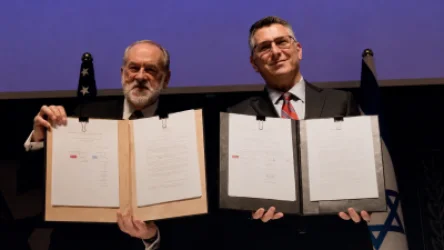
ԱՄՆ-ն ամրապնդում է ներկայությունը Երուսաղեմում․ Իսրայելի հետ նոր համաձայնագիր է ստորագրվել
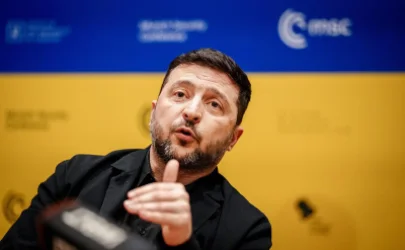
Զելենսկու հայտարարությունը. Ռուսաստանի տնտեսական խնդիրները նվազեցնում են զանգվածային հարվածները