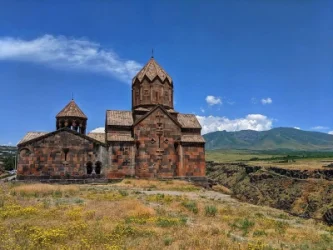
What Does the Nagorno-Karabakh Negotiation Package Reveal?
The Government of Armenia reports: "In accordance with Prime Minister Nikol Pashinyan's announcement, key documents related to the negotiation process on the Nagorno-Karabakh issue have been published (available at https://www.gov.am/am/K-Negotiation-Documents/). Some of these documents, particularly the UN Security Council resolutions from 1992 and 1993, have already been available online.
The published documents were included in the package to reveal the complete logic of the negotiation process. What ultimately can be concluded from the published package? Perhaps it is that for decades, myths have existed around the Nagorno-Karabakh conflict in Armenia, which, without question, were shaped by the political elite that came to power during the Nagorno-Karabakh movement. They formulated these myths to justify their rise and continued stay in power and have developed them to the point that they have become a mindset in Armenia, and any viewpoint outside of that has developed into a political taboo, a form of treason.
Subsequently, this taboo has been used for political reproduction, and with each reproduction, the taboo has hardened further, presented to society as an absolute truth. If this were a matter of domestic and internal Armenian relations, it might be understandable. But the question is that the Nagorno-Karabakh conflict was an international problem, even if we set aside the regional context.
Furthermore, the international perception of the issue has not only been contrary to the notions of the Nagorno-Karabakh movement at the initial stage but has also developed in an opposite direction. During and after the first Nagorno-Karabakh war, the negotiations for the resolution of the conflict have never been about the independence of Nagorno-Karabakh or its unification with Armenia. The main subject of negotiation has been that all seven surrounding regions of Nagorno-Karabakh should be returned to Azerbaijan in a package or phased approach, while the status of Nagorno-Karabakh itself should be negotiated solely under Azerbaijan's territorial integrity and sovereignty.
This understanding of the international community has been clearly recorded in the following excerpt from the 1996 OSCE Lisbon Summit Chair's statement: 'The legal status of Nagorno-Karabakh will be reflected in an agreement based on self-determination, granting it the highest degree of self-governance within Azerbaijan.' This formulation indicates that even the concept of 'self-determination' has been mythicized because, from the perspective of the international community, the right to self-determination for Nagorno-Karabakh meant 'self-governance' within Azerbaijan. Not autonomy but self-governance. This is an important distinction.
The simultaneous presence of the principle of territorial integrity and the right to self-determination at the negotiation table meant that there could be no definition of Nagorno-Karabakh's status without the consent of Azerbaijan, as Nagorno-Karabakh is part of Azerbaijan's territorial integrity. This is clearly stated in the UN Security Council resolutions. It is also recorded in the ideas for determining the status of Nagorno-Karabakh through a referendum, as these ideas were formulated in such a way that Azerbaijan would have grounds to assert that not only Azerbaijanis who left Nagorno-Karabakh but all citizens of Azerbaijan should participate in the referendum. In other words, the supposed referendum would take place not in Nagorno-Karabakh but throughout Azerbaijan.
Armenia disagreed with this interpretation, and the fact that the referendum did not take place and the process did not progress indicated that Azerbaijan's stance was decisive, as Nagorno-Karabakh was de jure considered part of Azerbaijan. This was also recorded in the concepts of territory exchange and the overall state framework.
The longer the time stretched, the harder Azerbaijan's positions solidified, with no possibility of returning to relatively more favorable negotiating options. The documents show that after the non-violent, velvet popular revolution of 2018, no other document or proposal was presented at the negotiation table than what existed before it. The document presented by the OSCE Minsk Group co-chairs in 2019 has a date of 2016, and the first sentence of the document shows that it was formulated during the time when the main negotiator was the President of Armenia, not the Prime Minister, meaning the document was created before the 2018 revolution.
The most remarkable of the published documents is perhaps the letter from Armenia’s third president, Serzh Sargsyan, to Russian President Vladimir Putin, which summarizes the situation as of August 5, 2016, regarding the Nagorno-Karabakh negotiations. Several important notes must be made here. First, Sargsyan expresses assessments that indicate a) he had a high likelihood assessment of the resumption of military or wartime activities, b) he recorded that the balance of armaments between Armenia and Azerbaijan was disrupted, c) he emphasized that 'the interim or final status statement by the OSCE Minsk Group co-chairmanship does not provide adequate compensation for the actual transfer of territories,' and d) Azerbaijan does not assume clear obligations regarding the Nagorno-Karabakh referendum and the interim status of Nagorno-Karabakh, supporting this assessment by recording that Azerbaijani President Aliyev constantly refers to Azerbaijan's Constitution as an obstacle to conducting a referendum in Nagorno-Karabakh, as he considers it an internal matter of Azerbaijan.
The letter indicates that Sargsyan's government viewed the anticipated military-political support from Russia as a crucial issue; otherwise, there would be no need for such a letter. The military balance had been disrupted, partly due to Russia's active arming of Azerbaijan. Additionally, despite Armenia’s generally unipolar foreign policy aimed at winning Russia's goodwill regarding the Nagorno-Karabakh issue, approaches had been pushed forward at the negotiation table by Russian Foreign Minister Sergey Lavrov ('Lavrov's plan') that confronted the Armenian authorities and Serzh Sargsyan in 2016.
This is why Sargsyan addresses this letter specifically to Vladimir Putin, not to the leaders of the U.S. or France as the heads of the OSCE Minsk Group co-chair countries. From this letter, we infer that by August 2016, Sargsyan understood that he was in a hopeless situation, and if the Russian approach did not change, war was inevitable, especially given the disrupted military balance which would lead to a predictable outcome.
On one hand, there were uncompromising approaches towards Nagorno-Karabakh, while on the other hand, the absence of the expected military-political support amid the injection of fictitious military-patriotism into society made it impossible to avoid war for nearly two decades. This is why in his famous speech in April 2018 at the National Assembly, Sargsyan admitted that the negotiations surrounding the Nagorno-Karabakh conflict were effectively at a dead end.
Perhaps many have wondered why since May 2018, when Nikol Pashinyan had just assumed power, Sargsyan's entire team embarked on making unclear accusations that Pashinyan had come to 'surrender the territories.' The publication of documents and Sargsyan's letter to Vladimir Putin provides answers to those questions. Sargsyan knew that war was now inevitable, and the outcome of the war was more than predictable. And he needed those statements later for his political comeback.
It is also worth noting another aspect of the alleged interim status of Nagorno-Karabakh and the proposed referendum on determining its status. Both were considered an achievement by the governments of Robert Kocharian and Serzh Sargsyan, while the interim status meant the disintegration of the de facto status and governance established in Nagorno-Karabakh since the 1990s and the re-establishment of a new Armenian-Azerbaijani governance. Meanwhile, the very discussion of the idea of a future referendum signified the delegitimization of the independence referendum that took place on December 10, 1991, in Nagorno-Karabakh. In other words, as a result of the conducted negotiation process, the Nagorno-Karabakh conflict had, substantively, reached the zero point of 1991.
Նմանատիպ հոդվածներ
We Will Defeat All Those Forces: Hakob Arshakyan on Upcoming Elections
Do Not Purchase Even a Bottle of Water from Anna Hakobyan's '88' Supermarkets
Government Releases Documents on Nagorno-Karabakh Conflict Negotiation Process
There is No Key West Package Under the Control of the Armenian Government: Nikol Pashinyan
Ավելին Politics բաժնից
Զելենսկու հայտարարությունը. Ռուսաստանի տնտեսական խնդիրները նվազեցնում են զանգվածային հարվածները

ՏԵՍԱՆՅՈՒԹ. Ի՞նչ են թաքցնում ձեզանից․ հեռախոսների նույնականացման համարների ողջ ճշմարտությունը. Հովհաննիսյան
ԵՄ-ն մինչև 200 մլն եվրո կներդնի Հարավային Կովկասում. ֆոն դեր Լայենի հայտարարությունը