Lung Cancer Remains One of the Most Common Oncological Diseases in Armenia
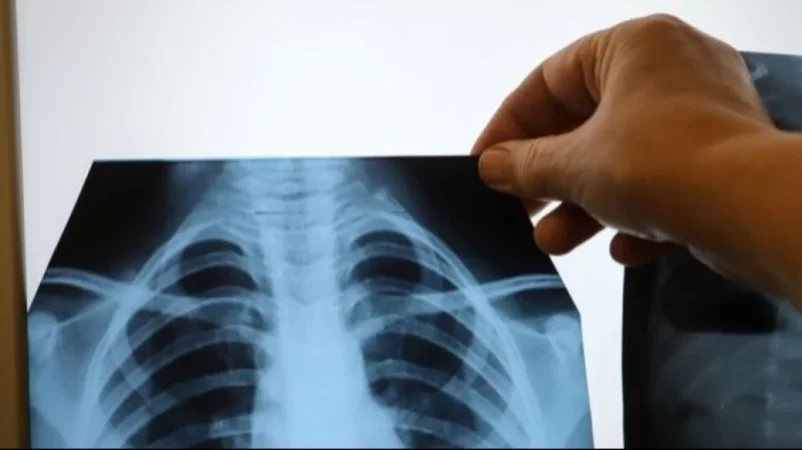
Lung cancer continues to be considered one of the most serious problems in modern healthcare. In numerous countries around the world, November is traditionally dedicated to raising awareness about this disease, as it consistently ranks as the leading cause of cancer-related mortality.
According to the National Research Center for Health Programs at Yerevan State Medical University, the situation in Armenia is particularly concerning. Lung cancer remains one of the most prevalent oncological diseases. Data from 2021 indicates that it accounted for 14.3% of newly recorded cancers.
In 2023, lung, bronchus, and trachea cancers ranked 1st (55.6 per 100,000) and 8th (8.5 per 100,000) for primary incidence rates among men and women, respectively. In the same year, trachea, bronchus, and lung cancers accounted for the highest mortality rates from malignant neoplasms among men (34.4%). Among women, deaths from these cancers represented 8.6% of all cancer-related fatalities.
The prevalence of smoking in the country exacerbates the issue, with 28% of the Armenian population using tobacco and over half of the men being smokers. Tobacco use results in nearly 5,500 deaths annually. Air pollution also plays a significant role, as Armenia ranks among the leaders in global atmospheric pollution levels.
Despite the seriousness of the issue, there is currently no national screening program for lung cancer in the country. More than 80% of cases are diagnosed in the late stages. Access to diagnostic testing is available only on a paid basis, primarily in the capital.
In this context, prevention of the disease becomes a primary concern. Quitting smoking is the most effective way to reduce the risk of developing lung cancer. Even long-term smokers can significantly decrease their likelihood of falling ill after quitting. It is also crucial to minimize the impact of harmful occupational factors, control indoor air quality, maintain a healthy lifestyle, and regularly undergo preventive examinations. Smokers, former smokers, those working in hazardous industries, individuals with chronic respiratory conditions, and those with a family history of lung cancer should pay special attention to their health.
Նմանատիպ հոդվածներ

Yesterday, the enemy opened intensive fire for about 10 minutes towards Khachik village

Official Announcement on the Host Country for Next Year's Junior Eurovision

Incident Between Clergyman and Jehovah's Witnesses in Ararat Continues

Video: Illegal Activities of Aramus Community Leader Revealed; He Submitted Resignation This Morning
Ավելին Society բաժնից

Էգ առյուծի՝ քնեցումից չարթնանալու հանգամանքները կդառնան քննության առարկա․ ՔԿ

Հաստատվեց՝ Գագիկ Ծառուկյանի՝ քնեցված առյուծներից մեկն անկել է

Հայտնաբերվել է 452 ոչ սթափ վարորդ անցած շաբաթվա ընթացքում