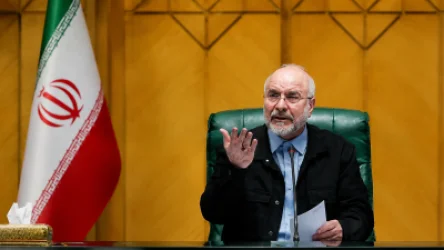
Iran on the Brink of Water Disaster

The Iranian authorities are considering temporarily halting water supply in Tehran during nighttime hours amid a worsening water crisis. According to Ria Novosti, the country's Energy Minister Abbas Aliabadi has stated that residents of the capital need to start collecting water and install storage reservoirs.
According to the minister, the water levels in the major reservoirs supplying the capital have drastically decreased. The Amirkabir reservoir, one of Tehran's five main drinking water sources, has less than two weeks' worth of reserves remaining.
Iranian President Masoud Pezeshkian had previously warned that if it does not rain by the end of November, Tehran could be on the brink of evacuation. He pointed out that the capital's water supply system, which has been in place for over 100 years, is severely worn down, and parts of the piping have been damaged by June attacks from Israel.
According to Sadegh Ziyiyan, head of Iran's National Weather Forecast Center, precipitation in the region has decreased by 95.8% since March, with no rain expected in the next ten days.
Additionally, about 10% of the country's 19 reservoirs are on the verge of complete drying, with their water supplies being less than 5%. Tehran receives 70% of its water from reservoirs, while 30% comes from underground sources; however, water levels in all five main reservoirs are at dangerous levels.
In the last three decades, Iran's renewable freshwater reserves have decreased from 132 billion cubic meters to 90 billion cubic meters, while consumption continues to rise. According to authorities, around half of the urban population in the country is already facing a lack of drinking water.
The crisis is particularly acute in Tehran, Yazd, Isfahan, Khorasan Razavi, and Khuzestan. Rivers such as Zayandeh Rud and Karun have dried up due to drought, and dozens of reservoirs and wetlands are on the brink of destruction.
President Pezeshkian stated that the issue requires a systemic solution involving all relevant agencies and experts, as the crisis is already impacting key sectors of public life in the country.
Նմանատիպ հոդվածներ
Ավելին Politics բաժնից
Նեթանյահուի ուղերձը աշխարհին․ պատերազմը երբեք չի ավարտվում
ԱՄՆ-ն ամբողջությամբ վերացրել Է Իրանի ծովային շրջափակումը

Մոսկվայի համբերությունն անսահման չէ․ ինչ կինի, եթե «կարմիր գծերը» հատվեն․ ՊՆ նախկին փոխնախարար