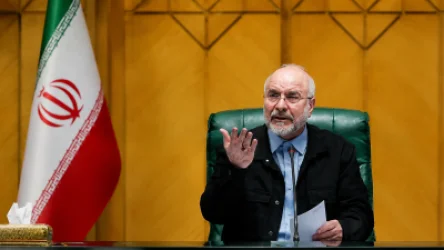
Health Insurance Will Be a New Tax Type, Arakelyan Says

Former Minister of Labor and Social Affairs Mesrop Arakelyan stated in an interview with Sputnik Armenia that the mandatory health insurance payment will be a new "tax type." He made this remark in response to information presented at the government level.
Prime Minister Nikol Pashinyan and Health Minister Anahit Avanesyan recently discussed the implementation of a universal health insurance system. Avanesyan noted that mandatory payments from salaries to the 'Zinapak' fund will be reduced, as the fund has already accumulated sufficient resources. The minister indicated that instead of the previous payment of 5500 drams, a new payment of 1000 drams will be reintroduced, with the difference directed towards health insurance.
According to Arakelyan, the government’s move is populist in nature and aims to mitigate citizens' dissatisfaction regarding new payments. "It turns out that they are saying you will pay less to the 'Zinapak' fund, but with this new 'tax type,' you will pay more. This means they are doing everything possible so that the citizen does not feel the increased amount in their pocket," he said.
The former minister also commented on the calculations, stating that the annual package for health insurance will amount to 129,600 drams or 10,800 drams per month. Currently, the amounts paid to the 'Zinapak' fund depend on salary levels; those earning up to 100,000 drams pay 1500 drams, those earning up to 200,000 drams pay 3000 drams, up to 500,000 drams pay 5500 drams, up to 1 million drams pay 8500 drams, and those earning over 1 million drams pay 15,000 drams.
Arakelyan believes that mandatory insurance will impose an additional financial burden, especially on those with lower incomes, while higher earners will benefit from this change. He also emphasized that there are considerable savings in the 'Zinapak' fund, approximately 150 billion drams, as the number of cases has significantly decreased due to military operations over the past few years. In this context, the reduction in fund payments is somewhat logical.
At the same time, Arakelyan highlighted that soldiers wounded in the war continue to face issues with rehabilitation treatments and prosthetics. "We have repeatedly suggested that the fund's savings be used specifically for these beneficiaries," he remarked.
It is worth mentioning that the 'Zinapak' fund (formerly the '1000 drams fund') was established in 2017 to financially support soldiers who were killed, went missing, or acquired disabilities, along with their families.
Նմանատիպ հոդվածներ
Ավելին Politics բաժնից
Նեթանյահուի ուղերձը աշխարհին․ պատերազմը երբեք չի ավարտվում

ԱՄՆ-ն ամբողջությամբ վերացրել Է Իրանի ծովային շրջափակումը
Մոսկվայի համբերությունն անսահման չէ․ ինչ կինի, եթե «կարմիր գծերը» հատվեն․ ՊՆ նախկին փոխնախարար