Pashinyan Comments on Aliyev's Controversial Statement
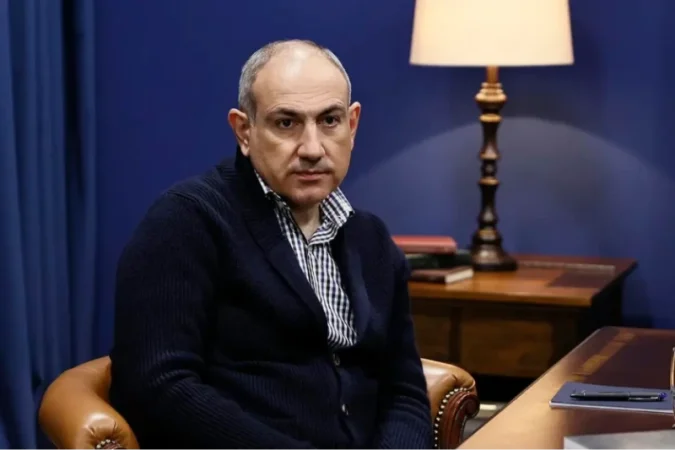
The statement from the President of Azerbaijan does not reflect the entire picture, as the Azerbaijani president stated that if we look at Tsarist maps, Lake Sevan is not there, it has another name. This was stated by Armenian Prime Minister Nikol Pashinyan while commenting on Ilham Aliyev's statement from yesterday.
It is noteworthy that a day earlier, Aliyev announced: “There is no Lake Sevan, there is Goycha Lake. Almost all place names in today’s territory of Armenia have Azerbaijani origins.”
Pashinyan emphasized that the essence of the agreement lies in the mutual recognition of each other's territorial integrity by Armenia and Azerbaijan based on the Almaty Declaration, the opening of regional communications according to the Washington Declaration, and conducting border delimitation based on an agreed regulation while “letting each other be.”
“It’s very simple: we just need to let each other be. There’s no need to do anything else,” noted Pashinyan. He added that this vision is also enshrined in the pre-signed peace agreement, which states in its first article: “The parties recognize and respect each other's sovereignty, territorial integrity, inviolability of international borders, and political independence.”
Pashinyan pointed out that according to the next article of the agreement, the parties confirm that they have no and will not have territorial claims against each other, nor will they conduct any actions that may undermine the territorial integrity or political unity of the other side. He stated that there is also a reference to the Almaty Declaration in the preamble of the peace agreement, highlighting that the architecture of peace is fully constructed at the political level.
“At this stage, we have no problems at the political level. The issues are mainly of a socio-psychological nature,” the Prime Minister noted, emphasizing that there are still elements of mutual distrust and psychological resistance between the societies. Pashinyan also observed that there are coinciding socio-psychological phenomena in Armenia and Azerbaijan, providing an example that the more frequently the name “Basargechar” is mentioned in Azerbaijan, the more the word “Artsakh” resonates in Armenia.
Նմանատիպ հոդվածներ
Ավելին Politics բաժնից

Յուրօրինակ ընտրություն` Վարդենիսի ընտրատեղամասերից մեկում
Առջևում լինելու են բեկումնային զարգացումներ. «Միասնության թևեր»-ի հայտարարությունը
Վահագն Ալեքսանյանը հայտնել է Արագածոտնի մարզի 12 ընտրատեղամասերում վերահաշավարկի արդյունքները