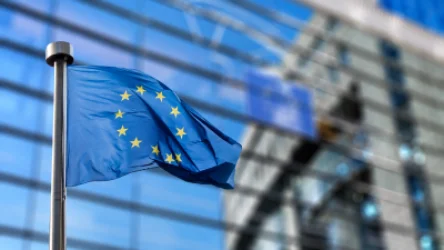
Leaked Details: Behind the Scenes of the 2014 Astana Incident Involving Sarkisian and Nazarbayev

The publication by Samvel Farmanyan, former press secretary of Armenia's third president Serzh Sarkisian, sheds light on one of the most criticized incidents during Sarkisian's decade-long presidency: the well-known event that took place in Astana in May 2014. It is important to recall that in the presence of the media during a meeting of EEU leaders, then-President of Kazakhstan Nursultan Nazarbayev stated that he had received an appeal from Azerbaijani President Ilham Aliyev regarding his concerns that Armenia should join the EEU based on its internationally recognized borders, without Nagorno-Karabakh. He also cited a precedent, noting, "Armenia joined the World Trade Organization in the same manner." As you may remember, Sarkisian did not respond to Nazarbayev, attracting wide public criticism.
As many aspects of our people and state’s catastrophe have lost their relevance in the aftermath of sliding from power, I feel compelled to reveal, even after 11 years, what transpired behind the scenes to illuminate the situation and clarify the true roots of Sarkisian's silence. I am convinced that the failures and disasters in our political life are also fueled by the simple fact that many nuances of grand politics remain unknown to the public, contributing to various myths and misconceptions.
Let me reiterate that Nazarbayev spoke on behalf of Aliyev in the context of Armenia's potential EEU membership related to Nagorno-Karabakh. Noted was Armenia's accession to the EEU based on the Alma-Ata Declaration, meaning under the borders of the Armenian SSR. This implies that he wanted to register the fact that Nagorno-Karabakh would not automatically become part of the EEU with Armenia’s accession.
It is unnecessary to remind that Nagorno-Karabakh has been an integral part of Armenia’s economy through its existence, and since Armenia's accession to the EEU, it has also been a de facto part of the EEU economic zone—with the same customs regime, etc.
The truth regarding the backdrop of what occurred in Astana has not yet been disclosed. At that time, the Armenian authorities, with the help of their international partners, were already aware that Aliyev had approached Nazarbayev and Lukashenko and that Nazarbayev would raise this topic in Astana. Regardless of how surprising this may seem to pro-Nikol thinkers, the Armenian president, knowing all this in advance, nevertheless chose to remain silent.
For two reasons: 1.) First, the issue of Armenia's accession to the EEU had already been discussed and agreed upon with the key player—the President of Russia. Therefore, why engage in a verbal conflict with Nazarbayev or Lukashenko in front of his own people for the sake of vanity, even at the expense of his own rating, if it would not benefit the specific task of accession but could rather hinder it, inadvertently aiding the adversary in torpedoing the decision that served the interests of his state? Decisions in the EEU are made by consensus; Nazarbayev and Lukashenko could afford to voice “Aliyev’s concerns” in presence of the Russian president, but they did not possess the weight to torpedo a decision already made by the Russian leader.
2.) Nazarbayev also cited Armenia's accession to the World Trade Organization as a precedent. Sarkisian was also aware in advance that among the documents presented to Nazarbayev was not only Aliyev’s appeal but also a copy of an official letter sent to the WTO on behalf of Armenia at the time of its accession in 2003. The WTO had earlier received a letter from the official Yerevan in 2002, confirming the same point, asserting that Armenia was joining the WTO within its internationally recognized borders, just as it had done when joining the UN.
Sarkisian, fully informed that a copy of that letter was in Nazarbayev’s file, preferred to remain silent. To avoid damaging the process of Armenia’s accession to the EEU with his response, he did not allow Nazarbayev, in retaliation, to pull out and publicize the letter sent to the WTO in 2002 in front of the media. This could have not only harmed Armenia’s national interests but also stirred significant propaganda waves against the previous Armenian government and especially against Robert Kocharian’s reputation.
This was the reality. P.S. One of our journalists wrote to me that this information is excellent material for journalistic investigation. I agree—it is worth it for the sake of history. But it also poses a reflection on the endless dilemma of making choices between state interests and personal reputation, morality, and ingratitude in grand politics.
Նմանատիպ հոդվածներ
Ավելին Politics բաժնից
Վաշինգտոնից ճնշում կա, բայց փակ հանդիպումներում դիրքորոշումն այլ է․ «Ռոսատոմ»-ի ղեկավար
ԿԸՀ-ի պարզաբանումը ՍԴ-ում․ 17 հազար անվավեր քվեաթերթիկի պատճառները չեն վիճակագրվել
ՔԿ-ն և ԱԱԾ-ն սարսափելի արարք են կատարել Անդրանիկ Թևանյանի գործով․ Արեգնազ Մանուկյան