Fungal Infections, Bacterial Infections, and Other Illnesses: The Consequences of Hot Weather
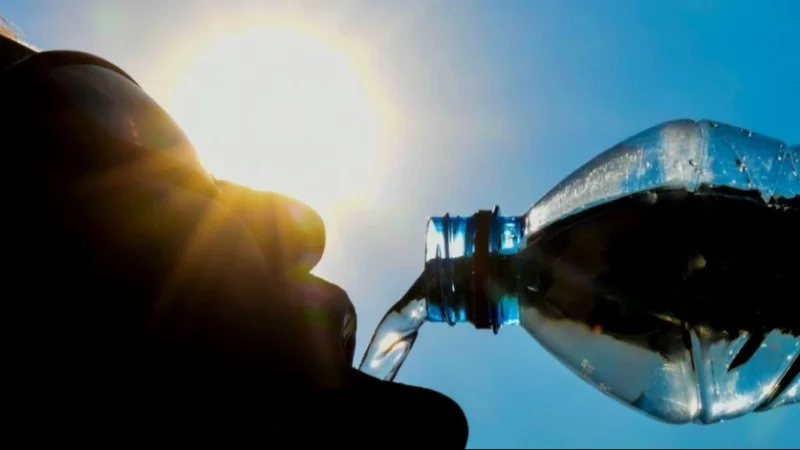
The Rector of Yerevan State Medical University, Armen Muradyan, has stated:
“During the summer months, the prevalence of skin problems in our region is as follows: between 60% to 80% of children experience at least one skin issue during the summer season, primarily dermatitis, eczema, sunburn, pigmentation issues, and miliaria, which is a problem caused by blocked sweat glands.
Hot weather can exacerbate a number of skin issues due to high temperatures, increased sweating, and intense sunlight. Here are the most common skin problems associated with heat:
- Problems related to sweating: The most common issue is the blockage of sweat glands/milia (sweat rash), which manifest as red spots or pimple-like formations, primarily in body folds (neck, back, chest, underarms). These occur when the outflow of sweat is obstructed.
- Sunburn: This becomes problematic, especially when remaining under the sun for prolonged periods without protective creams, causing discomfort, redness, and can be accompanied by pain and itching.
- Allergic reactions to the sun: Some people's skin is hypersensitive to sunlight, leading to ulcerations, rashes, and itching as a result of sun exposure (photoallergic or phototoxic reactions).
- Fungal infections: Areas of the body that are moist during hot weather (folds, feet, web spaces) become favorable for fungal development, such as tinea (tinea cruris in the groin area, tinea pedis on the feet).
- Bacterial infections: Sweat, heat, and contamination facilitate the penetration of various pathogens through micro-injuries in the skin, which can present differently, for instance, as furuncles or ulcers.
- Acne: Hot weather, sweat, oiliness, and dust can worsen acne, especially commonly seen among adolescents and young adults.
- Solar dermatitis: (Polymorphic Light Eruption, PLE), an inflammatory skin reaction occurring after sun exposure, characterized by itching, redness, and sometimes small blisters.
The climate in Armenia, featuring dry, hot summers and cold, windy winters, creates a unique set of skin problems characteristic of local climatic conditions.
Among the issues mentioned, sweating, sunburn, fungal infections, and acne are particularly prevalent in our region. The intensity of sunlight in Armenia, especially in high-altitude areas (e.g., Gyumri, Tsaghkadzor, Sevan), is quite strong. Prolonged exposure without sun protection often leads to redness and burning sensations. Many areas in our country experience very low humidity, which continuously contributes to skin dryness. Armenia has approximately 2700-3000 sunny days per year, increasing the risk of problems arising from sun exposure (e.g., photodamage, pigmentation).
Factors contributing to the development of skin problems also include construction dust and the industrial environment, which promote skin irritation and inflammation.
The best measures for preventing skin problems in Armenia are aimed at protecting the skin from the sun, dry air, microbiota, and climatic extremes. Seasonal summer prevention is implemented in several directions:
- Protection from solar radiation: It is essential to use sunblock with an SPF of 30 or higher (preferably with broad-spectrum UVA/UVB protection), which should be reapplied every 2–3 hours or after sweating/water exposure. Additionally, wearing hats, sunglasses, and light-colored cotton clothing is recommended.
- Preventing problems related to sweating: Clothing should be breathable, loosely fitted, and made from natural fibers. Avoid staying in hot environments for extended periods. Shower and change into dry clothing as soon as possible after sweating.
- Preventing fungal infections: Keep skin folds (groin, armpits, between toes) dry. Avoid using someone else’s towel, flip-flops, or shoes.
- Reducing acne and skin oiliness: Use mild cleansing lotions containing sulfur or salicylic acid. Do not wash excessively, as this can dry out the skin worsening the condition. Opt for non-comedogenic sunblocks.
The most common skin type among Armenians is combination skin, characterized by oiliness on the forehead, nose, and chin (T-zone), prone to shine, pimples, and blackheads, while the edges of the forehead and cheeks may be normal or dry. In the summer, oiliness is more prominent, while in winter, dryness prevails.
Summer care for combination skin has its specificities. Proper care helps balance different skin areas without drying out dry areas or increasing grease in the T-zone. Therefore, summer care must include:
- Cleansing: Use mild, sulfate-free gel cleansers, such as those containing salicylic acid (0.5–2%), washing the face twice daily (morning and evening).
- Moisturizing: Use light, water-based moisturizers, avoiding oily or excessively thick creams.
- Sun protection: Apply non-comedogenic SPF 30+ sunblocks.
- Exfoliation: In summer, exfoliate once a week with gentle scrubs or chemical peels (salicylic acid, lactic acid) suitable for the T-zone, avoiding overly intense exfoliation, especially on the cheeks.
- Masks: Use the “Multi-masking” method featuring different masks for various areas, for example, a clay mask for the T-zone and a hydrating mask for the cheeks.
General Recommendations:
- Use only non-comedogenic cosmetics.
- Change pillowcases twice a week.
- Include fruits, vegetables, and plenty of water in your diet.
Նմանատիպ հոդվածներ



Ավելին Society բաժնից
Սևանա լճում ջրի մակարդակի նոր աճ է արձանագրվել

Մի քանի րոպեում կարող ենք ոչնչացնել. Թրամփի հայտարարությունը Իրանի մասին

Երեխաների բերանները մանկապարտեզում փակել են կպչուն ժապավենով. ՔԿ