We Free the Vicarage from Ktrich Nersisyan, Appoint a Righteous Priest. Pashinyan
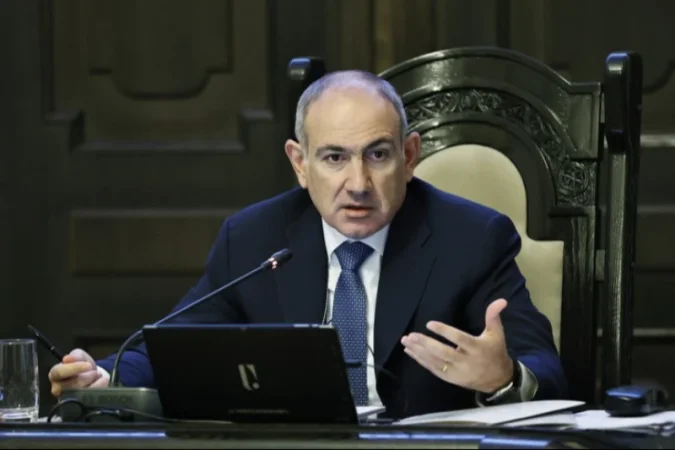
Armenian Prime Minister Nikol Pashinyan wrote: "The freeing of the Vicarage from Ktrich Nersisyan is primarily a spiritual agenda. Our Church, and through it our state and society, is on an agenda of renewing ourselves, establishing moral standards of life in our state.
It is difficult, if not impossible, to adjust to the public-moral benchmark dreamt and preached by Hovhannes Tumanyan—that is, 'noble people, kind hearts, elevated souls'—to make it an average statistical standard, if the clergy does not uphold the standards imposed by their ancestors, which they subscribed to.
Moreover, this is a consequence of a lack of governance; empires have encouraged deviation from the 'standard of subscription' to manage the Armenian Apostolic Church and thus hinder the rise of our people.
In this sense, our problem cannot be simply to replace Ktrich Nersisyan with another priest who has violated the subscription, because that would be a political trick and not an agenda of spiritual renewal. I understand that this complicates the issue, but deception has not been and will not be our goal.
Thus, I propose the following program. We free the Vicarage from Ktrich Nersisyan. A righteous priest of reputable conduct is appointed as the Locum Tenens, who, of course, cannot aspire to the throne of the Catholicos. New elections for the Catholicos will not be held until the 'Charter of the Armenian Church' is officially established, which will be secular, concise, and understandable to all (currently, there is no secular version of the Charter of the Armenian Church, and the thousands of rules contained within it were constituted over 17 centuries, leading to the faithful community, including many clergy, not being in contact with the Charter and being unaware of the rules defined therein, thus significantly affecting the practical significance of the Charter).
Once the Charter is established, elections for the Supreme Patriarch of All Armenians must take place, during which the moral conduct of all candidates shall be examined. Moreover, the procedures for verifying the moral conduct of the Catholicos candidates, their compliance, and the election process must be established in the Charter, which should be approved by the National Ecclesiastical Assembly or an equivalent format.
Now, regarding the 'The Vicarage of the Noble' movement. It is a movement of followers of the Armenian Apostolic Holy Church. Here the issue is that we cannot verify the doctrinal affiliation of any person who appears in public squares or on social networks, nor can we prohibit anyone from appearing publicly or expressing any position. However, the leaders of the movement must meet the previously announced following criteria: a) they must be followers of the Armenian Apostolic Holy Church (baptized in the Armenian Apostolic Church); b) they must believe wholeheartedly in our living Lord, Jesus Christ; c) they must have read the Bible from beginning to end at least once; d) they must have fasted at least once during the Great Lent in the last five years; e) they must pray daily; f) they must believe that the agenda of renewal for the Mother See arises from the interests of the Armenian Apostolic Holy Church, our people, and our state and corresponds to the holy tradition of our ancestors.
Of course, empirically verifying compliance with some of these criteria will not be easy, but the logic of verification in communication applies here, which is fully feasible. It is also understood that by declaring that I will lead the 'The Vicarage of the Noble' movement, I must comply with all the criteria myself. And since I have declared that I will lead 'The Vicarage of the Noble' movement, then I meet those criteria. I also understand that by establishing these criteria, I am significantly complicating the formation of leadership for this movement. But this is necessary in order not to deviate from the spiritual nature of the agenda, and our Lord Jesus Christ teaches: 'Enter through the narrow gate. For wide is the gate and broad is the way that leads to destruction, and many enter through it. But small is the gate and narrow is the way that leads to life, and only a few find it' (Matthew 7:13-14).
Note: The renewal agenda cannot in any way be interpreted as a reference to theocracy. It will not restrict the freedoms of any citizen and cannot restrict them. However, the community must also send a very clear message that it has the right to full accountability from state, church, and political leaders, including in personal and public life. Those who are not confident in this matter should not apply for religious or political leadership.
Նմանատիպ հոդվածներ

Ավելին Politics բաժնից

Մելոնին դատապարտել է իր մասնակցությամբ ԱԲ-ով ստեղծված սկանդալային տեսանյութը .RaiNews
Պուտինի և Թրամփի մեջբերումները իմ սրտին մոտ եմ պահում. Լավրով
Անդրանիկ Թևանյանի կալանքը երկարաձգվեց 2 ամսով