AI and Weather Disasters: Predictions

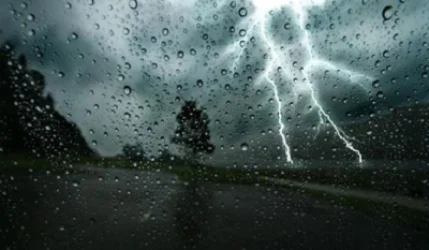
Artificial Intelligence (AI) has revolutionized short-term weather forecasting, providing higher accuracy and energy efficiency compared to traditional models. However, a study conducted by scientists from the University of Chicago, New York University, and the University of California, Santa Cruz, published in the Proceedings of the National Academy of Sciences, has revealed a significant flaw: neural networks are unable to predict extreme weather events, such as Category 5 storms, droughts, or floods, if such occurrences are absent from their training data.
The neural networks used for weather forecasting are trained on historical data to identify patterns and predict future conditions. However, their capabilities are limited to what has been observed in the past. If training data lacks information on rare disasters, AI cannot anticipate their occurrence or magnitude.
To test this, the scientists trained a model without data on storms higher than Category 2 and asked it to predict conditions leading to a Category 5 storm. The results were concerning; the model consistently underestimated the event, predicting at most a Category 2 storm. “It knew that a storm was approaching, but it could not forecast its true strength,” explained research co-author Yunjian Sun.
Such errors can have disastrous consequences, including loss of life and destruction of infrastructure, if authorities underestimate the scale of an impending catastrophe. The researchers suggest combining AI with traditional physical models to enhance accuracy. One promising method is active learning. Another approach is integrating physical laws into AI algorithms. This would make the models more resilient to unknown scenarios, improving their ability to predict disasters.
Նմանատիպ հոդվածներ



Ավելին Society բաժնից

Վանաձորում տղամարդու դի է հայտնաբերվել, նախնական տվյալներով՝ կենդանու կողմից հոշոտված
Բեռնատարը մկրատաձև դիրք է ընդունել. արգելափակվել է մոտ 100 բեռնատար և 50 մարդատար ավտոմեքենա

Տիգրան Ավինյանը Հաղթանակ կամրջի վրա փրկել է տղամարդու կյանքը