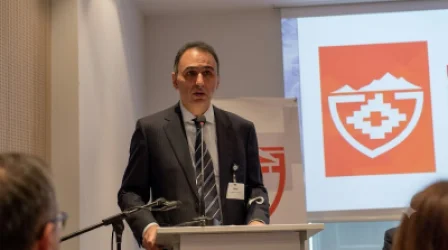
Whoever understands it should pay for it. Pashinyan

The legal community is beginning to use terminology that is entirely inaccessible and incomprehensible to ordinary mortals. This is also related to the concept of a jury court, as the parties failed to explain the essence of their problems to the jurors in an understandable language. This was stated by Armenian Prime Minister Nikol Pashinyan today, April 21, at the conference titled “Justice as a Tool for Achieving Justice” taking place in Yerevan, in response to a question about why justice is delayed.
“Right now, our problem is that we, or society, sometimes cannot understand what is what. Such phenomena are very prevalent in our reality. For example, when society is supposed to communicate with culture and understand that culture, they say, ‘Well, you know, this is nevertheless an elitist culture, and not everyone should understand it; this is culture for a narrow circle.’ From here arises the question: very well, if this is narrow culture, the public will ask, they will say, 'Why am I paying taxes to maintain these cultural institutions for them to produce culture that occurs in empty halls or is attended by five, six, or seven people? If I do not understand this culture, whoever understands it should pay for the existence and further functioning of that culture.’
The same applies to justice. They say, ‘Well, you know, there are such complicated legal knots and nuances.’ I am not saying that complex knots do not exist; I am saying that society should understand what is happening and why. Internal conviction is a very important and key thing, but if we do not see what this internal conviction is based on, the society develops an internal conviction that this internal conviction has been formed not at all on the basis of facts and arguments.
Moreover, sometimes representatives of our legal community pour oil on the fire, saying, ‘Well, you know, law is not an exact science; the conclusion can be this way or that way,’” said Pashinyan.
He noted that the fundamental problem is that justice is not so much delayed as it is not reaching a conclusion. It is a constant process, going on and on without resolution. Imagine a journey that does not end; there is no final point at which we can say that we have arrived at this conclusion.
Նմանատիպ հոդվածներ
Ավելին Politics բաժնից

Թրամփը կմասնակցի Էրդողանի նախաձեռնած ՆԱՏՕ-ի գագաթնաժողովին՝ նրա նկատմամբ հարգանքից ելնելով
Էդգար Ղազարյան․ «Քաղաքական բռնաճնշումները շարունակվում են մեր ընտանիքի նկատմամբ»
Էկոնոմիկայի նախարար Գևորգ Պապոյանը հրավեր է ստացել մասնակցելու Եկատերինբուրգի ֆորումին․ նախարարություն