The Process is Continuous, It Does Not Resolve Itself: Pashinyan

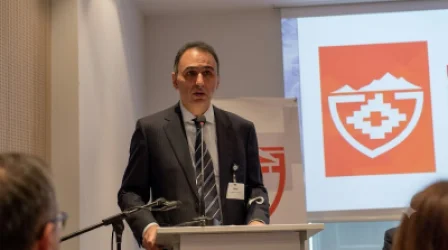
Prime Minister Nikol Pashinyan participated in the conference titled "Justice as a Tool for Achieving Fairness" organized by the Ministry of Justice. During the event, current challenges in the implementation of justice, the effectiveness of the judicial system, increasing public trust in it, the impact of legal reforms, and the use of preventive measures were discussed. The issues of ensuring cooperation among law enforcement agencies and the protection of human rights were also addressed.
In the first part of the panel discussion, challenges related to maintaining reasonable timeframes for court proceedings, the impact of sectoral reforms on the efficiency of justice implementation and deadlines, the correlation of the speed of procedural actions by law enforcement bodies with court deadlines, and the relationship between the right to judicial protection and the speed of justice in the context of procedural abuses were discussed.
The Prime Minister responded to the moderator’s question regarding the role of the Government of Armenia and the responsibilities of various actors in the judicial authority to provide timely and effective justice to Armenian citizens. Nikol Pashinyan emphasized the importance of the discussion, considering it somewhat overdue: "In other words, it would have been good to discuss these issues several times during this period. I believe that one of the underlying reasons for the question posed is that there is, nevertheless, a certain disconnect between the justice and constitutionality in the Republic of Armenia, both procedurally and substantively. Why do we say or why is there this question regarding whether justice and fairness are the same or whether they should be the same? In general, when we try to compare this question, we see that there is indeed a problem in the formulation itself, but it is important to understand what causes such a formulation and question to exist in our reality. I believe one reason for this is that justice is incomprehensible to many in Armenia."
According to the Prime Minister, there is also an issue regarding the language of justice among the public, as the legal community at some point starts using terminology that is not accessible and understandable to the majority of citizens. "We ask why justice is delayed; it is not that justice is delayed, but that it is not reaching its destination. It is a continuous process, it does not resolve itself. There are also internal legal discourses; in the operational block, there are different perceptions and understandings; in the investigative block, separate understandings; in the prosecutorial block, separate ones; in the judicial block, again separate," noted the leader of the country.
Nikol Pashinyan stated that the sole source of power in the Republic of Armenia is the people, and therefore, the people should also have the opportunity to understand what is happening with the institutions they have created, how these institutions operate, what goals they pursue, and what results they generate. According to the Prime Minister, there is a problem of organic connection between the public and the established legal order in the country. "My assessment has been and remains that, during this time, I have only been convinced of it, that the gap in the legal order is related to the public perception and belief that the officially recorded results of constitutional referendums do not express, or do not accurately express, the will of the people. I talk a lot about this, now in different places, when presenting the ideology of Real Armenia," said Nikol Pashinyan, adding that these are issues that need to be thought about, and the necessity of conducting discussions with such emphasis indicates that we have not yet reached an acceptable point in this regard.
In the second part of the panel discussion, the effects of judicial acts regarding the use of preventive measures and justification on the perception of the judiciary's independence, the balance between public and private interests in the processes of accusations and the selection of preventive measures, and the role of civil society in increasing the level of public oversight and accountability in the process were addressed.
Նմանատիպ հոդվածներ
Ավելին Politics բաժնից
Թրամփը կմասնակցի Էրդողանի նախաձեռնած ՆԱՏՕ-ի գագաթնաժողովին՝ նրա նկատմամբ հարգանքից ելնելով
Էդգար Ղազարյան․ «Քաղաքական բռնաճնշումները շարունակվում են մեր ընտանիքի նկատմամբ»
Էկոնոմիկայի նախարար Գևորգ Պապոյանը հրավեր է ստացել մասնակցելու Եկատերինբուրգի ֆորումին․ նախարարություն