I Am Ready to Sign the Agreement on Behalf of the People, Says Pashinyan
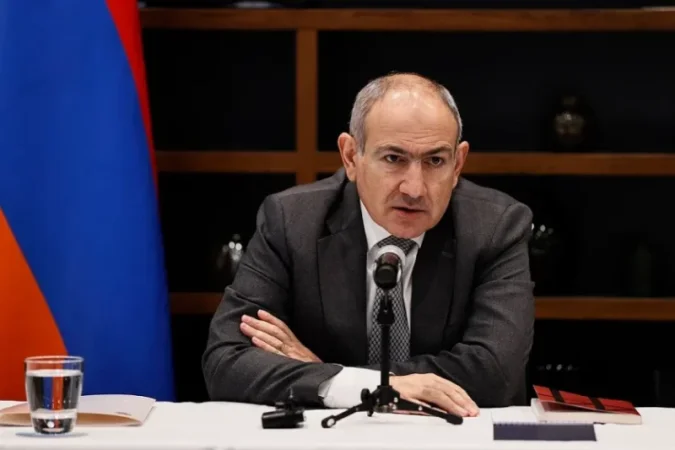
The project of the agreement on the establishment of peace and inter-state relations between Armenia and Azerbaijan has been agreed upon, and negotiations on the project have concluded. This was stated by Armenian Prime Minister Nikol Pashinyan on his Facebook page.
“This means that we have entered the phase of discussions about signing the agreement, and I have declared that I am ready to put my signature under the agreement on behalf of the people of Armenia. Azerbaijan links the signing of the agreement at an official level with two issues. The first is the dissolution of the OSCE Minsk Group's structures. I have repeatedly stated that this is a legitimate agenda for the Republic of Armenia. If we are closing the page on the Nagorno-Karabakh conflict, which we are doing, what is the point of having a body that deals with the conflict? However, the OSCE Minsk Group at least de facto has a broader context, and we want to be assured that Azerbaijan does not perceive the dissolution of the Minsk Group as a step towards closing the Armenia-Azerbaijan conflict in Azerbaijan's territory and transferring it to the sovereign territory of the Republic of Armenia. To dispel these concerns, we are proposing to Azerbaijan to sign the Peace Agreement and a joint application to the OSCE regarding the dissolution of the Minsk Group’s structures simultaneously. In other words, we are putting the Peace Agreement on the table, along with the joint application for the dissolution of the OSCE Minsk Group structures, and signing both at the same place, at the same time. This is, moreover, an official proposal.
The next issue that Azerbaijan raises in the context of signing the Peace Agreement is its claim that the Constitution of the Republic of Armenia contains territorial demands against Azerbaijan. I believe that in order to respond correctly to this question, we must first try to proceed with the assumption that this issue is brought up by Azerbaijan as a sincere concern and not as a pretext for not signing the Peace Agreement, as some experts think.
We must sincerely understand the essence of the problem and its political and legal implications. Therefore, we must record that only the Constitutional Court of the Republic of Armenia can give an official interpretation of the text of the Constitution of the Republic of Armenia, meaning that the Constitutional Court is the body that can officially declare what is contained in and what is not contained in the Constitution of the Republic of Armenia. Our Constitutional Court has examined the rules of the joint activities of the commission on delimitation of the state border between the Republic of Armenia and the Republic of Azerbaijan, and the state commission on demarcation of the state border between Azerbaijan and the Republic of Armenia, in September 2024, and recorded that the regulation, where the Alma-Ata declaration is recorded as the basic principle of delimitation between the two countries, corresponds to the Constitution of the Republic of Armenia. This means that our Constitutional Court has established that the principle of the Alma-Ata declaration, according to which the territory of independent Armenia is identical to the territory of Soviet Armenia, while the territory of independent Azerbaijan is identical to the territory of Soviet Azerbaijan, and on the basis of which the parties agreed in Prague on October 6, 2022, to regulate their relations, fully corresponds to the Constitution of the Republic of Armenia. And therefore, the body authorized to interpret the Constitution of Armenia has established with irrevocable authority that there are no territorial claims against Azerbaijan or any other country contained in the Constitution of the Republic of Armenia. This, I repeat, is a decision of the utmost legal force that cannot be revoked.
On the other hand, as I have had the occasion to say, we ourselves see territorial claims against the Republic of Armenia in the Constitution of the Republic of Azerbaijan. But we do not raise this issue because the draft agreement on establishing peace and inter-state relations between Armenia and Azerbaijan contains the necessary formulations that resolve the issue by recording that the parties have no territorial claims against each other and commit themselves not to raise similar claims in the future, with the understanding that the two countries recognize each other’s territorial integrity based on the territory of the Soviet Republics, as indicated in the Alma-Ata declaration.
So, if we accept that Azerbaijan's position concerning our Constitution is not a pretext but a sincere concern, the most effective way to dispel that concern is not to refrain from signing the agreement but to sign it. Why? Because according to our legislation, the Government is obliged to send the text of the Peace Agreement to the Constitutional Court of the Republic of Armenia to check its compliance with our Constitution. Although experts do not consider this possibility to be very likely after the Constitutional Court's decision in 2025, if the Constitutional Court decides that the text of the Peace Agreement between Armenia and Azerbaijan does not comply with the Constitution of the Republic of Armenia, at that moment the Republic of Armenia will face a specific situation and the necessity to make a choice between peace and conflict. But if the Constitutional Court of Armenia decides that the text of the Peace Agreement between Armenia and Azerbaijan complies with the Constitution of the Republic of Armenia, in that case, there will be no obstacle to ratifying the Agreement in the National Assembly, and after its ratification in Parliament, Article 3 of Article 5 of the Constitution of the Republic of Armenia will apply, which states: ‘In the case of contradiction between the norms of international treaties and laws ratified by the Republic of Armenia, the norms of international treaties apply.’ This means that after the Peace Agreement is ratified in Armenia, as well as in Azerbaijan, it will acquire the highest legal force and, therefore, with its current position on the Peace Agreement, Azerbaijan is obstructing the resolution of the very issues it has raised, and this gives many experts grounds to say that Azerbaijan is merely delaying the signing of the Peace Agreement with fabricated pretexts.
To avoid misunderstanding, I want to emphasize once again: the way to address the issues raised by Azerbaijan is not the refusal to sign the Peace Agreement, but the signing of it. And since we also have similar questions, the same applies to the Republic of Armenia.
Despite all the hardships and difficulties, the Government and I personally will not deviate from the Peace agenda. It is evident that certain forces both inside and outside Armenia are engaged in daily propaganda for war and are taking concrete actions aimed at implementing that. Among those actions is Azerbaijan’s war rhetoric, alongside actions expressed in false accusations against Armenia of violating the ceasefire regime, and the frequent violations of the ceasefire regime by the armed forces of Azerbaijan, if not to say on a daily basis. These violations are mainly indiscriminate in nature, although in the last month, two specific instances of targeting have been recorded in the village of Khndzoresk in the Syunik region. However, during this period, indiscriminate shots have been heard in several settlements of our republic. These shots are either a consequence of misbehavior within the Armed Forces of Azerbaijan, or are aimed at exerting psychological pressure on the residents of those settlements. The Republic of Armenia calls on the Republic of Azerbaijan to investigate the mentioned incidents and to take measures aimed at stopping them.
I personally reaffirm that I have given clear instructions to the Armenian army not to violate the ceasefire regime, and the Republic of Armenia is ready to consider information about violations of the ceasefire regime by our army. At the same time, I again propose to Azerbaijan to establish a joint mechanism for investigating border incidents, including breaches of the ceasefire regime, which would operate on a daily basis.
In this context, I find it necessary to address all the rhetoric that forecasts a new escalation and even a new war between Armenia and Azerbaijan. There is no justification for war. Armenia and Azerbaijan have recognized each other's territorial integrity, sovereignty, the inviolability of internationally recognized borders, and the inadmissibility of the use of force or threats of force. Based on these realities, I call on all forces and individuals operating in Armenia and Azerbaijan to be extremely responsible, to refrain from statements that directly or indirectly contradict that logic, and not to put this logic into doubt. It has no prospect. The peoples of Armenia and Azerbaijan deserve peace and peaceful coexistence. There will be no war; there will be peace,” he wrote.
Նմանատիպ հոդվածներ

Ավելին Politics բաժնից
Ուկրաինայում թմրամոլություն ունեցող մարդկանց են զանգվածաբար զորակոչում
Ռուբեն Ռուբինյանը կարգադրել է բաշխել ԱԺ-ի համար նախատեսված պարգևատրման գումարը
Նովոռոսիյսկի նավահանգիստը գիշերային ժամերին սահմանափակել է նավերի մուտքն ու ելքը՝ անօդաչուների հարձակումների պատճառով