In That Case, Residents of Border Communities Will Feel Safe: Mirzoyan

The Minister of Foreign Affairs of Armenia, Ararat Mirzoyan, gave an interview to Turkish NTV during the Antalya Diplomatic Forum.
Question: In this context, what can you say about the European Union's mission?
Ararat Mirzoyan: Currently, we have a civilian mission of the European Union that is monitoring the Armenia-Azerbaijan border. The mandate of the mission, as well as its ultimate goal, is to strengthen stability and peace between Armenia and Azerbaijan. If a peace agreement is signed, if we continue the process of delimitation, and as a result reach stability, then people living in border areas of both Armenia and Azerbaijan will feel secure and will be able to organize their daily lives safely, and there will be no need for a monitoring mission. Therefore, the shortest and most effective way to resolve the issues you mentioned or that our Azerbaijani colleagues have mentioned is the signing and ratification of a peace agreement.
Question: The Azerbaijani Foreign Minister mentioned the Constitution of Armenia and, as you indicated, you consider it a prerequisite. Azerbaijan expects that changes need to be made, and you also noted during the discussion that there is no claim for modification in your Constitution. However, the Constitution refers to the Declaration of Independence. What you say holds significant value. But that is also a legal issue, so how will it end? How would you comment on this?
Ararats Mirzoyan: When it comes to the Constitution, it should be clearly emphasized that there are no territorial claims against Azerbaijan's territorial integrity in our Constitution. The preamble of the Constitution refers to the Declaration of Independence, which states that the Constitution is based on that declaration in the context of various goals and values. Then, the main provisions of the Constitution are presented. The Azerbaijani side believes there is a requirement in the Declaration of Independence. As I have already mentioned, and I do not wish to delve into details now, but this can easily be proven by legal experts, as all relevant documents are open and accessible. At the same time, we have serious concerns regarding the fact that there are territorial claims within Azerbaijan's Constitution. And I am ready to explain why. In their Constitution, they refer to their Declaration of Independence, which states that this Republic of Azerbaijan is the successor of the First Republic that existed before the Soviet Union. Thus, the First Republic of Azerbaijan declared its sovereignty over a much broader area than the internationally recognized borders of modern Azerbaijan. More than 60 percent of these territories constitute the sovereign and internationally recognized territory of the Republic of Armenia. This is, of course, a problem. If we delve into the Constitution, then this is undoubtedly a problem. However, the proposed peace agreement, to which we are ready to sign, already includes mechanisms for solving this issue. Firstly, as I have already said, the parties recognize each other’s territorial integrity according to the borders I have already mentioned. And this is the formulation that is acceptable to both sides, as otherwise, an agreement on the text simply could not have been reached. Thus, during the ratification process, after signing, this document must go and receive a positive opinion from our Constitutional Court.
Question: Are you confident about that?
Ararat Mirzoyan: Of course, if the Constitutional Court concludes that the proposed peace agreement, including the recognition of the territorial integrity of the parties—as understood and defined—complies with the Constitution, then it can be said that the issue is resolved and fully addressed. But if, theoretically, the Constitutional Court declares that the agreement does not comply with the Constitution, then that will be a different situation. In that case, the parties will, of course, return to the negotiating table to evaluate the next steps. But I reiterate, this is an exclusively theoretical scenario since last September we had another opportunity to understand the approach of the Constitutional Court. If you remember, the joint commissions for delimitation between Armenia and Azerbaijan signed their first international document—the regulations of the commissions. This document clearly states that delimitation should be conducted based on the Alma-Ata Declaration—on the same principle that I have mentioned, that the administrative boundaries existing between the parties after the collapse of the Soviet Union transformed into internationally recognized state borders. This regulation was submitted to the Constitutional Court, and the court gave a positive opinion, noting that the content of that document fully complies with the Constitution. In other words, we are dealing with the application of the same logic, the same principle. Therefore, it is unlikely that the Constitutional Court will express an opposing position on the same issue just a few months later. However, I again emphasize—there is always a theoretical possibility.
Finally, regardless of the perspective from which we view the situation, the signing and ratification of a peace agreement remains the shortest and most effective way to resolve the issue.
Նմանատիպ հոդվածներ
Ավելին Politics բաժնից

Ռուսաստանից զգուշացնում են Եվրոպայի հետ առճակատման ռիսկերի մասին
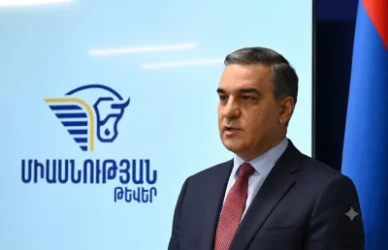
«Միասնության թևեր»-ը դիմել է ընտրություններին մասնակցած կուսակցություններին

Մենք չենք կատարի որևէ քայլ, որը կվտանգի մեր երկարամյա դաշնակիցների անվտանգությունը. Ռուբիո