This Information Does Not Correspond to Reality: Ministry of Justice
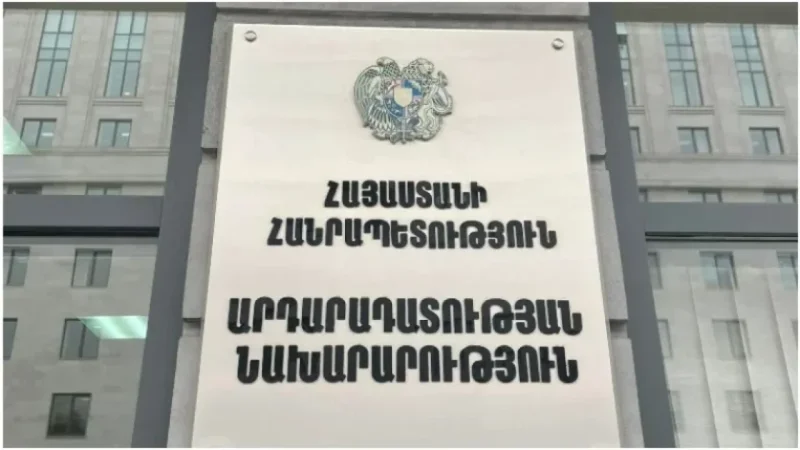
Reports are circulating in the media regarding the draft amendments to the Administrative Procedure Code recently presented for public discussion by the Ministry of Justice, claiming that citizens must pay the fine before being able to challenge it in court. However, such information does not correspond to reality. This was stated in a message released by the Ministry of Justice.
“In particular, the draft amendments to the Administrative Procedure Code circulated by the Ministry of Justice propose to nullify Article 83 of the Administrative Procedure Code, which outlines the legal consequences of accepting a complaint for review, and instead establish that in the case of a contested claim, a motion for taking protective measures can also be submitted as needed. This means that individuals will still be able to petition and, by court decision, refrain from paying the fine until the final judicial decision is made.
The proposed change is based on the fact that the main rule of Article 83 of the Administrative Procedure Code — that the suspension of an administrative act’s action occurs as a result of the admission of the complaint for review — is subject to a number of exceptions. Specifically, these exceptions stipulate that in certain cases, the contesting of an administrative act does not automatically lead to the suspension of its action, and the petitioner must again submit a motion to the court as necessary. Currently, these exceptions have reached a total of eight, and it can even be said that their application has become the general rule.
Accordingly, following the development of administrative procedural relations, the Ministry has suggested establishing a general rule that the action of the administrative act continues if it is contested, until the petitioner submits a motion for taking protective measures and the court satisfies it. At the same time, we would like to clarify that this does not mean payment of the fine, but rather the judicial contesting of an administrative act. If the proposed changes are adopted, citizens will still have the opportunity to contest administrative acts; the only difference will be that, as necessary, they will need to justify in their application why the action of the administrative act should be suspended and what consequences may arise for them if it is not suspended. In other words, in any case, the court can consider and apply protective measures according to the petitioner’s request.
Additionally, the draft also provides the possibility that in all cases where a motion for protective measures is received with a contested claim, and the court concludes that the immediate application of protective measures is necessary to prevent irreparable consequences, the court can immediately apply the motion for protective measures without waiting for the position of the state body. This means that the action of the administrative act will not be suspended for two reasons: first, because the petitioner has not applied for protective measures, and second, because the court has found no necessity for it.
If the motion for protective measures is denied and the action of the administrative act is not suspended, the person subject to administrative liability must pay the fine through the normal procedure and can later apply for a refund of the paid fine after a judicial act is made in his favor and comes into force. Moreover, unlike other types of administrative claims, in this case, it has also been specifically provided that there is a possibility to appeal the administrative court’s decision on protective measures as an additional guarantee. This means that all claims suggesting that the draft prepared by the Ministry requires payment of the fine and only then approaching the court do not reflect reality and do not represent the objectives pursued by the development of the draft,” the statement concludes.
Նմանատիպ հոդվածներ




Ավելին Society բաժնից

Հայաստանում աշխատատեղերի աճը կապված է այլ գործոնների հետ․ Sputnik Արմենիայի

Ուկրաինայում ուղղափառ եկեղեցու քահանային բերման են ենթարկել և տարել զորակոչի

ՏԵՍԱՆՅՈՒԹ. Ընտանեկան և կենցաղային բռնnւթյան մասին ՆԳՆ ոստիկանություն ստացված հաղորդումները 78-ով ավելացել են