Transport fare will not be 300 drams; it will average 150.5 drams, says Armen Galjyan
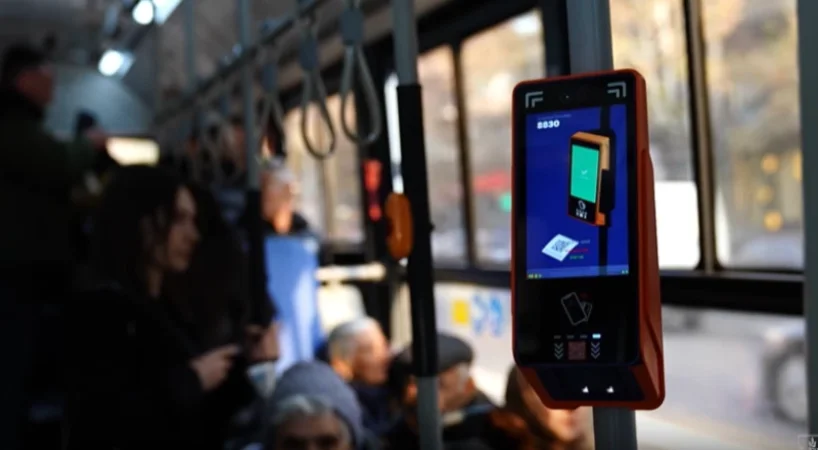
Transport fare will not be 300 drams; it will average 150.5 drams. This was stated by Armen Galjyan, the head of the Civil Contract faction of the Yerevan City Council.
“As I see many opinions about why we complicate it so much and suggest making it 150 drams for everyone, it should be noted that in that case, it would mean that, for example, a citizen traveling 4 times a day would pay 13,200 drams a month, while with our proposed option, they would pay 8,800 drams. Now let’s understand how the fare averages to 150.5 drams and not 300:
Many argue why we are counting the weekend days in a unified ticket system since people are at home on those days. I want to present the following statistics:
On Saturdays, an average of 245,000 passengers use both buses and the metro combined, with slightly fewer on Sundays. Assuming someone goes from point A to B, they need to return, giving us an average of 122,500 people. So, who are these people, and why should Saturdays and Sundays not be counted? It could be disregarded if that number were, for example, 20,000 people.
Currently, on working days, an average of 440,000 passengers (metro + bus) is recorded, with those 122,500 people included in the 440,000 passenger trips. This means that on Saturdays and Sundays, overall, people use public transport half as much as on working days.
What does this result in?
Working days in a month: 22 days.
Non-working days in a month: 8 days.
Number of trips on working days: 2 trips per day.
Trips on non-working days: 2 times less, which means 2 divided by 2 = 1 trip on a non-working day.
Total number of trips in a month:
For working days: 22 x 2 = 44 trips.
For non-working days: 8 x 1 = 8 trips.
Total in a month: 44 + 8 = 52 trips.
Considering the lower intensity on weekends, the average cost per trip for a monthly package would be 8,800 div 52 = 169 drams.
Case 1. According to the stated logic, on working days, over half of the 220,000 people, or 122,500, use public transport 52 times a month. Thus, the average fare for 55.7% of public transport users will be no more than 169 drams.
For pensioners: 118 drams
For students: 144 drams
For schoolchildren: 135 drams.
If someone uses transport 3 or 4 times a day, the calculation would be accordingly:
Case 2. For 3 times a day: 113 drams
Pensioners: 79 drams
Students: 96 drams
Schoolchildren: 90 drams.
Case 3. For 4 times a day: 84 drams
Pensioners: 59 drams
Students: 71 drams
Schoolchildren: 67 drams.
It is also important to note that the number of representatives from privileged groups is around 600,000. Even if this number includes people who belong to two different privileged groups at once, it will not be significant enough to have a major impact. Therefore, a considerable number will consist of those who benefit from fares lower than 169 drams.
Considering the large number of beneficiaries, it can be predicted that on average, 50% of passengers will utilize the privileges. To understand the average cost for all users:
Case 2: (118 + 143 + 135) / 3 = 132 drams
The other 50% uses 169 drams: (132 + 169) / 2 = 150 drams.
The result is that the average transport fare will be 150.5 drams; for some, it will be higher than 150.5, and for others, less. An argument might arise that not everyone will use the monthly package, and many will buy a 10-ride pass. However, there is another counter-argument that there will also be those who purchase a three-month package, where the cost per trip is generally more affordable than in the monthly package, and consequently, this balancing could again result in an average price of 150 drams. Thus, calculations can be made a few months later when we have statistics on how many people used which package and what the percentage of privileged groups is.
This calculation currently does not yet include the numbers of trolleybus users and those who travel for free. The calculations can be performed based on deeper data. In that case, there might be an increase in passenger numbers under the new system in the coming months, but such changes in indicators could result in differences of just a few drams, and nothing more. I specifically mention this to prevent any unfounded arguments from the opposition or the media that attempt to cast doubt on the above logic.
The calculations are based on straightforward data to make it as clear as possible for citizens to understand how to debunk the myth of 300 drams.
Of course, individual cases or fewer users could be raised. In such cases, we have the 2,100 dram package, which is valid for 30 days with a possibility of 10 rides. For pensioners, it costs 1,470 drams, meaning one ride costs 147 drams.
Public transport is, indeed, becoming more expensive as the entire fleet has changed, and a financial system needs to be established today that will ensure stable transport for the next 10 years and address the question of future updates. Are there still problems? Yes, there are many, such as the intensity of route 44 and many similar cases; work is being done every day in those directions,” he wrote.
Նմանատիպ հոդվածներ



Ավելին Society բաժնից

ԲԱՑԱՌԻԿ ՏԵՍԱՆՅՈՒԹ․ Կիլիկիայում հնչած կրակոցներն ու «ռազբորկան» տեսանկարահանվել է

Իրանում մահապատժի են ենթարկել «Մոսադի» հետ համագործակցելու մեջ մեղադրվող երկու տղամարդու

Արփինե Սարգսյանը նոր հանձնարարականներ է տվել ոստիկանությանը․ ուժեղացվում է կանխարգելիչ ծառայությունը