What are the 'Explosive Hazardous' Regions of Armenia?
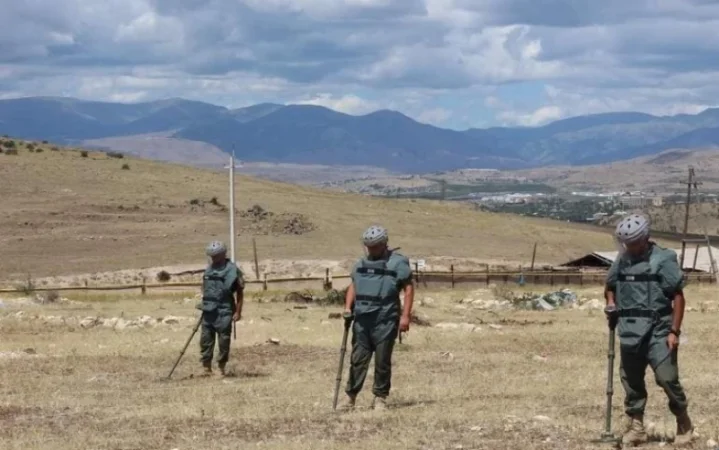
The National Mine Clearance Authority, the "Humanitarian Mine Action and Expertise Center," has summarized the activities carried out in 2024. It is noted that as a result of the non-technical research conducted throughout the year, the Republic of Armenia has seen an increase of six confirmed hazardous areas contaminated by explosive ordnance, covering a total area of 1,588,427 m².
“In 2024, mine clearance operations by the "HMACC" led to the clearance of a total of 91,948 m² of hazardous areas in the border communities of Tavush and Vayots Dzor, of which 75,186 m² were carried out under the state plan and an additional 16,762 m² as part of a state order. Furthermore, as a result of alerts received from structures of the Ministry of Internal Affairs and from individual citizens, two missile units and four 100mm shells were discovered in Vayots Dzor, Syunik, and Aragatsotn provinces. The discovered munitions were destroyed.
As of the end of December 2024, there are 114 confirmed and 22 suspected hazardous areas contaminated with mines and unexploded munitions in Armenia, covering a total area of 43,536,583 m². According to records, contamination from explosive ordnance is predominantly higher in Gegharkunik and Syunik provinces.
Alongside the mine clearance operations, experts from the "HMACC" conducted awareness-raising efforts regarding the dangers posed by explosive ordnance in Syunik, Vayots Dzor, Gegharkunik, Tavush, Armavir, Aragatsotn, Shirak provinces, and Yerevan. In total, 11,920 citizens were informed about safe behavior practices, including 10,250 through state support and 1,670 through donor assistance.
In the current year, a pilot program on “Support for the Development and Integration of Explosive Ordnance Risk Awareness into School Curricula” was launched in schools in Syunik, Gegharkunik, and Vayots Dzor provinces with a tripartite collaboration of the "HMACC," the Ministry of Education, and UNICEF. As part of this project, the "HMACC" provided professional training and certification on explosive ordnance awareness to 48 teachers in these provinces.
In 2024, there was one recorded case of injuries to citizens from mines/unexploded munitions. As of December 2024, there are 807 victims in Armenia from landmines and explosive remnants of war.
This year, the "HMACC" educational center trained representatives from various organizations involved in mine action. A total of 162 trainees received refresher training in topics such as "Manual Mine Clearance," "Explosive Ordnance Risk Awareness Trainer," "Clearing Conflict Areas," "First Aid," and "Non-Technical Survey," and were certified for one year.
For the first time in 2024, female deminers were also involved in mine clearance operations in Armenia. They received training at the "HMACC" educational center, and those who successfully passed the examinations were included in the humanitarian mine action process.
This year, the "HMACC" continued its cooperation with international organizations in the mine action sector, both within and outside of Armenia. Notably, meetings, discussions, and experience exchanges occurred with representatives from the French Republic, the United States, the Republic of Lebanon, the People's Republic of China, and the Geneva International Center for Humanitarian Demining. In this context, memoranda of understanding were signed with the Lebanese Mine Action Center and the French Association for the Safety of People, Property, and the Environment (ASPEBE).
In 2024, meetings and discussions took place under the "National Coordination Platform for Mine Action" framework with international and local interested organizations in the mine action sphere.
The "HMACC" has continuously carried out mine clearance, unexploded ordnance discovery, hazardous area marking, cleaning, and safe behavior awareness tasks throughout Armenian territory, and plans to continue coordinating and monitoring humanitarian mine action activities in Armenia in 2025, as stated in the announcement.
Նմանատիպ հոդվածներ




Ավելին Society բաժնից

ԲԱՑԱՌԻԿ ՏԵՍԱՆՅՈՒԹ․ Կիլիկիայում հնչած կրակոցներն ու «ռազբորկան» տեսանկարահանվել է

Իրանում մահապատժի են ենթարկել «Մոսադի» հետ համագործակցելու մեջ մեղադրվող երկու տղամարդու

Արփինե Սարգսյանը նոր հանձնարարականներ է տվել ոստիկանությանը․ ուժեղացվում է կանխարգելիչ ծառայությունը