What Future Awaits Christians in Syria? Observers Are Concerned
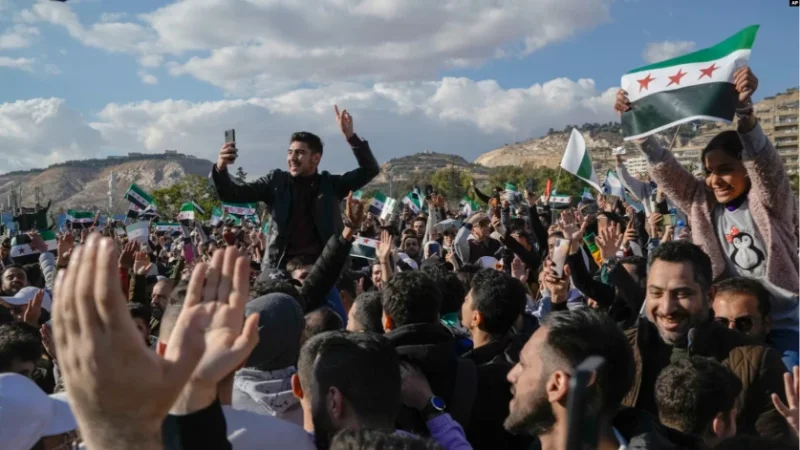
The future of the Christian minority living in Syria remains uncertain following the fall of Bashar al-Assad's regime. Despite the assurances given by the newly established Islamist powers that the rights of all individuals will be protected, observers express skepticism.
Syrians continue to celebrate the downfall of al-Assad's regime, which had been characterized by ongoing repression, the killing, and torture of hundreds of thousands of people throughout more than 50 years of the Assad family's governance. However, the situation in Syria is still unclear, particularly for Christian minorities. This also pertains to the Armenian community.
Richard Gazal, the executive director of In Defence of Christianity, noted in an interview with Voice of America that while the Syrian people are indeed free today, how they will govern that freedom remains uncertain. He stated, 'The main challenge today is to create a government that will adhere to UN Resolution 2254, which calls for the establishment of a new Syrian government that actively engages the Syrian people, is unified, and completely transparent to the international community.'
Gazal, however, is concerned about the status of Christian minorities in the country. Currently, power in Syria is concentrated in the hands of Islamists, particularly the Hay'at Tahrir al-Sham group, which has been conducting a campaign to mislead and even persuade the West.
'The fact is there is no difference between this group [Hay'at Tahrir al-Sham] and its predecessors like Jabhat al-Nusra, Al-Qaeda, or even the Islamic State. The group, along with other competing organizations, shares the same philosophy as the aforementioned factions, but has learned from the mistakes of the Islamic State and Al-Qaeda, using that knowledge in its messaging and propaganda to try to confuse and even convince the West,' Gazal said.
According to the media source's interlocutor, today the Christian minority is not subjected to widespread violence in Syria because the Islamist powers are attempting to present themselves to the world as a legitimate and legal force. 'I am concerned that over time we will witness a change in behavior. As I mentioned, they are behaving well now, but I believe that as they consolidate their power, that will gradually change,' he said.
Gazal pointed out that initial signs are already visible, including the prohibition of alcohol, the separation of men and women on public transport, and reports of the Islamic State’s flag appearing among militants in the suburbs of Damascus.
For more details, refer to the original source.
Նմանատիպ հոդվածներ

Ավելին Society բաժնից
Ուրիշ տղամարդու կողքին չէի կարող նստել, ամուսնուս վարորդ եմ ընդունել. Արմինե Կոլյան. «Հրապարակ»

Վրաստանում ձերբակալվել է 50 օտարերկրացի․ նրանց թվում են ադրբեջանցիներ և ռուսներ

Թրամփը 11 հոգու ներում է շնորհել