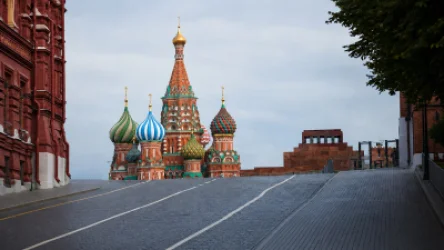
Ruble Continues to Plunge

The Russian currency is experiencing yet another serious decline. The ruble has dropped for the fourth consecutive day, hitting its lowest levels since the early days of the Russia-Ukraine war that began in February 2022. This information is reported by moscowtimes.ru.
In the Forex market, the exchange rate against the dollar has risen by nearly 5%, exceeding 110 rubles for the first time since March 2022. During the day, the euro increased by 4.4%, reaching 115.66 rubles, also a record high in the last year and a half.
“The ruble is weakening because there is demand for the currency, but supply remains weak due to sanctions against the Russian banking sector,” analysts at BCS note. Since November 21, 50 Russian banks have been placed on the U.S. Treasury's blacklist, including Gazprombank, the last major state bank allowed to conduct transactions in euros and through the SWIFT system.
“The new restrictions have further narrowed the possibilities for cross-border circulation of the currency,” BCS mentions. Following the introduction of sanctions, the yuan has appreciated by 7% in four days, the dollar by 9.4%, and the euro by 8.4%. Since the beginning of August, the exchange rate of the American currency has increased by 25 rubles or 29%, while the European one has risen by 24 rubles or 26%.
As reported by Bild, this could lead to a sharp increase in inflation in Russia. The Central Bank of Russia is attempting to counteract this by raising the key interest rate to 21%, the highest level since 2003. To prevent further devaluation of the ruble, Russian exporters may be forced to sell more foreign currency. Additionally, the recent decline in the ruble has been exacerbated by new sanctions against the Russian financial sector. According to analysts, this is causing disruptions in foreign trade, particularly for oil and gas payments.
In response, the Central Bank will continue to raise the key interest rate, potentially reaching 23% in December and possibly 25% in February, levels that are reflected in interbank quotations. However, BCS believes this is unlikely to help the ruble. “This measure was effective during a period of free capital movement. Now, there is no capital movement, and increasing the exchange rate will not help stabilize it but will create additional problems.”
Նմանատիպ հոդվածներ
Ավելին Economy բաժնից

«Ազիմուտ» ավիաընկերությունը ահազանգում է Ռուսաստանում ավիավառելիքի ճգնաժամի մասին

ԱՄՆ-ում Թրամփի նոր օրենքից հետո 4.7 միլիարդ մարդ կորցրել է սննդային անվճար աջակցությունը

Ռուսաստանի ավելի քան 50 շրջանում սահմանափակվել է բենզինի վաճառքը