‘We Are Destroying Our State with Our Own Hands’: Prime Minister
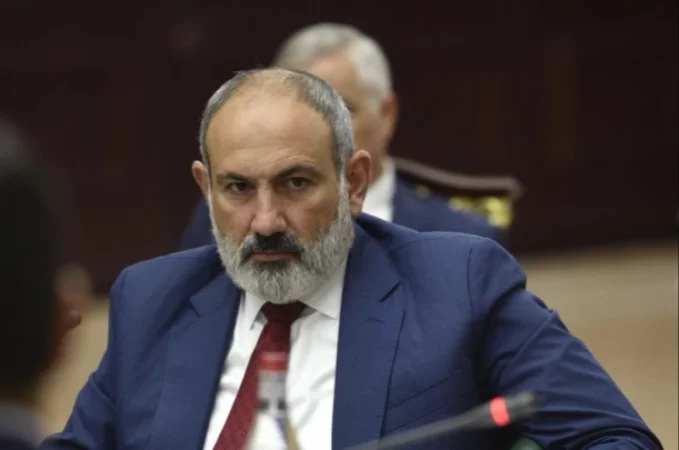
During today’s cabinet meeting on November 15, Prime Minister Nikol Pashinyan announced that a decision was made regarding the work on riverbeds as part of a package of unreported issues. He inquired with Minister of Territorial Administration and Infrastructure Gnel Sanosyan about the objectives of this decision.
“In general, we are currently thinking about placing this issue on an institutional basis. Do you remember, Mr. Sanosyan, when we went near the village of Haghartsin, we saw that the road was destroyed and looked at the riverbed? It was clear that it had to be destroyed because there was forest growing in the riverbed,” said Pashinyan.
Sanosyan responded, “For a long-term solution, we are implementing two major projects. One is in the Lori region with the Asian Development Bank, and we have allocated 1.1 billion drams in the budget for next year because we commissioned studies and proposals regarding the rivers, riverbeds, and adjacent areas. For example, we may change, widen, or elevate the road in certain places and consider how to clean the beds, what retaining walls to build; in essence, a large-scale project has been commissioned. We have also carried out a separate project related to the Agstev River, particularly in the Dilijan-Ijevan area.”
“With this project, we have singled out 25 km in the Lori region and 10 km in the Tavush region. These segments near settlements are those where there are certain obstructions due to flooding, and some cleaning work needs to be done. We will allocate 150 million for the Lori region and 70 million for the Tavush region, but we will continue some of these works in 2025,” Sanosyan further explained.
Pashinyan recalled, “I thought about Alaverdi when I visited the day after the flood, and there I saw a strange scene where a water pool had formed in a yard. I felt that something illogical was occurring because it seemed that the slope and the riverbed had been laid out such that this should not happen. Then what did we see on the ground? We saw that our dear compatriots had built garages in their yards that turned into dams. Water from the upper section flowed into the street and entered the lower section, but it had no place to exit from the yard. None of us say, ‘Okay, people,’ but how much longer? If those garages complied with urban planning norms or the law, the people and the state would not have incurred such losses, nor would there have been a need for additional expenditures.”
The Prime Minister noted that the state should not have allowed those garages to exist in the first place, and also, when this happens, the state should inform citizens, “You know what, dear citizen, you must bear the responsibility for your actions. As long as we do not have the power to tell our citizens this, we will not become a state.”
This is also related to justice. A person takes out a loan from a bank, then puts up their house as collateral, takes out another loan and invests in business. His initiative doesn’t succeed, and then I am in the region, and he gives me a letter saying that this is what’s happening, and he requests help to save his house. I want to confess to you that there has not been a single case where I have told a citizen, ‘Dear citizen, any business is a risk.’ We, as a state, until now do not have the strength or the courage to tell a citizen, ‘Dear citizen, each of us must bear the responsibility for the decisions we make.’ There are those who say, ‘Listen, I’ve organized my business successfully; my competitor has not succeeded. Now you are subsidizing and helping him because he threatens to set himself on fire. I work for myself, pay my taxes successfully; I have no problems, but why are you creating problems for me?’”
“Now people have built garages, resulting in a flood. They have suffered, yet we are still worried and saying, ‘Maybe people will be dissatisfied, huh? Perhaps we should increase something so that people do not remain discontented?’ We are destroying our state with our own hands. This is the truth. We are not empowering a person with will; we are not empowering a person with strength, and we are continuously destroying an individual's responsibility with false labels and messages of empathy, their capability to pave their own way. And this runs like a red thread through many of our decisions, because sometimes we think, ‘Well, our voter is there; they voted yesterday and will need to vote again tomorrow. What should we do? How should we act?’ I think this manner of operation must come to an end.
“Right now, I am thinking about my birthplace, Ijevan. What have we done regarding these riverbeds? What have we built, and how have we disfigured them with our own hands? And it’s normal; none of us will say anything. Because there is a choice; either I don’t know what it is, or it’s fine to close the road, and calmly, quietly, let’s do nothing. And this continues. One day, all this will yield its consequences, confront our state, and we will all fail to acknowledge what is the consequence of what and what is the cause of what,” Pashinyan concluded his remarks.
Նմանատիպ հոդվածներ
Such a Demand Will Lead to a Deadlock in the Armenia-Azerbaijan Peace Process, Says Pashinyan
Kocharian, Ohanyan, and Khachaturov to be Detained: Decision
Armenians Fear That Azerbaijan Will Seize This Route by Force, Says Iranian Ambassador to Armenia

The Future Head of the U.S. National Intelligence Visited Artsakh: Details
Ավելին Politics բաժնից
ՏԵՍԱՆՅՈՒԹ. Վիճաբանություն ԱՄՆ Կոնգրեսում
ՌԴ ԱԳՆ-ն մանրամասներ է հայտնել Լավրով-Ռուբիո հանդիպումից
Հայտնի է` որ կողմի նախաձեռնությամբ է տեղի ունեցել Ռուբիոյի և Լավրովի հանդիպումը