How Iran Is Preparing to Respond to Israel: NYT

Preparing for a possible retaliatory strike from Israel, Iran has ordered its armed forces to be ready for war; however, this scenario is not preferred by the Islamic Republic, The New York Times reports, citing sources among Iranian officials.
According to NYT's interlocutors, Iran's Supreme Leader Ayatollah Ali Khamenei has instructed military officials to devise several military plans to respond to an Israeli attack. The scale of any potential Iranian reprisal, they said, will largely depend on the severity of Israel's assaults. For instance, if Israel limits its attack to a few military bases and depots storing missiles and drones, Iran will likely take no action, sources have reported.
At the same time, according to the Ayatollah's orders, the strongest response will be given to attacks against oil or nuclear facilities, or the assassination of high-ranking officials. Possible measures, according to sources within the Islamic Revolutionary Guard Corps (IRGC), include launching up to a thousand ballistic missiles, escalating attacks by Iranian proxies in the region, as well as disrupting global energy flows and navigation in the Persian Gulf and the Strait of Hormuz.
“Iran does not actually want to engage in a full-scale war with Israel. We see no benefit in the volatile escalation of the region,” emphasized political analyst Nasser Imani, who is close to the Iranian government, in an interview with NYT. He noted that Iran does not perceive war with Israel as an existential threat but believes that a protracted conflict would be devastating and would derail the new government's plans for negotiations with the West.
Relations between Iran and Israel have sharply deteriorated since the outbreak of war in the Gaza Strip. Since then, both sides have repeatedly accused each other of provocations and attempts to unleash a major war. In April, Israel attacked the Iranian consulate in Damascus, resulting in the deaths of two senior IRGC generals. On April 14, Tehran retaliated by attacking Israel with 170 drones, over 30 cruise missiles, and more than 120 ballistic missiles. Reports indicate that 99% of the targets were intercepted by the Israeli military.
On the night of July 31, an explosion at Tehran’s residence resulted in the death of Hamas leader Ismail Haniyeh. Iran blamed Israel for the incident and promised a response, which, however, did not follow immediately. Only after the start of Israeli operations in Lebanon, Iran launched another massive strike against Israel. Israeli media reported that as many as 500 missiles could have been launched.
The IDF has promised a serious response following Iran's attack. Potential targets of Israeli retaliation could include Iran's oil and nuclear facilities, according to the Axios portal. Tehran has warned that if Israel decides to respond to the attacks, it will face additional crushing and devastating assaults.
Նմանատիպ հոդվածներ
Ավելին Politics բաժնից
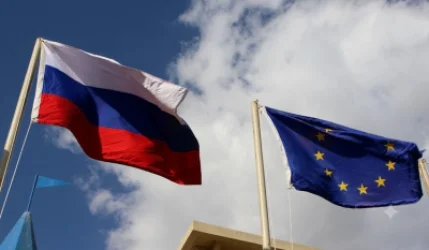
Ռուսաստանից զգուշացնում են Եվրոպայի հետ առճակատման ռիսկերի մասին

«Միասնության թևեր»-ը դիմել է ընտրություններին մասնակցած կուսակցություններին

Մենք չենք կատարի որևէ քայլ, որը կվտանգի մեր երկարամյա դաշնակիցների անվտանգությունը. Ռուբիո