Women in Armenia Earn Less Than Men for the Same Work
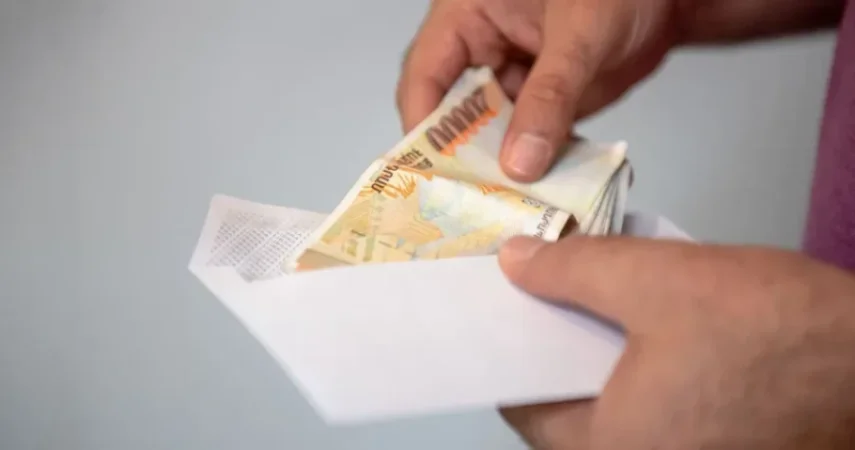
In Armenia, fewer than half of working-age women are included in the labor force, primarily due to responsibilities for childcare and caring for family members with disabilities. Women participating in the labor market earn, on average, 25-30% less than their male counterparts doing similar work. This is stated in a report published today by the World Bank.
The World Bank's "Armenia: Country Gender Assessment" report indicates that despite the low level of participation of women in the labor market, 68% of women are obtaining higher education compared to 52% of men. The assessment suggests feasible policy recommendations to promote systematic change.
“Armenia is losing important growth dividends by not encouraging more women to join the labor force. Achieving gender equality in labor force participation can increase Armenia's GDP by 4 to 6%. Ensuring equal pay should be a significant part of strategies to encourage women’s participation in the labor force. Currently, women earn about 70% of the hourly wage paid to men for the same job,” said Carolyn Geginat, the head of the World Bank’s office in Armenia.
The report also highlights the low participation rate of men in higher education, which remains around 44% (compared to the inclusivity rate of 65.1% for women). Men are also affected by higher mortality rates in adulthood. Despite their considerable human capital potential, women remain underrepresented in decision-making functions, including positions such as ministers, deputy ministers, and mayors. Currently, women make up 35.5% of the National Assembly, while only 17% of ministers and 18% of deputy ministers are women.
Considering the higher educational qualifications of women, societal perceptions regarding gender roles, rather than actual skills, affect trends in the labor market for women. Although the number of women in fields such as science, technology, engineering, and mathematics (STEM) has increased over time, they are still concentrated in traditionally low-paid sectors, such as education and social work, while men dominate areas like engineering and technology.
The report also emphasizes that gender-based violence persists in Armenia, representing a serious yet underreported issue. For instance, 18% of women aged 15-59 who have ever had a partner have experienced domestic violence during their lifetime.
The "Armenia: Country Gender Assessment" report presents updated facts regarding the gender gap. It also provides policy-level recommendations that could help close the remaining gender gaps in Armenia, such as addressing social norms and bridging gaps in the legislative framework and policy implementation,” noted the lead author of the report, World Bank economist Natsuko Kiso Nozaki.
To increase the number of women in the labor force, it is essential to promote a more equitable distribution of caregiving responsibilities and encourage men to take on such roles. Effective interventions include:
- Raising awareness of the positive aspects of women’s employment.
- Improving the availability and accessibility of childcare services.
- Providing vocational training opportunities, especially in sectors where women have traditionally been underrepresented.
To achieve gender equality in education and employment, it is necessary to:
- Encourage men to value higher education for better opportunities.
- Encourage women to study STEM subjects in school.
- Improve the availability and relevance of training to ensure a smooth transition from school to work for both girls and boys.
Ensuring equal pay for equal work can also help overcome the wage gap based on gender. To advance women into leadership roles, gender-sensitive education must be implemented, investment in training and development for talented women should be made, and exemplary roles should be implemented that inspire women and gain public support.
The World Bank group is committed to accelerating gender equality through projects and various initiatives within the framework of the recently published World Bank Gender Strategy for 2024-2030.
Նմանատիպ հոդվածներ




Ավելին Society բաժնից
Ինչպիսի՞ն է եղել մասնակցությունը նախորդ ընտրություններին. «Փաստ»
ՄԻՊ-ը հոգացել է՝ հացադուլի մեջ գտնվող Օսիպյանի զբոսանքի իրավունքն իրացվի

ԲՀԿ քարոզչությանը քաղաքացուն վրաերթի ենթարկած վարորդը ձերբակալվել է