Heavy, Uncertain and Waiting Situation: Details from the Armenian Community in Lebanon
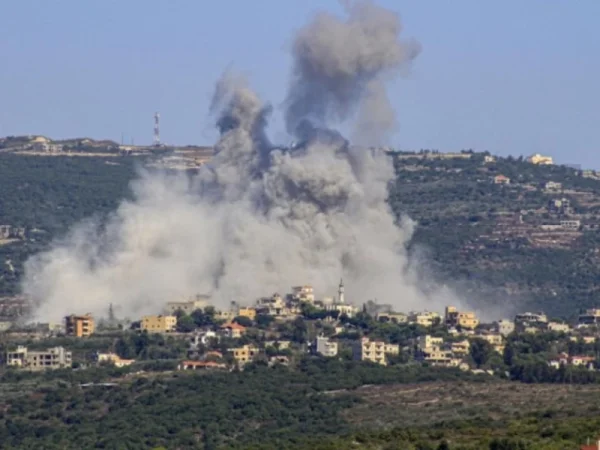
The military operations in Lebanon are taking place in the southern regions and the suburbs of Beirut, from where tens of thousands of internally displaced persons are moving to relatively safer areas of the country. This was stated by Shahen Ghantaharyan, editor-in-chief of the Armenian newspaper "Azdak" published in Beirut, in an interview with Armenpress regarding the situation created by the military operations in Lebanon in recent days.
“In addition to the security situation, a humanitarian crisis is also predictable, because collective shelters, medical assistance, medicine, and food are needed,” Ghantaharyan elaborated.
Referring to the Armenian community, he noted that the Armenian neighborhoods and national institutions are located far from the areas of military operations; however, it cannot be ruled out that the wave of refugees might reach Armenian-populated areas as well. “In order to discuss the situation and prepare for various scenarios, Armenian political parties have convened meetings. Representatives of Armenian charitable organizations have discussed issues related to resolving the living conditions, medicine, and food for potential refugees reaching Armenian-populated areas,” he said.
According to Ghantaharyan's description, the situation in Lebanon is very heavy, uncertain, and one of waiting. “Israel has set the task of restoring peace and security in its northern region, which implies the return of the displaced population from northern Israel. They consider the creation of a buffer security zone in southern Lebanon as a precondition for that,” said the international relations expert, adding that beyond southern Lebanon and the suburbs of Beirut, other regions have also been targeted, including those inhabited by Christians, where there are Shiite villages and a Hezbollah stronghold.
According to Ghantaharyan, the main targets are the military facilities and leaders of Hezbollah. He observed that despite the international community beginning to call for a halt to a large-scale regional war and establishing a ceasefire, such trends are not yet visible. “Israel has reversed the situation to the extent that if there were a ceasefire in Gaza, there would, of course, also be a ceasefire in southern Lebanon. However, in the case of Gaza, there is a huge wave of domestic protests, while in the direction of Lebanon, there is a noticeable public support sentiment regarding the war against Hezbollah,” Ghantaharyan clarified.
For more details, visit the original source website.
Նմանատիպ հոդվածներ
Ավելին Society բաժնից
Պաշտպանության և ՆԳՆ նախարարները վերանշանակվելու են
Ես Գարեգին Երկրորդի անունով կաթողիկոս չեմ ճանաչում. Նիկոլ Փաշինյան

Փաշինյանն անդրադարձել է Հայկ Կոնջորյանի եղբոր հետ կապված միջադեպին