Putin's Visit to Baku Triggers Iran-Russia Tensions Over the 'Zangezur Corridor': JF
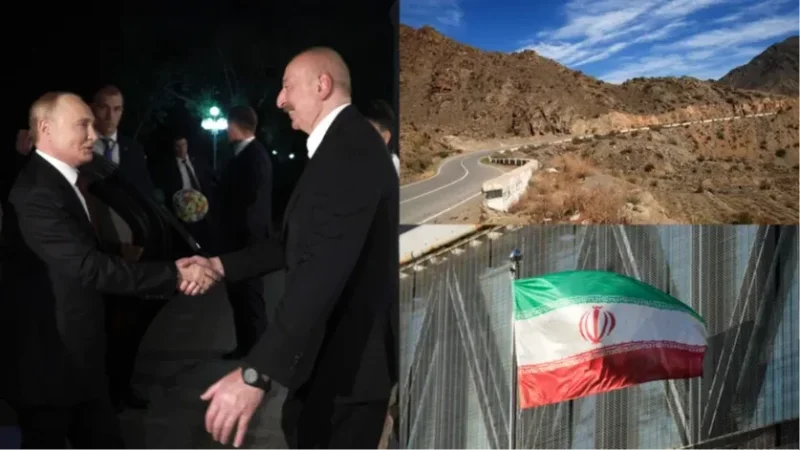
The American Jamestown Foundation research organization has published an extensive article titled "Putin's Visit to Baku Triggers Iran-Russia Tensions Over the Zangezur Corridor."
"Putin's visit to Azerbaijan (August 18-19) demonstrates how Russia seeks to maintain its influence in the region, which could lead neighboring states, Iran and Armenia, to feel threatened. Contrary to local observers' expectations, the visit did not bring any significant agreements or politically binding economic obligations. Several statements were made regarding joint initiatives, including cooperation in food security, the establishment of a Russian-Azerbaijani university, and the joint production of oil tankers. Given the modest nature of the agreements reached, many local and international observers interpreted the main motive for Putin's visit as a demonstration that Russia has friends and allies and is not as diplomatically isolated as the West would like to see," the article states.
It notes that the relations between Russia and Azerbaijan have entered a crisis phase with Iran following Putin's visit to Baku. This is due to Russian Foreign Minister Sergey Lavrov's comments in Baku regarding the "Zangezur Corridor," stating that it is a planned transport route connecting Azerbaijan with Nakhchivan through Armenia's Syunik region. Emphasizing the implementation of the trilateral agreements signed in 2020 and 2021 by Russia, Armenia, and Azerbaijan, Lavrov accused Yerevan of sabotaging the agreements signed by Prime Minister Nikol Pashinyan concerning transport routes through Armenia’s Syunik region.
"Lavrov's statement caused a significant uproar in Armenia. The Armenian Foreign Ministry described it as 'false, clearly biased, and... disrespectful.' The disagreement over the route has sparked clashes between Moscow and Yerevan, and this tension is expected to increase in the coming months," the article continues.
It mentions that the deployment of Russian border troops in the "Zangezur Corridor" is of vital importance for the Kremlin to maintain its influential role in the region.
Regarding Iran's reaction, various Iranian officials and media have continuously criticized Russia's efforts towards establishing the "Zangezur Corridor" since Putin's visit, interpreting it as a geopolitical maneuver that would cut Iran's border with Armenia. On August 29, Maria Zakharova, spokesperson for Russia's Foreign Ministry, remarked that Russia is aware of Iran's concerns, adding that "Russia believes the relevant agreements should be implemented by mutual agreement and acceptable terms."
"This should be done in a way that serves the interests of Armenia, Azerbaijan, and their neighboring countries—Russia, Iran, and Turkey," Zakharova stated.
This statement did not allay the Iranian side's concerns. On September 3, the Russian ambassador in Tehran was summoned to the Iranian Foreign Ministry, where he was informed that "Tehran opposes any changes to internationally recognized borders and geopolitical changes in the region." In one of the recent statements from Iranian officials on this topic, the Iranian ambassador to Armenia stated: "All dreams and illusions concerning the Zangezur Corridor will never come true. We are confident that all control should be exercised by the Armenian government under its sovereignty."
"We warn those pursuing such illusions that the consequences of these decisions will be severe and costly," threatened Ebrahim Azizi, head of the National Security and Foreign Policy Commission of Iran's Parliament.
"Despite Iran's consistent concerns regarding the 'Zangezur Corridor,' this is the first time its criticism has been openly directed at Russia. A key question arises: why now? Perhaps Iranian authorities think Russia is about to take specific steps towards implementing this transit route, or the criticism may simply be a manifestation of deeper tensions between Moscow and Tehran. Another question relates to the fact that Russia already has border guards stationed along the Armenia-Iran border. Iran may also be concerned about the strengthening of Russia's military presence near its border. While the answers to these questions are unclear at this stage, Tehran's opposition to the deployment of Russian border guards in the Zangezur Corridor complicates negotiations regarding the reopening of regional transportation routes and is likely to create more problems between Moscow and Tehran," concludes the Jamestown Foundation.
Նմանատիպ հոդվածներ

Ավելին Politics բաժնից
Կալուգացի շպիոնը գետնի տակ է անցել. Չախոյան
ՀՀ ընտրությունների վերաբերյալ կարևոր որոշում է կայացվել

Թրամփը փոշմանե՞լ է Իրանին հարվածելու մտադրությունից