The Number of Sunspots Has Reached a 23-Year High: What Does This Mean?
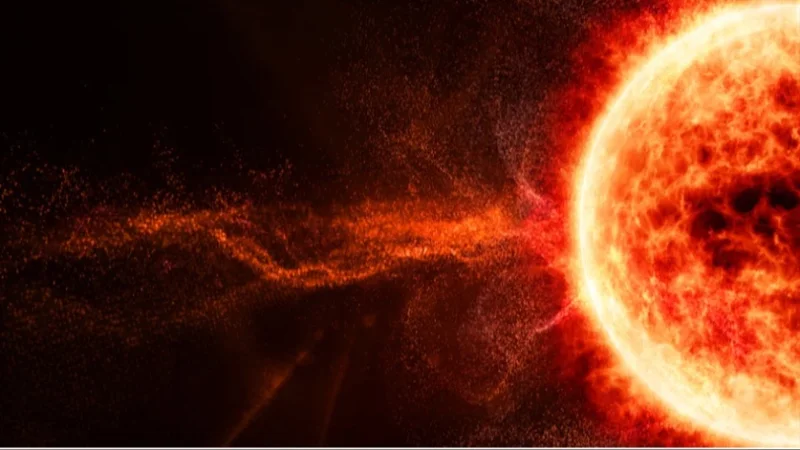
New data has revealed that the average daily number of sunspots recorded in August of this year reached a 23-year maximum. Moreover, the number of spots is almost double what scientists had predicted, reports Live Science.
This may indicate that the solar maximum—the peak of solar cycle activity—has already begun and will be more intense than previously forecasted. Sunspots are areas on the solar surface where electromagnetic radiation eruptions break through the star's magnetic field, creating relatively cooler regions. Due to an optical illusion, they appear black.
The frequency and intensity of eruptions, along with the number of sunspots, indicate the phase of the sun's 11-year activity cycle. During the sun's least active phase, or solar minimum, there are very few or no sunspots at all. However, as the sun's magnetic field becomes tangled and weakens, the number of spots increases and reaches its peak during the solar maximum. At this point, the magnetic field undergoes a reversal, leading to a decline in activity and a decrease in the number of spots. The entire cycle then repeats itself.
In August of this year, the average number of sunspots was 215.5 per day. The last time the number of sunspots was this high was in September 2001, during the 23rd cycle peak, when the daily average reached 238.2. This time, the number of spots peaked on August 8, when 337 sunspots were recorded, marking the highest total in a 24-hour period since March 2001.
This indicates that the sun has entered its maximum period. However, it will only be clearly known when the number of spots begins to decline.
Նմանատիպ հոդվածներ




Ավելին Society բաժնից

Ինչպիսի՞ն է եղել մասնակցությունը նախորդ ընտրություններին. «Փաստ»

ՄԻՊ-ը հոգացել է՝ հացադուլի մեջ գտնվող Օսիպյանի զբոսանքի իրավունքն իրացվի

ԲՀԿ քարոզչությանը քաղաքացուն վրաերթի ենթարկած վարորդը ձերբակալվել է