What Determines the Increase in Floods in the Future
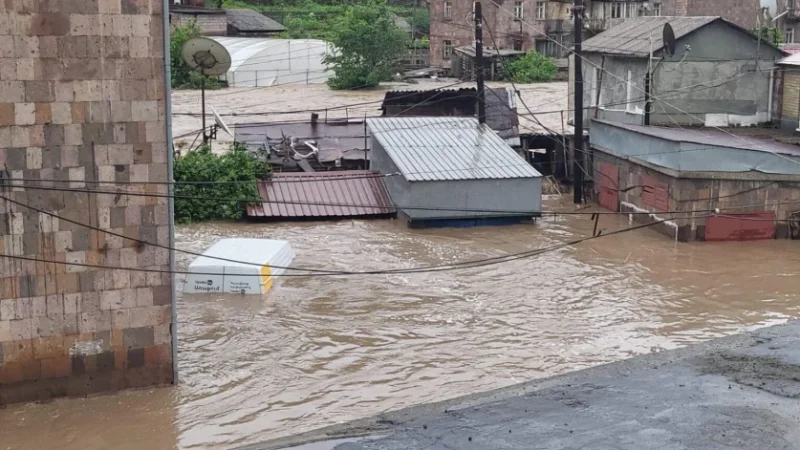
The director of the Hydrometeorology and Monitoring Center, Levon Azizyan, writes on his Facebook page that scientists from the University of Bristol in the USA have developed a new global model for flood forecasting for the period up to the end of this century, based on various climatic scenarios. In their work, they utilized a new global flood map with a resolution of approximately 30 meters, which completely covers river, pluvial, and coastal hazards for any time period or climatic scenario.
The research has shown that the frequency of future natural disasters depends on the implementation of measures aimed at reducing carbon dioxide emissions. For instance, if all obligations are met, the average risk level of flooding will increase by only 9% by 2100; whereas, if they are not implemented, it could rise by 49%. Floods are expected to become more frequent and intense in the coastal areas of Southeast Asia and the islands of the Pacific Ocean. The scientists' research has been published in the journal Water Resources Research.
For a shorter-term forecast, the risk of natural disasters is projected to increase by 7% in a low-emissions scenario and 15% in a high-emissions scenario by 2050. Researchers note that this average global figure actually has significant spatial variation. In some regions, the flood risk decreases, while in others, it increases several times compared to the global average, even under emissions reduction scenarios.
According to the scientists, coastal areas will face the greatest problems regarding flooding in the future, regardless of adherence to global carbon emission norms. Even under a low emissions scenario, it is expected that the incidence of coastal flooding will nearly double by 2100. The authors of the study attribute this to the inertia processes of rising sea levels in response to global warming.
Additionally, the researchers found that rainfall-induced floods are especially dependent on climatic changes and, under the best-case scenario, their number is expected to increase by 6% by 2100, while in the worst-case scenario, by 44%. Such floods are forecasted to become more frequent in the tropical regions of Africa and Asia, as well as in the arid areas of North Africa. The largest floods in terms of area are anticipated along the northern coasts of the Atlantic and Indian Oceans, as well as in Southeast Asia and the Pacific island regions.
The study has shown that the frequency of future floods depends on the reduction of greenhouse gas emissions. The authors hope that the new modeling of natural disasters will assist countries in developing additional measures to protect critical infrastructure from future floods, aid citizens, and enforce emissions reduction regulations.
Նմանատիպ հոդվածներ




Ավելին Society բաժնից

Վարորդների և հետիոտների համար կարևոր փոփոխություն՝ Երևանում
Ծառուկյանի ընկերությունների աշխատակիցները կառավարության մոտից գնացին ՊԵԿ

Սկսվել է առաքման ոլորտի կարգավորմանն ուղղված լայնածավալ վերահսկողությունը