Veolia Water Company Issues Statement
Veolia Water Company has issued a statement in response to an interview given by Yerevan Mayor’s advisor Kamo Areyan to Radio Azatutyun. The statement outlines the company’s perspective on several unilateral opinions presented by Areyan, clarifying that the scope of obligations set forth by the Rental Agreement is, in fact, much more limited than what Mr. Areyan suggests.
Initially, in 2017, the baseline loss rate was recorded at 81.6%, indicating the poor condition of the system. Even if some losses pertain to commercial-related issues, a significant portion appears to stem from the system’s wear and tear. Additionally, decades of natural wear and tear have been compounded by issues arising from both natural phenomena (such as landslides affecting sections of the Garni and Arzni pipelines) and human intervention (for example, illegal landfills on the Arzni gorge and the Aparan pipeline).
Nonetheless, according to Appendix 6 of the Rental Agreement, the target for unaccounted-for water (loss) by 2031, which is the end of the contractual year, is set at 55%. The company states that it has already achieved this target.
The company is trying to balance two conflicting realities: on one hand, it must ensure the performance of the Rental Agreement regarding unaccounted-for water (loss), which would incur penalties if not met; on the other hand, the company must execute water outages for the repair of network failures to meet this performance indicator. While the landlord regularly expresses dissatisfaction with the level of losses, subscribers complain about the frequent unavoidable water outages, yet it is clear that significant and continuous capital investments in the system are necessary for a fundamental solution to these issues.
Numerous materials depicting the dismal condition of urban (especially Yerevan) and rural distribution networks have been communicated to the landlord. The company’s obligation for capital works under the rental agreement is capped at 45 billion drams (VAT included) over the course of 15 years, covering the entire service area of Yerevan and 45 urban communities and 334 rural communities.
In various official and working discussions, the company has highlighted the need to accelerate investment volumes and timelines to meet the water demand of the population. However, it should be emphasized that the rental agreement is not solely intended to service the city of Yerevan. The impression left by Mr. Areyan’s interview is that this agreement is exclusively aimed at Yerevan. In reality, the water supply issues in other communities are even more acute than those in Yerevan, and the company cannot direct investments solely towards Yerevan due to contractual obligations requiring equitable development across the system.
Despite these limitations, the company has managed to reduce purely physical water losses by 14.6% through its realized strategies and investment plans (with the baseline water extraction level being 618 million cubic meters, reduced to 528 million cubic meters by 2024). Simultaneously, commercial losses have decreased by approximately 43% (with the baseline for sold water being 116 million cubic meters and increasing to 166 million cubic meters by 2024). This indicates that the company has successfully restored 140 million cubic meters of both technical and commercial losses.
However, these achievements cannot mitigate unpredictable climatic changes that are leading to year-by-year decreases in water discharge from sources. In response to Mr. Areyan’s comments regarding unused sources for ensuring water quantity, it should be noted that there is a downward trend in the discharge of water sources that feed the system, with a recorded decrease of 700 liters per minute from self-flowing sources compared to 2017, and a decrease of 154 liters per minute compared to 2023. Alongside self-flowing water extraction, mechanical (pump-assisted) water extraction has also decreased, reflecting lower volumes compared to previous years.
Analysts indicate that estimates show that the consumption of underground waters formed in the Armenian volcanic plateau has decreased by about 30-33% compared to 2013. The increasing rate of decline in the consumption of water sources leads to disruptions in water supply systems. Moreover, the unprecedented pace of construction development has resulted in a sharp increase in the number of consumers, creating additional water demand that could lead to water shortages and necessitating enhanced infrastructure.
According to our calculations, between 2017 and 2024, more than 2,500 liters per minute of technical conditions for water extraction have been granted solely to economic entities, representing around 33% of water supplied to Yerevan. Evaluating the current trends of city development, the company expresses concern that, under the current investment policy, it will be problematic to secure the additional water demand in the future.
Taking this into account, the company has proposed that a strategic reserve for the city be formed, meaning new water sources should be engaged, such as approximately 350 liters per minute from the Makravan spring, 700 liters per minute from the Arzakan-Solaki spring, among others, which must be financed through alternative sources. Otherwise, we must anticipate a scenario where the company can only address losses solely based on its financial resources.
Nevertheless, the company remains committed to its contractual obligations and continues its daily efforts to identify losses through other initiatives as well. Regarding the criticism that the company does not register and service the entire network, it must be reiterated that the company is contractually mandated to incur expenses only on properties assigned to it by a Government resolution. No matter how much will and desire Veolia may have, it is regrettable that any operation and maintenance require significant expenses that fall outside the company’s discretion.
Moreover, it should be noted that the counterparty in the Rental Agreement is the Water Committee, which is the accepting entity for the property and then entrusts it to Veolia for operation. Yes, Mr. Areyan is correct that there are vast volumes of activities to be undertaken in sewer and drainage systems, but the scale of necessary investments (capital expenditures), calculations, and pricing for these are not provided for in the existing contract. The company manages and operates only what has been entrusted to it as per the contract concerning pipelines, sewers, and drainage systems. Therefore, we believe that criticizing Veolia’s work in this manner and raising complaints are at least unfair.
Based on the evaluation of the works executed by the company and the system under its jurisdiction, the company has submitted a proposal to the Government to amend the current agreement to enable faster investment in the water system, thereby mitigating the impact of reduced source flows due to climate change.
As is already known, discussions are currently underway with the RA government and other interested state bodies, and Veolia Water Company proposes a patient wait until the discussed package reaches its final form, after which we are confident that an objective evaluation of Veolia’s performance will be provided. Particularly since this should be given by the counterparty, the Water Committee. Let’s wait for the results.
Dear journalists, we believe that the above largely responds to all your inquiries directed towards the company in recent days. Taking this opportunity, we present all the water construction works that the company has executed only in 2024 in Yerevan and the regions, aimed at ensuring quality and regular water supply and reducing water loss.
Նմանատիպ հոդվածներ




Ավելին Society բաժնից
ՊԵԿ-ում խոստացել են արագացնել Ծառուկյանին պատկանող օբյեկտների փորձաքննությունները
Արարատի մարզում վերականգնվել է 122 միլիոն 556 հազար դրամ, դատարան է հանձնվել ծանր և առանձնապես ծանր հանցագործություններով 42 քրեական վարույթ. Գլխավոր դատախազություն
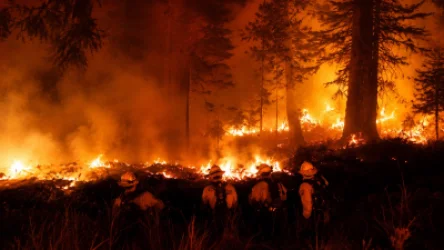
Ֆրանսիայում անտառային հրդեհների գործով զանգվածային ձերբակալություններ են