Ancient Cemetery Dating to the First Half of the 3rd Millennium BC Discovered at Artanish-9 Site

The ongoing archaeological excavations at the "Artanish-9" site, located between the Shoghakat and Artanish communities in the Gegharkunik Province, have yielded interesting and new findings, enhancing the results from excavations conducted between 2020 and 2023. According to Hasmik Simonyan, a member of the archaeological team and an archaeologist, the excavations have been carried out by the Institute of Archaeology and Ethnography of the National Academy of Sciences of Armenia in collaboration with Martin Luther University Halle-Wittenberg in Germany, under the joint leadership of Arsen Bobokhyan and Rene Kunze.
The excavations and geophysical studies have provided extremely important results and information about a settlement founded around 5,000 years ago on the northeastern shore of Lake Sevan, specifically in the Artanish Peninsula, which was inhabited for about two centuries. A settlement from the Early Bronze Age and a cemetery dating to the first half of the 3rd millennium BC have been uncovered at the site.
“Archaeological monuments on the northern and northeastern shores of Lake Sevan have been studied very little, and in this regard, the discoveries of our expedition acquire extremely important value and significance. Our team conducted reconnaissance work in this area in 2015, uncovering rich archaeological materials at the "Artanish-9" site, where excavations began in 2020. Both this year and previous years have yielded excellent results,” Simonyan noted.
It is significant that this is currently the only excavated site on the northeastern shore of Lake Sevan associated with the last phase of the Kura-Araxes culture, dating to the 3rd millennium BC. Excavations have shown that the dwellings in the settlement featured a round layout, stone foundations, and clay floors. A clay hearth was also discovered in the center of one of the dwellings. The walls have remained in fairly good condition, with a preserved height of up to 1 meter.
The data obtained indicate that the western part of the hill was inhabited first, which gradually expanded to the eastern part. The settlement was active during the 28th-26th centuries BC, after which it was abandoned. “This is our current hypothesis, as we have not yet discovered evidence of fire, destruction, or hostile attacks. After the settlement was abandoned, early Middle Bronze Age culture bearers used the area for burial purposes. Last year's excavations revealed human burials due to wall damage in one of the dwellings, and we needed to determine whether we were dealing with a multilayered cultural monument or simply the customs of a society carrying the Kura-Araxes culture, where burials were conducted beneath the floor of houses. This year’s excavations confirmed that the burials belong to the 13th-14th centuries AD, during the Mongolian period, and that people were buried on their right side. Several burials from the same period are also located in the central area of the site, close to the Middle Bronze Age cemetery. This suggests that after the inhabitants left this ancient settlement, the area was used for burials by people from a completely different culture living nearby,” Hasmik Simonyan presented.
Նմանատիպ հոդվածներ
Kindergarten Employee Arrested for Assaulting Child: Ministry of Internal Affairs
Two Groups Attack Police Officers in Kotayk Region
Police and NSS Detain Arsen, the 'Kimzavod Karateka' in Vanadzor with Firearm
Altercation and Brawl in Ararat Region: Dispute Between 22-Year-Olds Escalates into Violence with Arrests Made
Ավելին Society բաժնից

ԵՄ-ի 18 միլիոն եվրոյի աջակցությունը որտե՞ղ կծախսվի. Փաշինյանը պարզաբանեց
ՏԵՍԱՆՅՈՒԹ․ Եթե IMEI համակարգը սպառնում է մեր քաղաքացիների ազատություններին, մենք այն չենք ներդնի․ Փաշինյան
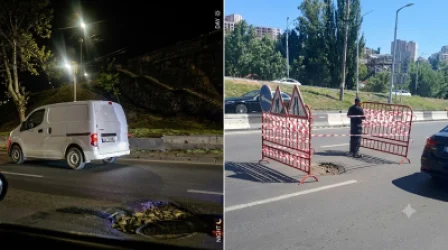
ՏԵՍԱՆՅՈՒԹ. Ավանում՝ վտանգավոր դիտահոր. «Վեոլիա Ջուրը» խոստանում է շուտափույթ լուծում