The 'Publicity' Bluff of Visa Liberalization: 'Fact'
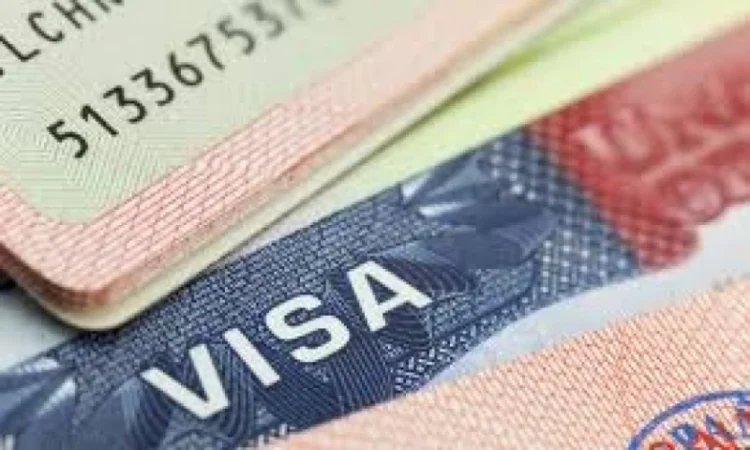
At the beginning of this year, it was reported that the West is providing certain "bonuses" to Nikol Pashinyan to help him gain internal legitimacy in order to fully implement the policies for which he was brought to power. This phase involves organizing a referendum on a new Constitution, expelling Russia from the region as quickly as possible, and making new concessions in relations with Azerbaijan. It was noted that among other "bonuses," negotiations on visa liberalization with the EU could be accelerated. However, before addressing this issue, it is important to emphasize that other forms of support, particularly financial assistance in the form of various grants and loans, hold a significant place in this context, as stated by the newspaper 'Fact.'
However, with a few million dollars in support, it is impossible to weaken Armenia's ties with the EEU market, as that assistance is negligible compared to the enormous trade turnover Armenia has with Russia. Interestingly, the EU does not wish to support Armenia's economic development or open its market for the export of Armenian goods. A few years ago, Armenia was excluded from the EU's "Generalized Scheme of Preferences Plus" (GSP+), which allows low and lower-middle-income countries to export over 6200 products to the EU market at zero or reduced tariffs.
The EU consistently emphasizes its support for Armenia's European aspirations but does not take economic steps in this direction. There are no negotiations ongoing for Armenia's return to the GSP+ system or for creating a different preferential system. Instead, the issue of visa liberalization has been prioritized, a topic that has been under discussion since 2017, when Armenia signed the Comprehensive and Enhanced Partnership Agreement with the EU.
Recently, following the adoption of a resolution by the European Parliament considering the possibility of Armenia's candidacy for EU membership, the EU approved a proposal from the European Commission to begin negotiations on visa liberalization with Armenia at the ambassadorial level of all EU member countries. In the aftermath of this decision, the pro-government and pro-Western segments of Armenia have created such a propaganda background that it seems as if the visa liberalization issue is just a matter of months, and Armenian citizens will be able to pick up their passports and freely visit EU member countries as of January 1.
However, those who do not understand the real process may face a cold shower, as negotiations surrounding visa liberalization imply a protracted process, and the results will not be immediately visible. In the case of some countries, such as Moldova, negotiations took 3 to 4 years, for Georgia, 5 years, and for Ukraine, 9 years. Negotiations with Turkey have been ongoing for over 10 years, and each country navigates this path differently depending on its relationship with the EU. It is natural that in Armenia's case, negotiations may also extend over years.
During negotiations, concerns have been expressed by the EU regarding the potential for a large number of people from Armenia to move to Europe and not return, taking advantage of visa liberalization. Another issue is that the EU imposes specific requirements for visa liberalization, some of which may lead to conditions that are not worth fulfilling for Armenia. For instance, among the requirements that may be presented to Armenia could be complete distancing from Russia, severing economic ties with the Russian market, making concessions to Azerbaijan on border delimitation, agreeing to the opening of the so-called “Zangezur corridor,” amending the Constitution based on Turkish-Azerbaijani agreements, and so on.
There may also be "unwritten" requirements that will compel Armenia to take certain steps. In summary, we are currently dealing with a simple 'publicity' bluff, as there are no clarifications in this matter, nor can there be in terms of either timelines or, even more so, outcomes.
Նմանատիպ հոդվածներ
Azerbaijan Invites Armenia to Attend COP29 in Baku: Hajiyev
Trump: 'I Will Prevent World War III'
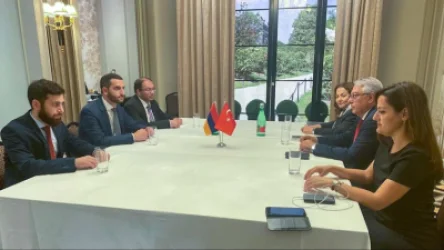
Special Representatives of Armenia and Turkey to Meet on July 30: Armenian Foreign Ministry
Armenian Authorities Aware of Upcoming Azerbaijani Actions but Instructed to Declare No Response: Russian Diplomat's Leaks
Ավելին Politics բաժնից
Կարևոր ուղերձ՝ ՌԴ–ՀՀ հարաբերությունների ֆոնին
ՌԴ-ն պնդում է` ամերիկյան միջուկային զենքը պետք է դուրս բերվի Եվրոպայից
Վերահաշվարկից հետո կուսակցությունների ձայների հաշվեկշռում փոփոխություններ են արձանագրվել