Peace Between Armenia and Azerbaijan is a Noble Objective, but Its Price Can't Be Ethnic Cleansing in Artsakh: Washington Examiner
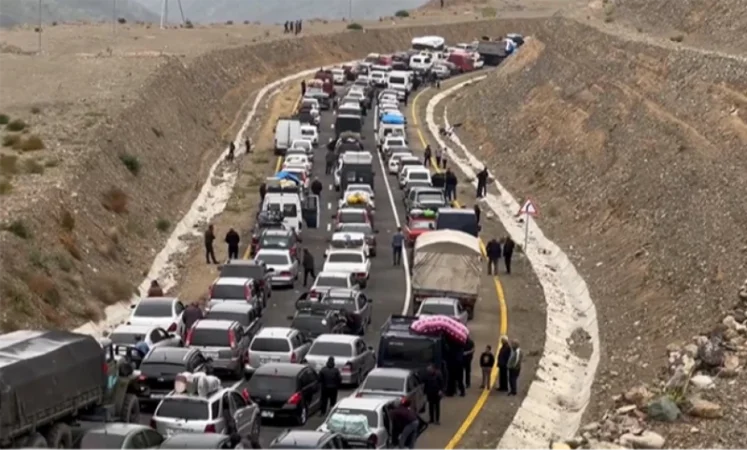
The American magazine Washington Examiner has published an article titled "Ethnic Cleansing Cannot Be the Price of Sustainable Peace Between Armenia and Azerbaijan," emphasizing that the historic region of Nagorno-Karabakh, transferred to Azerbaijan by Soviet leader Joseph Stalin, holds significant importance as it is the "birthplace of the democratic movement." Political analyst Michael Rubin recalls that the democratic movement, which set in motion the collapse of the Soviet Union, began in Stepanakert, the capital of Nagorno-Karabakh.
“When the Soviet Union collapsed, the local Armenian population asserted its constitutional right to autonomy first through mediation and then via a referendum. Azerbaijan rejected this regional autonomy and attempted to crush it by brute force, but to no avail. Azerbaijan's army was repelled, and Nagorno-Karabakh enjoyed nearly three decades of real parliamentary democracy in a region where democracy, at least until 2018, was either absent or unstable. The region's self-governance ended on September 19, 2023, when Azerbaijani forces invaded, destroying one of the world's oldest Christian communities,” the author writes.
He emphasizes that the Azerbaijani invasion occurred just four days after Acting Assistant Secretary of State for European and Eurasian Affairs Yuri Kim assured senators that “the United States would not tolerate any attempt at ethnic cleansing of Armenians in Nagorno-Karabakh.”
“He was lying, but he was not alone in this. Even as Aliyev was humiliating U.S. envoys, Secretary of State Antony Blinken continued to facilitate the flow of aid and military equipment to Baku. Freedom House reported this week that “the documented actions of Azerbaijan meet the criteria for ethnic cleansing.” If that’s the case, why are Blinken, National Security Advisor Jake Sullivan, and USAID Administrator Samantha Power so ambivalent about genocide? There’s no doubt: the decision from the U.S. to appease Azerbaijan is coming from the top,” the analyst points out.
In this context, Rubin recalls that on May 4, U.S. Ambassador to Azerbaijan Mark Libby stated he saw no reason to go to Shusha. The author suggests that someone in Washington noticed Libby's act of rebellion, as two days later the ambassador not only visited Shusha, but also omitted any mention of ethnic cleansing and the destruction of churches and Christian monuments, instead stating that he was impressed.
“And it’s not just the State Department that is showing deference to Aliyev. On June 26, the U.S. European Command congratulated the Azerbaijani army without mentioning the videos of rapes, mutilations, and the execution of captured Armenian soldiers and civilians. Perhaps President Joe Biden’s team believes all of this is worth the price at which the U.S. can reach a final peace treaty that will permanently resolve the Armenia-Azerbaijan conflict,” the author writes.
According to him, all three of Biden's aides hope that signing the treaty could elevate Biden’s approval ratings. However, Rubin argues that the claims of Blinken, Power, and Sullivan have made peace less probable, as “they have lost moral standing by ignoring ethnic cleansing for the sake of a hollow and meaningless signing ceremony.”
“Peace between Azerbaijan and Armenia is a noble objective, but its price cannot be ethnic cleansing. Whitewashing Aliyev’s crimes is neither sophisticated diplomacy nor a path to peace: instead, it unites humanitarian tragedy, the price of which will be paid in blood by a new generation,” the author concludes.
Նմանատիպ հոդվածներ
Regular Meeting of the Security Council Held Under the Leadership of Pashinyan
Kazakhstan Ready to Offer Platform for Peace Talks Between Azerbaijan and Armenia: Tokaev
Turkey Expects Swift Signing of Peace Treaty Between Azerbaijan and Armenia: Fidan
Russia's Foreign Ministry Comments on Change of Armenia's Ambassador in Moscow
Ավելին Politics բաժնից
Ուկրաինան նոր քայլ արեց Ռուսաստանի դեմ․ Զելենսկին հաստատեց աղմկահարույց օրենքը
Զելենսկին նոր հրաման է տվել զինված ուժերին․ օտարերկրացիների է հավաքագրում
Սենսացիոն հայտարարություն Ադրբեջանից՝ Հայաստանի վերաբերյալ․ հստակ ակնարկներ են հնչել