Why Are There No Armenians in Nagorno-Karabakh? Freedom House Report
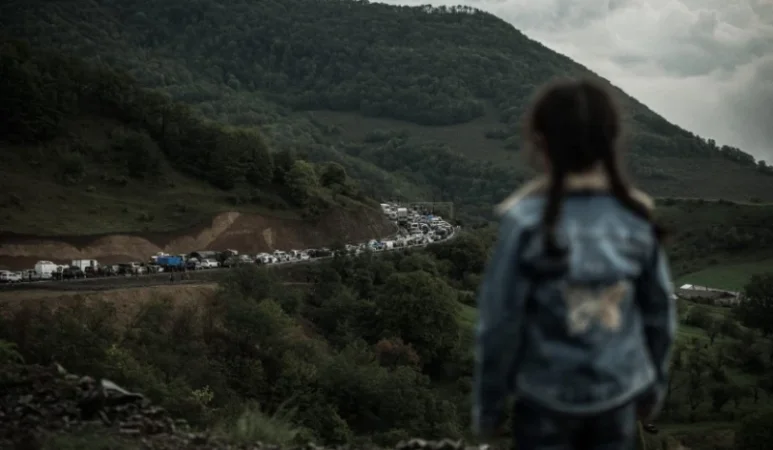
The international human rights organization Freedom House has presented a fact-finding report titled "Why Are There No Armenians in Nagorno-Karabakh?" The report specifically examines the situation faced by ethnic Armenians living in Nagorno-Karabakh, starting from the 2020 Second Nagorno-Karabakh War and concluding with Azerbaijan's military assault against Nagorno-Karabakh in September 2023 and its consequences.
Through an international fact-finding mission that included interviews with hundreds of witnesses and open-source research, the analysis sought to answer the question of why there are no ethnic Armenians in Nagorno-Karabakh as of May 2024.
The report documents how people in Nagorno-Karabakh have been deliberately subjected to regular attacks, terror, deprivation of basic rights and appropriate living conditions, and mass displacement. The evidence shows that the Azerbaijani state has acted with a methodically crafted strategy to empty Nagorno-Karabakh of its ethnic Armenian population, historical, and cultural presence.
The report also presents events related to the 2020 44-day war in Nagorno-Karabakh, Azerbaijan's nine-month blockade of Artsakh and humanitarian crisis, attacks and terror against the civilian population in Nagorno-Karabakh, the mission of Russian peacekeepers, the mass displacement of ethnic Armenians from Nagorno-Karabakh to Armenia, the destruction of evidence of the presence of Armenians in Nagorno-Karabakh, and Armenian cultural heritage.
The fact-finding mission recorded gross violations of human rights, serious breaches of international humanitarian law and international criminal law, as well as significant violations of mandatory norms of international law by Azerbaijani officials from 2020 to May 2024. These include significant breaches of life, health, food rights, freedom of movement, living standards, personal liberty and security, freedom from torture and other cruel treatment, the right to a fair trial, education, property rights, and cultural rights.
The analysis of the actions and rhetoric of Azerbaijani authorities, combined with the lived experiences of ethnic Armenians in Nagorno-Karabakh, provides substantive grounds to conclude that their forced displacement has been intentional. Facts indicate the existence of a systematic long-term program aimed at clearing Nagorno-Karabakh of its ethnic Armenian population. This policy has been achieved through regular actions that constitute gross violations of human rights, international humanitarian law, and international criminal law.
Gradually and methodically, the Azerbaijani state created living conditions designed either to lead to the gradual annihilation of the Armenian population or to make it impossible for them to remain and survive. The immediate aftermath of Azerbaijani officials' official declaration that the Nagorno-Karabakh issue has been "resolved" and "justice has been restored" further indicates premeditated intent.
The persistent disregard for international norms and ongoing violations, despite international condemnation, also points to the deliberate intention of the Azerbaijani government to repopulate the Armenian population.
Accordingly, the documented actions of Azerbaijan correspond to the criteria of ethnic cleansing understood in the context of the former Yugoslav conflict, carried out through extrajudicial killings, torture, arbitrary arrests and detentions, as well as restrictions on access to food and life-saving medications, forcibly displacing and relocating civil populations, deliberate military assaults or threats against civilians and residential areas, and indiscriminate destruction of property.
The fact-finding mission concluded that there is sufficient evidence to determine that these actions, along with other acts mentioned in the report, are also crimes under the Rome Statute of the International Criminal Court, including Article 7 (crimes against humanity) and Article 8 (war crimes) and correspond to the definition of displacement or forcible transfer of population.
These revelations, along with the lack of domestic prosecution in Azerbaijan, highlight the urgent need for international legal oversight and accountability, suggesting that the case should be referred to the ICC to ensure a thorough investigation and possible prosecution of those responsible for these horrific acts.
The report was prepared in collaboration with the International Partnership for Human Rights, the Democracy Development Foundation, the Helsinki Citizens Assembly of Vanadzor, the NGO Rights Defense Without Borders, the Law Development and Protection Foundation, and the human rights organization Truth Hounds.
Նմանատիպ հոդվածներ

Soldier Establishes Contact with Azerbaijani Intelligence Representative: Case of State Treason Uncovered in Armenia
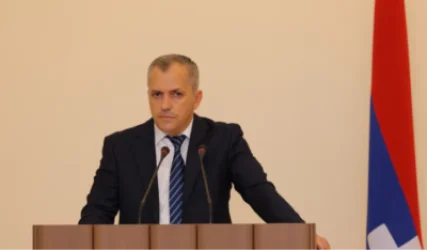
The Vehicle of the President of Artsakh Seized in Drug Trafficking Case
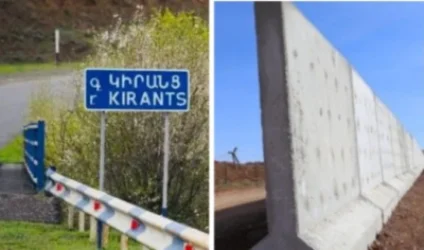
A Wall is Being Built Near the Alternative Road to Kiran

Ministry of Internal Affairs Comments on Publication Regarding 'Pashinyan's Motorcade Hitting a Citizen at Terrifying Speed'
Ավելին Politics բաժնից
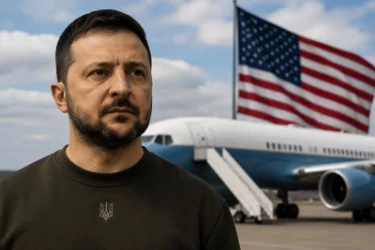
Զելենսկին հայտնել է, որ առաջիկա օրերին կմեկնի ԱՄՆ
ՏԵՍԱՆՅՈւԹ. Վարդևանյանը պահանջել է վերացնել Արթուր Սարգսյանի տնային կալանքը

Պուտինը Անվտանգության խորհրդի հետ քննարկել է սպառազինության սերիական արտադրության հարցերը