How Azerbaijan Conducts Targeted Disinformation Abroad Against Ruben Vardanyan
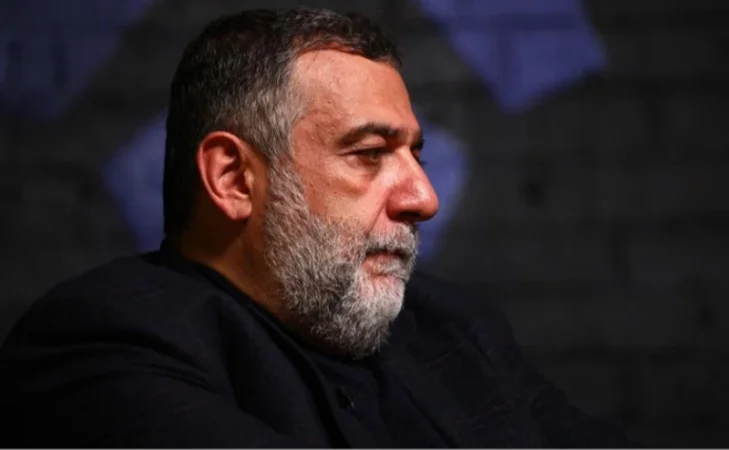
The authoritative Politico publication has revealed how Azerbaijan conducts targeted disinformation abroad against Armenian benefactor Ruben Vardanyan, who is unlawfully held in their prison. Below is a translation of the publication.
“We were taken aback when last week, POLITICO and undoubtedly other media outlets received an email from a PR company that described Russian influence operations in Europe. While this sounded enticing, it focused exclusively on one individual: as my colleague Gabriel Gavin noted, Russian-Armenian oligarch Ruben Vardanyan.
Interest in Ruben Vardanyan stems from the fact that he is currently held behind bars in Azerbaijan, a situation arising from the country’s attack on Nagorno-Karabakh to seize control, resulting in mass exodus of the Armenian population from the region. Despite the 56-year-old Vardanyan having earned his fortune in Moscow and found himself on the sanctions list for involvement in Russian infrastructural businesses, he renounced his Russian citizenship to enter politics and become the State Minister of Artsakh.
There were speculations regarding his connections with the Kremlin, yet ultimately, the Russian peacekeepers stationed in Nagorno-Karabakh allowed the Azerbaijanis to detain Vardanyan and other regional leaders.
Friends in high places in the West, such as Paul Polman, the former head of Unilever, and Noubar Afeyan, co-founder of Moderna, are among those actively advocating for Vardanyan’s and other Armenians’ release.
His office has also announced that Vardanyan has been nominated for the Nobel Peace Prize, although the chances of winning that coveted award are almost zero given his controversial past.
Reports from Azerbaijani media suggest there has been outrage over this nomination. And it is here that a PR campaign was launched, wherein certain members of the European Parliament expressed support for a motion urging the Nobel Committee to recognize Vardanyan as a Russian agent and exclude his candidacy as a potential laureate.
So what? According to a press release disseminated by the PR firm acting on behalf of the Center for Ukrainian Studies and Strategies, MEPs Viola von Cramon-Taubadel and Karen Melkonyan supported calls to exclude Vardanyan’s candidacy for that prestigious award. However, there’s only one problem: these politicians told POLITICO that they had not done such a thing, suggesting that their words were deliberately taken out of context and presented as support for Azerbaijan’s narratives.
Sharp denial: “I participated in this event on the basis that it addressed Russian disinformation,” said German MEP von Cramon-Taubadel. “It is shameful that this event is perhaps being used for Azerbaijani disinformation. I did not support any joint statement and would not participate if it had any connection to the Azerbaijani embassy,” the German legislator stated.
Danish legislator Melkonyan also told POLITICO that he neither signed any statement nor intended to do so.
The spokesman for the Brussels Press Club denied that the club had any involvement in organizing such lobbying events. “Anyone can book our club, just like any hotel in Brussels, and we host hundreds of events annually,” said a staff member responding to POLITICO’s phone inquiry. “But we are not the organizers of these events; we are simply hosting them,” he emphasized.
So, what is the Center for Ukrainian Studies and Strategies? Well, this is not entirely clear: the organization seems to have no operational website in English or Ukrainian, has only 88 likes on its Facebook page, and four out of the five links available on Google are pro-Azerbaijani articles written by the center’s founder, Igor Chalenko.
Concerned country: Azerbaijan is already criticized for its fossil fuel lobbying and influence networks in the West, but the apparent distortion of MEPs’ positions could signal a new rift between that country and the European Parliament.
Նմանատիպ հոդվածներ
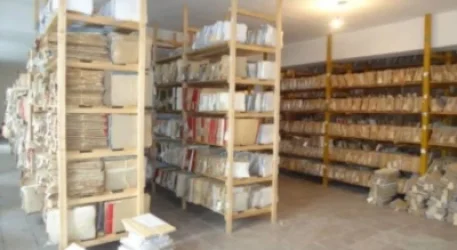
75% of Artsakh Archive with Valuable Documents Remains Under Enemy Control

Soldier Establishes Contact with Azerbaijani Intelligence Representative: Case of State Treason Uncovered in Armenia
Russia Responds to Grigoryan's Statement that Russia Handed Over Artsakh to Azerbaijan
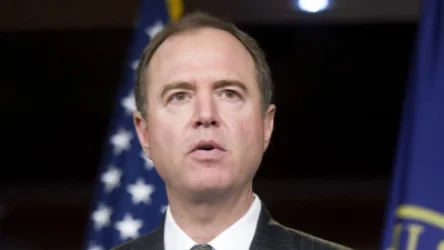
Schiff and 47 Congress Members Urge U.S. to Address Azerbaijani Atrocities
Ավելին Politics բաժնից
Զելենսկին հայտնել է, որ առաջիկա օրերին կմեկնի ԱՄՆ
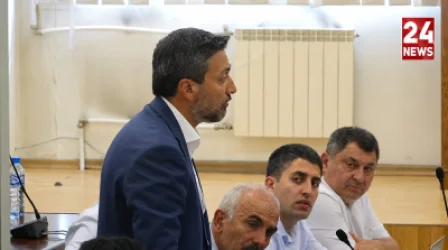
ՏԵՍԱՆՅՈւԹ. Վարդևանյանը պահանջել է վերացնել Արթուր Սարգսյանի տնային կալանքը
Պուտինը Անվտանգության խորհրդի հետ քննարկել է սպառազինության սերիական արտադրության հարցերը