Armenian Government Approves Ratification of Free Trade Agreement with Iran under EAEU
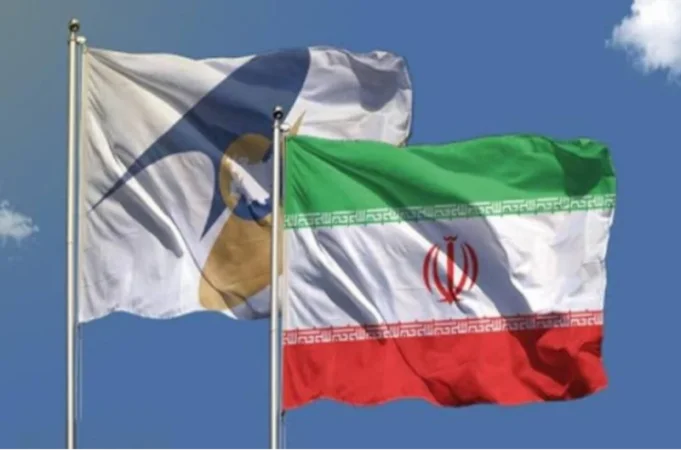
The Armenian government has approved the ratification of the "Free Trade Agreement between the Eurasian Economic Union and the Islamic Republic of Iran." This agreement is based on the principles outlined in the "Temporary Agreement on the establishment of a free trade zone between the Eurasian Economic Union and its member states on one side, and the Islamic Republic of Iran on the other side," which came into effect in 2019.
The main objectives of the agreement include ensuring duty-free access for a maximum range of products to the Iranian market, as well as utilizing the regulatory aspects of the temporary agreement within the framework of the free trade agreement as a basis for negotiations.
According to the proposal, the Armenian side has included primarily agricultural products that hold significant export interest for Armenia. These products also account for a substantial share of the export volumes from Armenia to Iran. Among these are mineral and carbonated waters, non-alcoholic beverages, chocolate, confectionery, and sheep meat, all of which will be subject to zero customs duties upon import into Iran.
In terms of industrial products, the Armenian side has proposed mainly mineral raw materials (copper and zinc ore, molybdenum ore), silver items, copper anodes, steam generators, electronic cigarettes, thermostats, etc. The entry into the Iranian market will also be liberalized for electricity and used batteries, with a reduction in customs duties for jewelry and pharmaceuticals imported into Iran.
For some sensitive agricultural products in the Armenian economy, it has been proposed to maintain and apply seasonal tariff quotas for importing into the EAEU territory, including for peppers, eggplants, watermelons, and melons, as well as for plastic products in the industrial sector.
For the first time, the Iranian side is committing to zeroing out import duties in its practice of international trade agreements. The supply of products from EAEU member states to Iran will occur without transitional periods.
Through the signing of this agreement, it is expected to significantly enhance the competitiveness of products from EAEU member states in the Iranian market, increase the volume of exports to Iran, and activate cooperation and investment collaborations.
Նմանատիպ հոդվածներ
Kremlin Comments on Pashinyan's Statements
Levon Ter-Petrosyan is Attempting to Unite the Clerical-Feudal Elite - Pashinyan

Artsakh Information Headquarters Responds to Statements from National Assembly
There Were Claims That a Citizen's Hand Was Amputated, But That's Not True; Three Fingers Were Removed, and If He Hadn't Picked Up the Special Device from the Ground, This Wouldn't Have Happened: Pashinyan
Ավելին Politics բաժնից
ՏԵՍԱՆՅՈՒԹ. Ես հիմա ամեն ինչ անում եմ, որ կանխենք երկորդ Արցախը. Սամվել Կարապետյան

Կվերադառնանք նախապատերազմյան կարգավիճակին. Ռուբիո
Կրկնակի նախազգուշացում. ԻՀՊԿ-ն հայտարարություն է տարածել