Kazakhstan's Deputy Prime Minister Considers Compliance with Sanctions Against Russia Beneficial
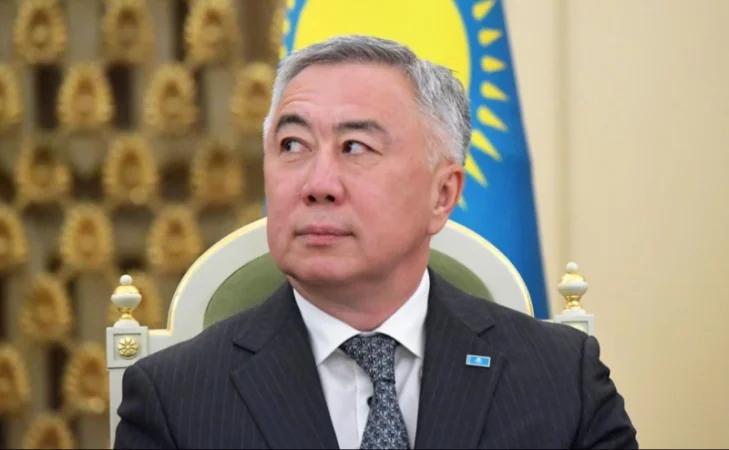
The Deputy Prime Minister of Kazakhstan has stated that Astana cannot withstand the potential pressure of sanctions, which is why the country is engaging in dialogue with the United States and the EU. Moscow condemns the anti-Russian sanctions and deems them illegal.
Astana does not support the anti-Russian sanctions but maintains them "as it is economically beneficial," said Kazakhstan's Deputy Prime Minister Serik Zhumangarin, as reported by Zakon.kz. "We are not members of the coalitions; we do not support this unilateral sanctions policy, but we will follow it because it is advantageous for us economically. We have a small economy and certainly cannot withstand the pressure of sanctions. That is why we are constantly in dialogue and have centers that work directly with the United States and the European Union," he noted.
The Deputy Prime Minister reminded that he leads such efforts as Deputy Prime Minister and that there is a working group in Kazakhstan dealing with issues related to sanctions policy. Among the other advantages of maintaining the sanctions policy, Zhumangarin pointed out that Astana always has the opportunity to receive warnings about what measures may be taken against certain companies.
At the same time, the Deputy Prime Minister indicated that many logistical and trade chains in Kazakhstan have already been disrupted due to the sanctions imposed by the U.S. and the EU against Russia. In November 2023, during a press briefing in Astana, EU Special Representative David O'Sullivan stated that Brussels respects the positions of countries, including Kazakhstan, that do not impose sanctions against Russia but comply with them.
Kazakhstan is interested in establishing trade relations with EU member states and attracting investments. "Therefore, neither the state nor companies operating in that country benefit from Kazakhstan becoming a bypass location for sanctions. This is a common challenge for all of us, and we highly appreciate Kazakhstan's willingness to jointly address this issue," he said.
Kazakh authorities have undertaken several measures, resulting in a significant reduction in the re-export of certain goods to Russia compared to April 2023, O'Sullivan noted. In April, Nikolai Dunaev, Vice President of "Opora Rossii," reported that money transfers from Russia to Kazakhstan were beginning to experience delays. According to him, payments are being "halted" for weeks, and some local banks refuse to work with Russia, including the Republic's largest bank, Halyk Bank. Russia condemns Western sanctions and considers them illegal. The Kremlin has warned that these sanctions will remain in place for many years, but Russia is finding ways to circumvent them.
Նմանատիպ հոդվածներ
Ավելին Politics բաժնից
Անշուշտ պատրաստ ենք դրան. Զախարովա
Զախարովան ներկայացրել է ՌԴ դիրքորոշումը` հնարավոր բանակցությունների վերաբերյալ
Փեզեշքիանը բացառել է. ԱՄՆ-ի միակողմանի պահանջներին չենք ենթարկվելու