Will the Lebanon-Israel War Begin in June?
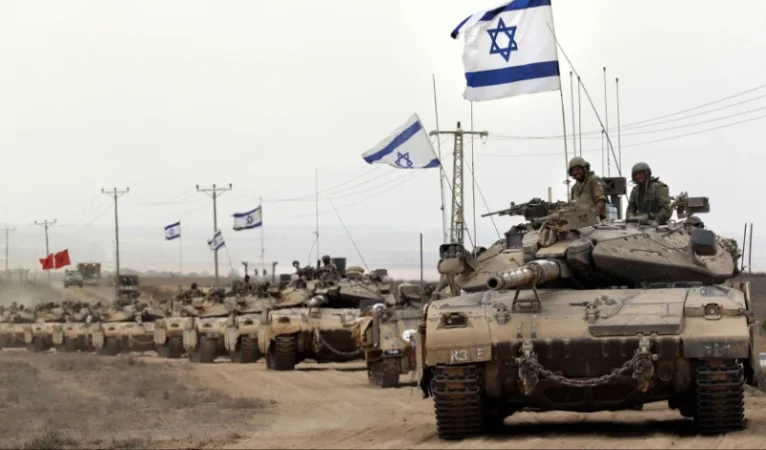
Will the Lebanon-Israel War Begin in June? Tensions are escalating along the Lebanon-Israel border between Israel and the Hezbollah group. British sources report that a major war could start in June.
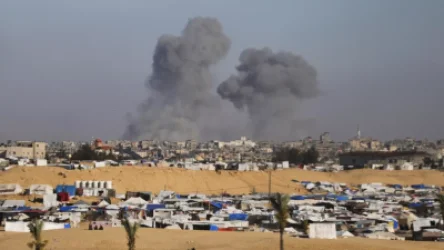
Hezbollah's rockets and drones have struck Israeli settlements and military sites, penetrating 10-15 kilometers into the territory. As a result, approximately 60,000 to 70,000 residents have already left their homes. Additionally, after recent gunfire in Israel, forest fires have erupted, a recurring issue for northern Israel that has been exacerbated by military operations. Reports indicate that the fires are approaching residential areas.
Hezbollah has been using new types of drones for attacks on Israel, specifically ones that launch guided missiles at Israeli soldiers and then turn into kamikaze drones. In response, Israel has deployed the latest types of precision weapons, targeting Hezbollah's military personnel, including representatives of its high command. Israel is also striking Lebanon, extensively using artillery and aviation, prompting nearly 100,000 Lebanese to flee border regions.
Hezbollah maintains a controlling political package in Lebanon. Despite having a modest influence over voters (holding 13 out of 129 seats in parliament), Hezbollah possesses the strongest military forces in the country, surpassing the Lebanese army. Additionally, Hezbollah relies on a coalition with Lebanon's most influential security forces, the Shia Amal party, and one of the two largest Christian parties, the Free Patriotic Movement.
On October 7th of last year, the Palestinian Hamas organization, which controls the Gaza Strip, launched an attack on Israel. Hamas demands the end of the Israeli blockade of the Gaza Strip and the occupation of other Palestinian territories that has persisted since 1967. The militants killed 300 soldiers and 900 civilians and took about 240 Israelis hostage before being neutralized and returning to Gaza. Subsequently, massive Israeli airstrikes and ground operations against Hamas in Gaza commenced. Since then, according to the Gaza Health Ministry, approximately 36,000 residents of the strip, mostly civilians, have died.
Hezbollah has consequently begun shelling Israeli settlements and military bases from Lebanon, effectively opening a second front (the northern front) against Israel. The aim is to pressure Israel to halt its operations on the southern front in Gaza.
Hamas, Hezbollah, and several other groups in Syria, Iraq, and Yemen are part of the Iranian-backed “Axis of Resistance,” a large coalition that heavily influences these countries. In response to the Israeli assault on Gaza, the Iranians, with the help of their allies, began to exert pressure on Israel and the US through coalition countries. Therefore, Hezbollah, in support of Hamas, initiated shelling on northern Israel, while the Houthis blocked the Red Sea with missile strikes, disrupting global trade and damaging the international standing of the US, which has failed to ensure the safety of ships in the region. Moreover, Iranian-backed militias occasionally shell American bases and Israeli territories from Syria, Iraq, and Yemen.
All of this constitutes elements of a major Middle Eastern war, unfolding on five fronts. The goal is for the Iranian-backed Axis of Resistance coalition to push back and weaken the influence of the US and Israel in the region.
Նմանատիպ հոդվածներ
Ավելին Military բաժնից

Աշխարհում միայն ԱՄՆ-ն կարող է լուծել հակամարտությունը. Ռուբիո
Կիևն արձագանքել է Բաքվում կայացած Ռուսաստանի և Գերմանիայի միջև գաղտնի բանակցություններին

Իրանում կարող են ի հայտ գալ միջուկային զենքից հրաժարվելու նոր շրջանակներ. Լավրով