Disagreements Between Russia and China Over Gas Prices: What China Demanded from Russia

Russian President Vladimir Putin was unable to reach an agreement with Chinese President Xi Jinping during his recent visit to Beijing regarding the construction of the "Power of Siberia-2" gas pipeline, sources familiar with the matter told the Financial Times.
According to them, this failure was primarily due to Beijing's demands concerning the future pricing of gas supplies. China sought to purchase gas from Russia at "heavily subsidized" internal Russian prices, which Moscow considered "unjustified," the FT sources claimed.
Beijing also indicated its intention to buy only a small portion of the 50 billion cubic meters annually that Moscow plans to supply through the "Power of Siberia-2." As negotiations on the pipeline have hit a deadlock, an unpublished report from one of Russia's major banks, which FT has seen, reveals that the pipeline has been removed from Gazprom’s baseline forecasts. This has led to a nearly 15% decrease in expected profits from the export monopoly by 2029, when the pipeline was projected to become operational.
Russia is already supplying gas to China at significant discounts. According to the macroeconomic forecast from the Russian Ministry of Economic Development, by 2027, Russian gas will be 28% cheaper for China than for consumers in Europe and Turkey. For instance, in 2024, the export price to the Chinese market will be $257 per 1000 cubic meters compared to $320.30 for European and Turkish markets. However, in the next three years, the price difference is expected to increase.
In 2025, the price for China will drop to $243.7, while for Europe and Turkey it will be $320.1; in 2026, it will be $233 and $320, and in 2027, $227.8 and $315.4 respectively.
Russia exports gas to China through the "Power of Siberia" pipeline, which has a maximum design capacity of 38 billion cubic meters per year. In 2023, the export volume through the pipeline reached 22.7 billion cubic meters. Gazprom expects that the "Power of Siberia" will reach its full export capacity by 2025.
Russia is also proposing to China the construction of the "Power of Siberia-2" pipeline, which would transport gas from the Yamal fields to the Chinese market. The pipeline is planned to be 3,550 km long, of which 950 km would pass through Mongolian territory. However, China is unwilling to invest in the new pipeline and is suggesting that Russia bear the costs of the multibillion-dollar project, as reported by The South China Morning Post, citing a source familiar with the situation in Moscow.
Moreover, Russia has no alternatives, as the actual loss of the European market leaves the country with no room to increase gas exports significantly. This is why, last year, Gazprom had already cut production by a quarter, marking the most significant reduction in the history of the state export monopoly.
Նմանատիպ հոդվածներ
Ավելին Politics բաժնից

Արդարադատության նախարարությունը լրացուցիչ 400 էլեկտրոնային թևնոցներ կգնի
ՁԱՅՆԱԳՐՈՒԹՅՈՒՆ. Էն կալյասկի հարցն էլ հաստատ կլուծվի, կտանք կտանես, ախպեր
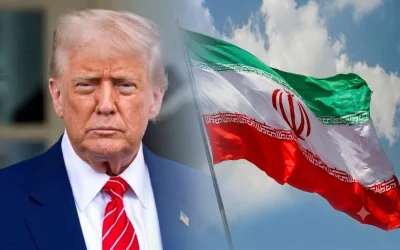
Թրամփը ֆինանսավորում է պահանջում Կոնգրեսից իրանական միջուկային ծրագրերի դեմ