Foreign Companies to Handle Armenian Passports: When Will Issues Be Resolved?
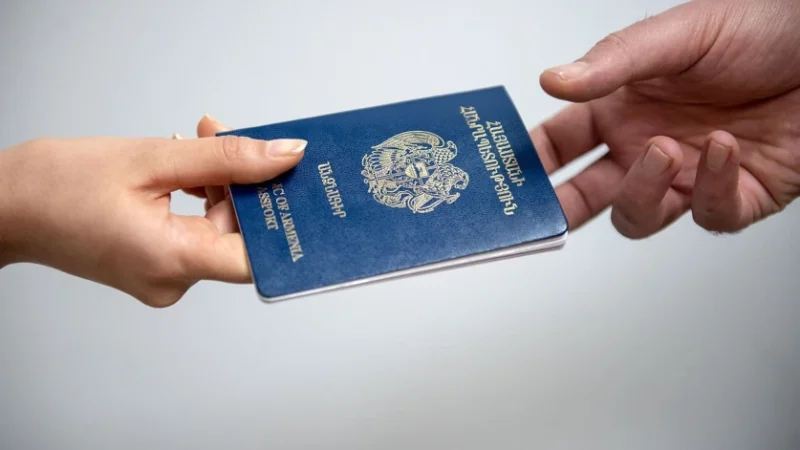
In two years, Armenia will have a passport system that operates without issues. Nelly Davtyan, the spokesperson for the Migration and Citizenship Service of the Ministry of Internal Affairs, communicated this in an interview with Sputnik Armenia, responding to ongoing complaints from citizens regarding the passport divisions.
"The passport system will be fully updated along with all its infrastructure. A new program for the implementation of identification cards and biometric passports will be carried out in collaboration with a leading private company from around the world," Davtyan stated.
According to her, the competition is expected to be announced at the end of 2024. Three companies (French and German) have already qualified to participate in the upcoming tender. Furthermore, two of the applicants are consortiums, meaning they consist of two or more companies that have expressed willingness to provide services in Armenia.
As emphasized by Nelly Davtyan, all applicants have at least two years of experience in providing passport services in at least two countries, ranging from paperwork to issuing finished passports. The company winning the tender at the end of this year will be given one year to modernize the entire passport infrastructure in Armenia, after which all passport services will be fully provided by the selected private company. Moreover, the printing of the new biometric passports will take place in Armenia.
Government officials hope to launch the new system by the end of 2025, provided everything goes smoothly. "We always mention the deadlines with some reservations because the process is inherently unpredictable. If at any stage an applicant decides to contest a decision made by the evaluation committee, it could affect the timelines. For instance, a suspension process could occur until a court reaches a decision. However, if we look at it from an optimistic scenario, by the end of 2025, we will have new passports," clarified the spokesperson for the Migration and Citizenship Service.
In a pessimistic scenario, if the court decides to suspend the process, the modernization of the passport system could be delayed for as long as the judicial wrangling continues. A prerequisite has been set for foreign companies participating in the tender, mandating that there should be at least one service in each region and at least three in Yerevan.
Once a contract is signed with the winning company of the state tender, new biometric passports compliant with international standards should be issued and circulated within a maximum of one year. The spokesperson had difficulty providing a clear answer regarding how the old passport samples, which are still being issued by passport divisions, will be phased out, as this issue is still under discussion with concerns about organizing the process as smoothly as possible.
Regarding the numerous problems currently present in the passport divisions, the Migration and Citizenship Service does not deny that these issues exist and are quite significant. Ignoring the unfulfilled promise of biometric passports, the main challenge today can be considered the sharply increased demand for ID cards. As a result, citizens often apply to the passport division for ID cards, facing endless queues one day, and a malfunctioning printing machine the next.
"We encountered a situation where different sectors, through different legal regulations, made it mandatory for various target groups to have an ID card. For example, in civil litigation, lawyers, attorneys, and judges must have an ID card to utilize the platform. Regarding the regulation of online prescriptions, it became mandatory for pharmacy staff and healthcare workers. In the case of declaring income, all public service sectors must have a valid identification card to fill out the declaration. These overlaps have resulted in our system, which is already quite old and has limited capacity, causing issues under such overload conditions," the spokesperson elaborated.
Due to the overload, even paid services in the passport divisions are currently being reduced. For instance, contracts for one-day issuance of ID cards are not being signed with citizens at present to avoid non-fulfillment of contractual obligations. Applications with three-day or longer processing times are served within the established timelines. If any problems arise in a department, they try to resolve them within one day, assures our interlocutor.
Նմանատիպ հոդվածներ

The Night Was Hot: A Resident Relays What the Camera Recorded at a Yerevan Building Entrance

State Registration of Real Estate in Cadastre Will Not Be Conducted Without a Certificate of No Debts for Electricity and Gas

Temporary Ban on Exporting Carp Fry from Armenia Extended by 6 Months
When is Medical Insurance Required for Armenian Citizens Entering Georgia?
Ավելին Society բաժնից

Տոննաներով թափել ենք ծառերի տակ. տնտեսվարողները տարակուսած են

Անահիտ Մանասյանն անդրադարձել է կանանց իրավունքների մարտահրավերներին

Զինծառայողներ են զոհվել․ Հնդկաստանում ռազմական ինքնաթիռ է կործանվել