Current Leadership of Armenia Should Consider How History Will Remember Them: Arshinova
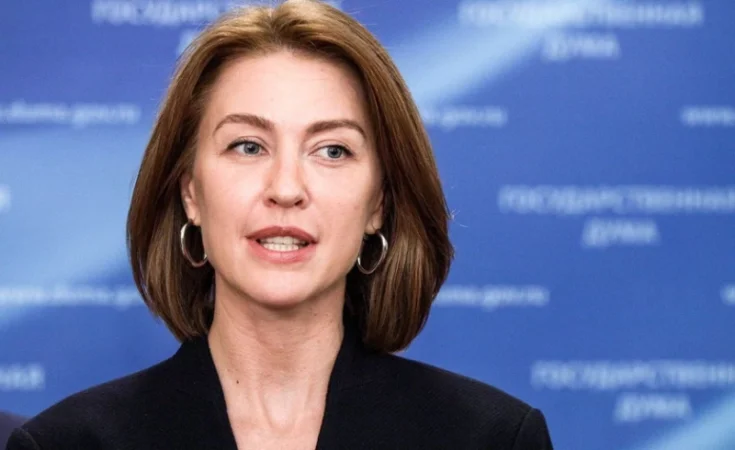
In Yerevan, it is clearer where people’s ears are directed from. This was stated in an interview with Tert.am by Alena Arshinova, deputy of the State Duma of Russia and vice-chairman of the "United Russia" faction.
"The people themselves should choose and determine. It is good when the people trust their leader, but when such processes occur, many questions arise. These questions emerge in the internal political life and if a leader cannot answer these questions, they at least should take responsibility to voice this," noted the interviewee.
Referring to statements from Turkey and Azerbaijan regarding the potential sending of troops to Armenia in support of the Armenian government, the deputy emphasized: "I consider interference in internal affairs unacceptable, as I mentioned, the people should decide. With the examples of colored revolutions, if anyone intervenes, it becomes very evident, and European officials do not hide their ambitions, distributing pastries in revolutionary squares to achieve their ultimate goal."
Arshinova addressed the exacerbation of anti-Russian sentiments fostered by the Armenian authorities, stating: "It is very sad and unfortunate that the situation is like this since Armenians and Russians are the most friendly peoples. Armenia and Russia are closely connected, and it is unacceptable to draw lines between our peoples and attempt to carry out provocations."
According to her, civil activity in Armenian-Russian relations can currently help in those areas where there are shortcomings, to rectify them and strengthen existing ties. "If the leader of the country does not feel the sentiments of the people, discussing the situation is unnecessary. Armenia is not the only example here; leaders of former USSR states are trying to transform everything and steer in a distant direction. The most understandable and simple approach is a model of border cooperation; it is not necessary to artificially undermine relations between countries," she emphasized.
Arshinova concluded by stating that the current Armenian leadership and other countries that have adopted similar policies should reflect on how they will be remembered in history.
Նմանատիպ հոդվածներ

Government Responds to Claims of Surrendering Defensive Positions in Gegharkunik

Prime Minister Clarifies Why Police Prevented Catholicos from Entering Sardarapat
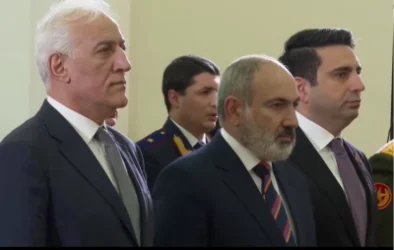
Nikol Pashinyan Did Not Visit Sardarapat: Awards Ceremony at Baghramyan 26
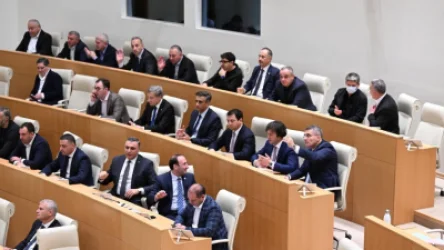
Georgian Parliament Overrides President's Veto on Foreign Influence Transparency Law
Ավելին Politics բաժնից
ՏԵՍԱՆՅՈՒԹ. «Մեծ ընկերոջ» օգնությունը չհասավ, երբ կարիքն ունեինք. Արարատ Միրզոյան
Օրենսդրական նոր փոփոխություններ՝ Արտաքին հետախուզության ծառայության գործունեության ոլորտում
ՏԵՍԱՆՅՈՒԹ. Վիճաբանություն` Արթուր Խաչատրյանի և Վահագն Ալեքսանյանի միջև