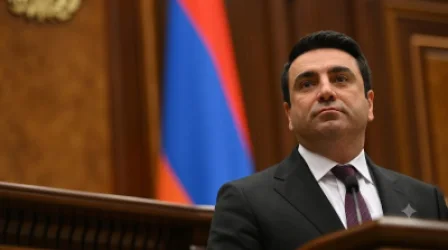
Cleric Responds to Pashinyan

Ararat priest Poghosyan has responded to Nikol Pashinyan's statements regarding King Pap. “No more ecclesiastical atrocities will occur; there will be no more poisoning, suffocation, exile, or persecution... In recent years, certain political figures have accused the Armenian Church of conspiring to assassinate King Pap. Those who entertain this hypothesis have no connection to either Armenian or world historiography and history. Unlike our contemporary rulers, King Pap deeply understood the role of the Armenian Church and ecclesiastical authority in the liberation struggle (History of Armenia, Vol. II, Book One, Yerevan, 2018, p. 121). Our modern historiographic thought, combining information from both Armenian and foreign historians, confirms that the king’s assassination was solely motivated by his foreign policy, particularly concerning Armenian-Persian and Armenian-Roman relations (History of Armenia, Vol. II, Book One, Yerevan, 2018, p. 138). The king's political strategies aimed at normalizing Armenian-Persian relations ultimately provoked discontent from the Roman Empire. It was the Roman Empire that conspired to orchestrate the assassination of King Pap (History of Armenia, Vol. II, Book One, Yerevan, 2018, pp. 139-143), and the Church played no role or participation in this matter. This is science, a fact, and no one can strike this factual mechanism with a fist from any podium.
And if facts can be disregarded, then we do not rule out that in the near future, the Armenian Church may also be accused of the invention of written language, the creation of translation and original literature, printing, architecture, medicine, calendar studies, the liberation struggle, and the haiduk (freedom fighter) movement... Yes, we agree that not only will King Pap not be killed, but neither will Tirdat the Great, Khosrov Kotak, Arshak II, Vramshapuh...
However, it is essential to announce against the windmills that there will be no more ecclesiastical atrocities; there will be no more poisoning, suffocation, exile, or persecution...
P.S. During this period of inquiry, we encourage those who define ordination as a factor of influence, or the so-called agents, to undertake free training courses at the Gevorgian Spiritual Seminary. Here, they will follow a course on the history of the Armenian Church, which has fought for the independence of the homeland and the Church for millennia, learning about the lives and activities of St. Gregory the Illuminator, St. Nerses the Great, St. Sahak Parthev, St. Mesrop Mashtots, St. Hovhannes Odznetsu, St. Gregory of Narek, St. Nerses Shnorhali, St. Gregory of Tatev, Voskian Yerevantsi, Simeon Yerevantsi, Nerses of Ashtarak, Krimyan Hayrik, Gevorg Sureniants, and Vazgen I. This is what needs to be prioritized for the re-training of teachers and primarily for those directing this re-training.”
Նմանատիպ հոդվածներ
Ավելին Politics բաժնից

ՔՊ-ն հանգիստ ձևավորում է իշխանությունը. Գալյանը բացատրեց՝ ինչու
Փոխըմբռնումը երկկողմանի գործընթաց է․ Մասուդ Փեզեշքիան
Ադրբեջանը կրկին մեղադրել է Հայաստանին անհետ կորածների վերաբերյալ տեղեկություններ չտրամադրելու մեջ