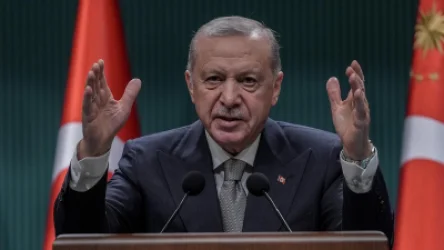
US and EU May Respond with Sanctions to Georgia's Foreign Agents Law
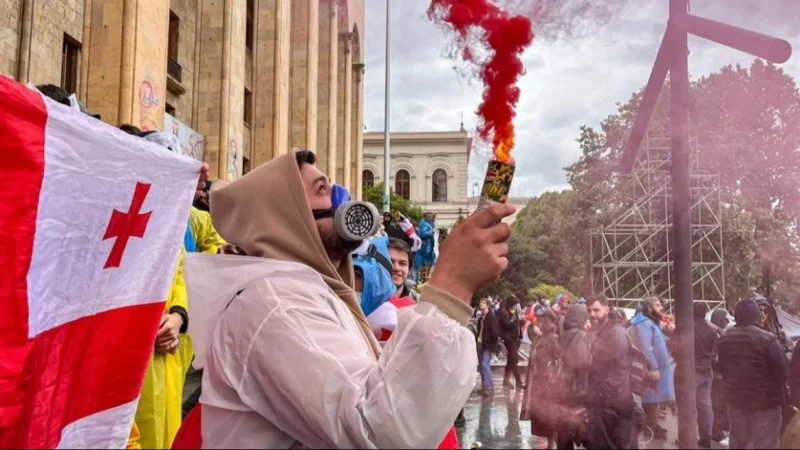
May 28 could be a pivotal day for Georgia's relations with the West. On this day, the ruling "Georgian Dream" party's parliamentary majority plans to overturn President Salome Zourabichvili's veto on the "Transparency of Foreign Influence" law. Authorities are not willing to make concessions despite increasingly stern warnings from European capitals and Washington.
The position of Georgia's Western partners regarding the "Transparency of Foreign Influence" law has been clearly articulated by the Venice Commission on Constitutional Law, which examined the document at the special request of the leadership of the Council of Europe. The commission has called on the Georgian authorities to annul the previously adopted law following three readings, as an "urgent legal measure," and not to bypass President Salome Zourabichvili's veto. Such a call is virtually unprecedented in the practice of the Venice Commission, which was established by the Council of Europe in 1990.
The Venice Commission's conclusion states that the proposed law "would harm pluralism and democracy in Georgia," specifically violating citizens' freedoms of assembly and expression, as well as rights related to communication, personal life, and both civic and human rights. As noted by the commission's members, the initiative would create conditions for discrimination against citizens.
Additionally, the Commission points out that the discussion of the bill "proceeded in a non-democratic manner." This refers to instances of opposition lawmakers being removed from parliamentary plenary sessions or hearings in the legal affairs committee. The twenty-page conclusion of the Commission pays significant attention to the "public outcry" against the law, including protests and rallies, as well as violent clashes with police and special units of the Ministry of Internal Affairs.
Almost immediately after the publication of the Venice Commission's conclusions, Council of Europe Secretary General Maria Peichinovic-Buric urged Georgian authorities to align the law with European standards. This, in essence, meant a demand to annul the document since it had already been passed in three readings, making any changes legally impossible.
Previously, similar calls had been made to Tbilisi by figures including French President Emmanuel Macron, German Chancellor Olaf Scholz, the UK Foreign Office, European Council President Charles Michel, and European Commission President Ursula von der Leyen.
The matter may not be limited to mere words. US Congressman Joe Wilson has drafted a bill aimed at imposing sanctions on the members of parliament from the "Georgian Dream" party. Additionally, it is possible that during the meeting scheduled for May 27 in Brussels, foreign ministers of the EU will instruct the European Commission to introduce visa and financial sanctions against the developers and adopters of the controversial law. Options may also include suspending the visa-free regime for Georgian citizens with the EU and halting the financing of various projects in Georgia through the European Bank for Reconstruction and Development.
It should be recalled that since last December, Georgia has been granted candidate status for EU membership.
Նմանատիպ հոդվածներ


Ավելին Politics բաժնից
Ալիևը նշել է՝ որ դեպքում կարելի է խաղաղության հասնել․ Ադրբեջանի նախագահը՝ Հայաստանի մասին
Հորմուզի նեղուցի հարցում ընդունված որոշումը մնալու է անփոփոխ․ ԱԳՆ
Մալիի պաշտպանության նախարար Ժենե Աֆրիկեն սպանվել է