Global Media Highlights 'Tavush for the Homeland' Movement
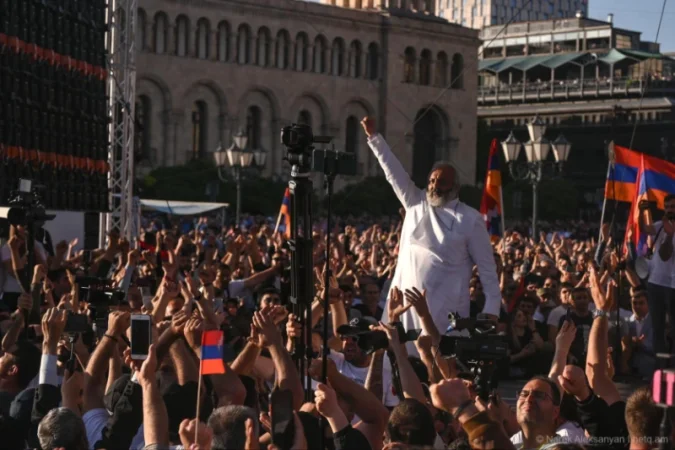
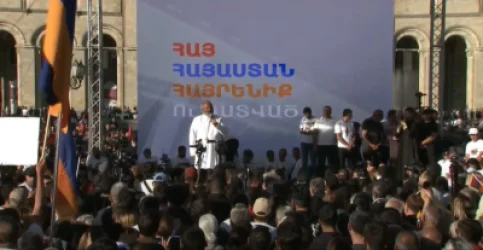
Global media have reported on the ‘Tavush for the Homeland’ movement led by Archbishop Tigran Galstanyan of the Tavush region, whose participants reached Yerevan yesterday and held a large rally at Republic Square.
“On Thursday, a large crowd of protesters gathered in Armenia’s capital Yerevan, demanding the resignation of Prime Minister Nikol Pashinyan due to the decision to cede several border villages to neighboring and long-standing adversary Azerbaijan,” reported Reuters. The agency noted that the decision has angered many in Armenia.
Deutsche Welle highlighted that for the first time in Armenia’s post-Soviet history, a protest has taken place under the leadership of the Church. “The opposition movement plans to achieve its objective through ongoing civil disobedience actions across the country, which will begin on the morning of May 10. The rally, which experts claim was the largest since the protests following the 2021 elections, has not yet caused serious concern within the government. However, Archbishop Tigran Galstanyan, who leads the current action, has urged supporters to remain calm and prepare for a long struggle,” the service reported.
“Archbishop Tigran’s movement was a spontaneous reaction to the return of four villages on the northern border to Azerbaijan. This area is part of Tavush, which the priest oversees. The four villages are just a pretext, an attempt to mobilize and unite all forces dissatisfied with the Armenian authorities’ one-sided concessions in negotiations with Azerbaijan that yield nothing in return, while increasingly resorting to criminal methods in domestic politics, pursuing opponents through criminal prosecution,” reported the BBC.
The news outlet noted that during Prime Minister Pashinyan's six years in power, many in the country have been dissatisfied with his policies following the defeat in the 2020 war and the exodus of Armenians from Nagorno-Karabakh.
“However, all previous attempts to unify the opposition have failed, as contradictory and unpopular political figures — former presidents or figures associated with them — were proposed as leaders. In contrast, Archbishop Tigran is a relatively young (52 years old) and charismatic figure. His name is not tarnished by the political and corruption scandals of recent years. He is also not considered pro-Russian (an undesirable position in today's Armenia). He has studied and served in Great Britain and Canada. This disturbs Pashinyan’s party, and media close to him have launched a campaign to discredit the movement, accusing him of working for Russian intelligence and having ties to the mafia without providing evidence,” the BBC added.
“But apart from supporters of the government and its fierce opponents, there are many people in Armenia who are disappointed with both. For them, Archbishop Tigran’s movement and slogans about a ‘spiritual Armenia’ are another form of populism, lacking a concrete platform, realistic goals, and serious analysis of the situation. In their view, it differs from Pashinyan’s populism only by its more conservative aesthetic,” the BBC further reported.
Politico noted that the Archbishop initially insisted that protesters were only asking for an end to the border demarcation process, but later demanded that Pashinyan resign, asserting that he has completely failed to govern the country. “This demarcation process is illegal. Our movement started from the affected villages, but in the long term, it threatens all of Armenia,” Archbishop Tigran told French outlet Le Monde.
“Noting that the movement is not religious, Galstanyan criticized the one-sided concessions, pointing out that the Constitution stipulates a referendum for territorial changes and condemned the fact that these concessions were made under the threat from Baku,” the newspaper reported.
“When Nikol Pashinyan came to see the villagers two months ago, he plainly told them, ‘If we do not go through with this demarcation process, we will have war with Azerbaijan again.’ This is a way to place the responsibility for the conflict on them,” the priest said indignantly.
Նմանատիպ հոդվածներ
Ավելին Politics բաժնից
Իրանը չի փոխում իր դիրքորոշումը․ Թեհրանի կոշտ արձագանքը
«Մեր ձայնը գողացվել է». «Միասնության թևեր»-ը վիճարկում է ընտրությունների արդյունքները
Հարավային Կովկասի ապագային վերաբերող հարցերը՝ Բաքվի և Թբիլիսիի սեղանին