The Sharp Restriction of the Mir Payment System in Armenia Could Negatively Affect the Economy, Economist Says

The almost unanimous decision of Armenian banks to stop operations with Russian Mir payment system cards from March 30 could negatively impact the country's economy. Agasi Tavadyan, an economist, expressed this opinion in an interview with Armenpress.
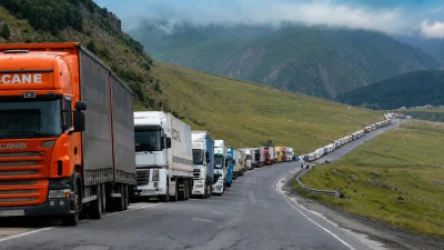
The specialist believes this could create difficulties, particularly for Armenian entrepreneurs engaged in exports, and could also alter the internal trade balance somewhat. 'The Central Bank of Armenia has officially announced that, assessing their risks, banks have independently decided to abandon the Mir system. Currently, it is known that all banks, except for VTB, will not process transactions made through this system. This can undoubtedly deal a serious blow to Armenian entrepreneurs, considering that 43 percent of the products exported from our country are sent to Russia. Most of these are finished products with high added value,' he noted.
'The problem is that Russia is currently cut off from the world financial systems—international cards do not work there. This will create additional complications for Armenian entrepreneurs, leading to an increase in ancillary costs. Consequently, many businesspeople who primarily operate in the Russian market will have to give up services from other banks and resort to VTB bank, which processes transactions through the Mir system,' our interlocutor added.
Agasi Tavadyan pointed out that in 2023, when Armenia recorded an economic growth of 8.7 percent, only the banking sector showed negative indicators in the country's GDP. In the economist's assessment, this is also due to the fact that in 2023, capital outflow from Armenia increased by 55 percent, while inflow slowed down, causing banking sector volumes to shrink by about 6 percent.
'This year, a trend of contraction is also observed. This means that the risks in the banking system are high for 2024. Especially considering that most of the capital from the banking system has been directed to the construction sector. The second risk is that many Armenian entrepreneurs cooperate with Russia, and this could create complications for them in terms of capital outflow. Essentially, our banking system should have calculated these risks; however, Armenian banks have found themselves between a rock and a hard place. On one side, they are forced to refuse servicing the Mir cards, which will lead to the aforementioned issues, while on the other side, continued servicing of these cards is fraught with the application of sanctions.
Agasi Tavadyan emphasized that the sharp restriction on servicing Mir cards in Armenia could also affect internal trade. 'In 2022, approximately 130,000 relocants came to Armenia. Now, a significant number of them have returned to Russia or moved to other countries where certain conditions are better. The situation created in Armenia will complicate transactions (i.e., money transfers from account to account and any transactions carried out through bank accounts or cards) and could lead to additional capital outflow from relocants. We will live and see how events unfold,' concluded Agasi Tavadyan.
Նմանատիպ հոդվածներ

Ավելին Economy բաժնից

Հայաստանում բնակարանային աջակցության նոր ծրագրի շահառու կարող է դառնալ 643 բազմազավակ ընտանիք
Իրանը հայտարարել է, որ շարունակում է նավթի արտահանումը՝ չնայած ԱՄՆ պատժամիջոցների խստացմանը
ԵՄ-ն ռուսական ձկան ներմուծման արգելքը հանել է պատժամիջոցների նոր փաթեթից