Countering Pashinyan: 28 Internationally Recognized Universities Operate in Armenia
As of March 18, 2024, the National Center for Quality Assurance in Vocational Education (NQA) has accredited 28 universities in Armenia, including all state universities and 7 private ones. The accreditation results recognized by NQA are acknowledged within the European Higher Education Area and are equivalent to those provided by recognized European accreditation bodies. This was communicated in response to a written inquiry from NEWS.am by Ruben Topchyan, the director of NQA and a candidate of physical and mathematical sciences.
He clarified that the laws of the Republic of Armenia on higher and postgraduate vocational education and the 'State Accreditation Procedure for Educational Institutions Implementing Vocational Educational Programs in the Republic of Armenia' do not distinguish the term 'international accreditation.' It is noteworthy that, according to the accreditation procedures in Armenia, educational institutions have the right to apply for accreditation with organizations listed in the European Quality Assurance Register (EQAR).
The NQA has been evaluated twice by the European Association for Quality Assurance in Higher Education (ENQA), becoming a full member and getting registered in EQAR. The accreditation results from NQA are recognized within the European Higher Education Area and are equivalent to those provided by other recognized European accreditation bodies. Furthermore, it is emphasized that Armenia's accreditation criteria align with European standards and guidelines (ESG).
In answer to the question regarding how many universities have undergone accreditation with the involvement of international experts and what advantages this involvement provides for universities, NQA's director responded: 'According to the conditions for international recognition by NQA, at least one expert from abroad is mandatorily included in the accreditation expert group. Thus, during the accreditation processes of all universities, international experts from developed European and regional countries have been engaged, considering the specificities of the universities' educational programs.' All reports from NQA's accreditation experts include evaluations and recommendations from international experts concerning possible improvements for the university's integration into the European Higher Education Area. The state accreditation register is linked to the Database of External Quality Assurance Results (DEQAR). Records regarding accreditation results in the state register are simultaneously entered into DEQAR, ensuring the public availability and transparency of NQA's expert reports and the decisions of the Accreditation Commission at the international level (all expert reports are translated and available in both Armenian and English).'
NQA has emphasized that accreditations granted by its institution, as well as those from bodies that are members of ENQA, are internationally recognized. Therefore, it can be stated that there are currently 28 internationally recognized universities operating in Armenia. This fact was also confirmed in response to NEWS.am's inquiry by the Committee on Education and Science.
'You can find information on the accreditation of higher educational institutions and their individual educational programs, including those by foreign accrediting organizations and their validity period, from the state accreditation register posted on the official website of the National Center for Quality Assurance in Vocational Education (NQA) (https://register.anqa.am/),' stated Levon Faroyan, the Secretary General of the Committee on Education and Science.
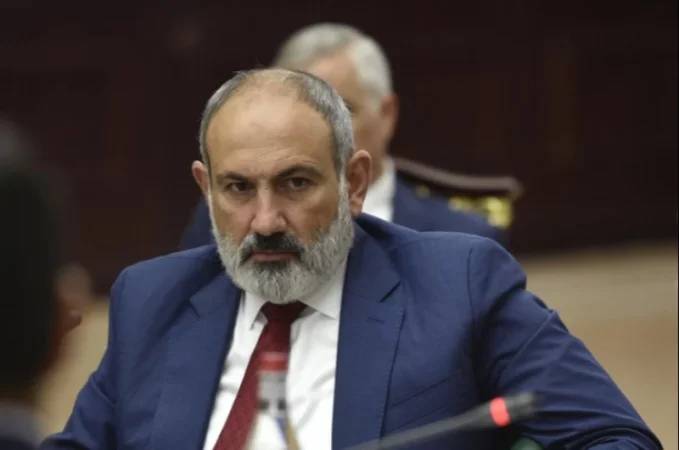
It is noteworthy that on March 16, during a speech at the meeting of the Economic Policy Council in Dilijan, Nikol Pashinyan claimed that there are no universities in Armenia with international accreditation, and that is why the academic town project is of significant importance. 'Today, there is not a single university in Armenia that is accredited by European standards and receives a license for university activities. This is a fundamental statement. In this context, the academic town is an extremely important and strategic project for us,' he said.
Moreover, international accreditation of universities is a regularly conducted process, of which announcements are continuously made. For instance, only in March, prior to Pashinyan's statement, information was published regarding at least two universities' international accreditations in Armenia. Specifically, on March 6, the American University of Armenia received a reconfirmation of its international accreditation (originally obtained in 2006) for the maximum term from the WASC Senior College and University Commission (WSCUC), an American higher education commission. Notably, the AUA is the only university in the region accredited by the WSCUC.
On March 7, a ceremony was held at Yerevan State Medical University to award the international accreditation certificate for the university's trilingual educational programs in 'Medical Activity' by the National Center for Educational Quality Enhancement (NCEQE), attended by the Minister of Education, Science, Culture, and Sport of the Republic of Armenia, Zhanna Andreasyan, as well as representatives from the World Federation for Medical Education (WFME).
Նմանատիպ հոդվածներ

MoD Denies Reports of Azerbaijani Troop Buildup at Tavush Border
US Responds to Publication on Prospects of Relations with Yerevan
Roads, Pipelines, and Cables from Azerbaijan Must Enter Turkey via Armenia: Pashinyan

Why Official Yerevan Pretends Not to Understand the Issue is a Major Question: Zakharova
Ավելին Politics բաժնից
Ադրբեջանի տարածքային ամբողջականությունը ճանաչել ենք․ Փաշինյան

ԿԳՄՍ նախարարը՝ մինչև 16 տարեկան երեխաների մուտքը սոցիալական ցանցեր սահմանափակելու մասին

Հունաստանի կոպիտ արձագանքը՝ Թուրքիայի ընդունած նոր օրենքին