Home Canning of Food Products is Dangerous
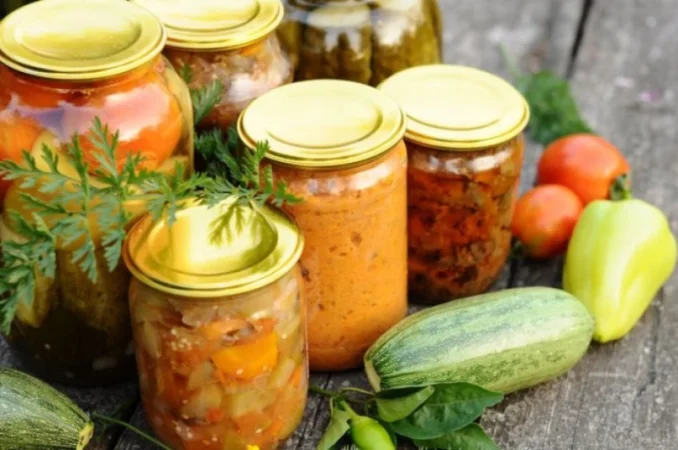
The Inspection Body for Food Safety of Armenia urges the public to avoid home canning of food products, based on alarming statistics related to food poisoning from homemade preserves.
Improperly prepared canned goods in unsanitary conditions may contain various bacteria and microorganisms that can cause poisoning. This is particularly likely if the food has not undergone appropriate thermal processing or has not been sufficiently frozen to kill bacteria.
The most common poisoning from homemade preserves is botulism, which can occur when the Clostridium botulinum bacteria become active due to inadequate thermal processing, and the toxin produced can lead to serious health issues and even death. Food contaminated with botulism may not change in taste, smell, color, or appearance, and symptoms typically manifest 12 to 36 hours after exposure.
According to statistics, there were 13 recorded cases of botulism poisoning in 2022 (two of which were fatal), and in the first half of 2023, there were 10 cases, with 80% of the incidents occurring in rural areas.
Therefore, we once again urge the public to avoid home canning of food products. However, if you still decide to use homemade preserves, please follow these simple guidelines:
- Do not purchase canned goods from the market or unknown individuals.
- Before using, subject the contents to thermal processing by boiling for 20-25 minutes.
- If there is any unpleasant odor or taste after opening the jar, do not consume it.
- Seek medical attention immediately at the first sign of symptoms indicative of poisoning.
If preparing preserves at home is essential for you, remember and adhere to the following safety norms:
- Use trusted recipes from reliable sources (official guidelines), do not alter ingredient proportions or methods without sufficient experience, and follow recommended cooking times and temperatures.
- Maintain cleanliness and hygiene: wash your hands and clean the surfaces you will be working on before starting.
- Properly sterilize equipment and securely seal glass containers. This can be done by immersing them in boiling water for a few minutes or placing them in a high-temperature oven.
- Use only fresh, high-quality ingredients, ensure they are not damaged, and properly process them before placing them in glass jars. After putting them in jars, ensure the lids are tightly secured to prevent contamination after canning.
- Store the jars in a cool, dry, dark place after canning.
By following these guidelines, you can minimize the risks of food poisoning from preserves. While commercial canning is generally safer, always check the expiration date, storage conditions, and usage recommendations after opening any canned product you purchase.
If you notice any violations or discrepancies related to commercial preserves, call the Food Safety Inspection Body's hotline at 118a.
Նմանատիպ հոդվածներ

Details of the Investigation into the Murder of an Informatics College Student

If the Situation Does Not Change in the Near Future, Surveillance Devices Will Be Used: Police

The Hearing on the Case of 15 Soldiers Who Died in Barracks Begins Amid Disputes: Sanctions Imposed on Parents

Training Assembly Dates for Reservists in Armenia Announced
Ավելին Society բաժնից

«Նուբարաշեն» ՔԿՀ-ում երեք կալանավոր հացադուլի մեջ են մինչև 38 օր․ ՍիվիլՆեթ

Նոր ռազմավարությամբ կվերափոխվեն դատաիրավական և հակակոռուպցիոն ոլորտները

Բաքվից Հայաստան է ուղարկվել 490 տոննա ռուսական ցորեն