The Real Results of the 'Academic City' Program Will Become Visible in the Future: Zhanna Andreasyan
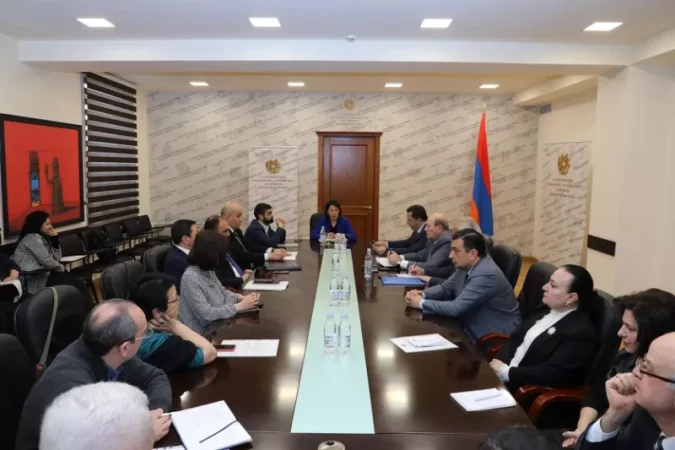
The Minister of Education, Science, Culture, and Sports of Armenia, Zhanna Andreasyan, held a working discussion with the rectors of state higher education institutions.
During the meeting, the progress of the 'Academic City' project, the new scholarship policy, and several sector-related issues were discussed. Also present at the meeting was the Chairman of the Higher Education and Science Committee of the Ministry of Education, Science, Culture, and Sports, Sargis Hayotsyan.
The Minister stated that based on the feedback received from all institutions, working groups have been formed within the framework of the integration process of state universities and research organizations, with the involvement of sector organizations. The Minister expressed gratitude to the rectors for their willingness, high participation, and the proposals put forward, stating, “During this period, universities are making concrete proposals and are actively participating in the discussions of the working groups, which is very important. Currently, work is underway to develop the concept of the general plan for the academic city. According to our partners' assessments, the designated area is sufficient to achieve the functional possibilities we envision.”
She emphasized that many layers are being studied and thorough work is underway.
The National University of Architecture and Construction of Armenia is also involved in the design work of the academic city, acting as a partner of the German gmp International GmbH Architects and Engineers, the company designing the main plan of the academic city. Rector Yeghiazar Vardanyan noted that the concept of the academic city is being developed at a professional high level. “The project is being discussed in great detail, considering every detail. In our reality, no urban planning project has perhaps been discussed with such detail by specialists. This project is very interesting and educational for us as a university implementing educational programs in the field of architecture and construction.”
Regarding substantive issues, the Minister reported that the Ministry received 36 conceptual proposals from higher education institutions in specific directions, and international partners will also be involved in their development and summarization, in addition to experienced sector organizations and universities in Armenia.
During the meeting, the rectors presented their observations and proposals. Zhanna Andreasyan informed that the slides of the academic city will be presented to the rectors soon, and there will be meetings at each university to present and discuss the details of the program.
The discussion also addressed the process of university consolidation. Minister Andreasyan underlined that the process is quite complex and multilayered, but any step within its framework is being conducted with the direct involvement of higher education institutions. “We will have separate discussions with each university to present the project. This is a complex and long-term process that cannot be effectively implemented without collaborated work with universities. In this regard, the Ministry, the Committee for Higher Education and Science, and the universities are partners united by the enhancement of the quality of higher education and science, which implies strengthening the research component in universities. We value effective cooperation with the academic community and believe that dialogue should lead to a situation where the 'Academic City' program is viewed not only as a government or ministry initiative but, first and foremost, as a university program. The real fruits of the program will become visible in the future; its real beneficiaries are the school students currently studying, for whom we wish to provide access to quality and competitive higher education,” noted Zhanna Andreasyan.
During the meeting, the new scholarship policy of the Armenian government was also discussed, which aims to enhance the attractiveness of admission to critical and priority specialties and to address the issue of filling the most sought-after job positions. Each academic year, a list of priority specialties is established, and high scholarships are granted to those admitted in these specialties. Zhanna Andreasyan urged the leaders of higher education institutions to submit proposals for adding to the list of specialties.
Rectors also expressed their concerns during the meeting, related to new criteria for scientific activities, the procurement process, approval of specialties and slots, and several current issues.
Նմանատիպ հոդվածներ


Ավելին Society բաժնից
«Նուբարաշեն» ՔԿՀ-ում երեք կալանավոր հացադուլի մեջ են մինչև 38 օր․ ՍիվիլՆեթ
Նոր ռազմավարությամբ կվերափոխվեն դատաիրավական և հակակոռուպցիոն ոլորտները

Բաքվից Հայաստան է ուղարկվել 490 տոննա ռուսական ցորեն